





Fashion has always been more than fabric stitched together. It is identity, aspiration, culture, rebellion, and sometimes contradiction. In the last two decades, however, fashion has also become a moral question. As headlines reveal polluted rivers dyed blue by denim factories, garment workers earning unlivable wages, and mountains of discarded clothing piling up in landfills, consumers are increasingly confronted with a dilemma: Is ethical fashion worth the extra cost?
Ethical fashion—sometimes labeled sustainable, responsible, or conscious fashion—often comes with higher price tags. A T-shirt that costs $8 at a fast-fashion retailer may cost $40 or more from an ethical brand. Jeans can jump from $30 to $200. At first glance, the math feels uncomfortable. Why pay more for something that looks similar?
Yet the question is not simply about price. It is about value, systems, long-term impact, and the kind of world we are quietly voting for with every purchase. This article explores ethical fashion from multiple angles—economic, environmental, social, psychological, and cultural—to determine whether that extra cost is a luxury, a burden, or an investment.
1. What Exactly Is Ethical Fashion?
Before judging whether ethical fashion is “worth it,” we need clarity on what the term actually means.
Ethical fashion is not a single standard or certification. Instead, it is an umbrella concept that generally includes one or more of the following principles:
Core Elements of Ethical Fashion
- Fair labor practices
Workers are paid living wages, work in safe conditions, and are not subjected to exploitation, child labor, or excessive hours. - Environmental responsibility
Reduced water use, non-toxic dyes, lower carbon emissions, and responsible waste management. - Sustainable materials
Organic cotton, linen, hemp, recycled fibers, plant-based leathers, or innovative low-impact textiles. - Transparency and traceability
Brands disclose where and how garments are made. - Animal welfare
Avoidance of fur, exotic skins, or cruel treatment of animals.
Some ethical brands focus heavily on labor rights but use conventional fabrics. Others emphasize eco-materials but manufacture at small scale. Very few brands score perfectly across every dimension, and ethical fashion exists on a spectrum rather than as a binary label.
2. Why Ethical Fashion Costs More
The higher price of ethical fashion is not arbitrary. It reflects a fundamentally different cost structure from fast fashion.
The Real Cost Breakdown
1. Labor costs
Paying garment workers a living wage dramatically increases production expenses. In many fast-fashion supply chains, labor accounts for only 1–3% of a garment’s retail price. Ethical brands deliberately increase that share.
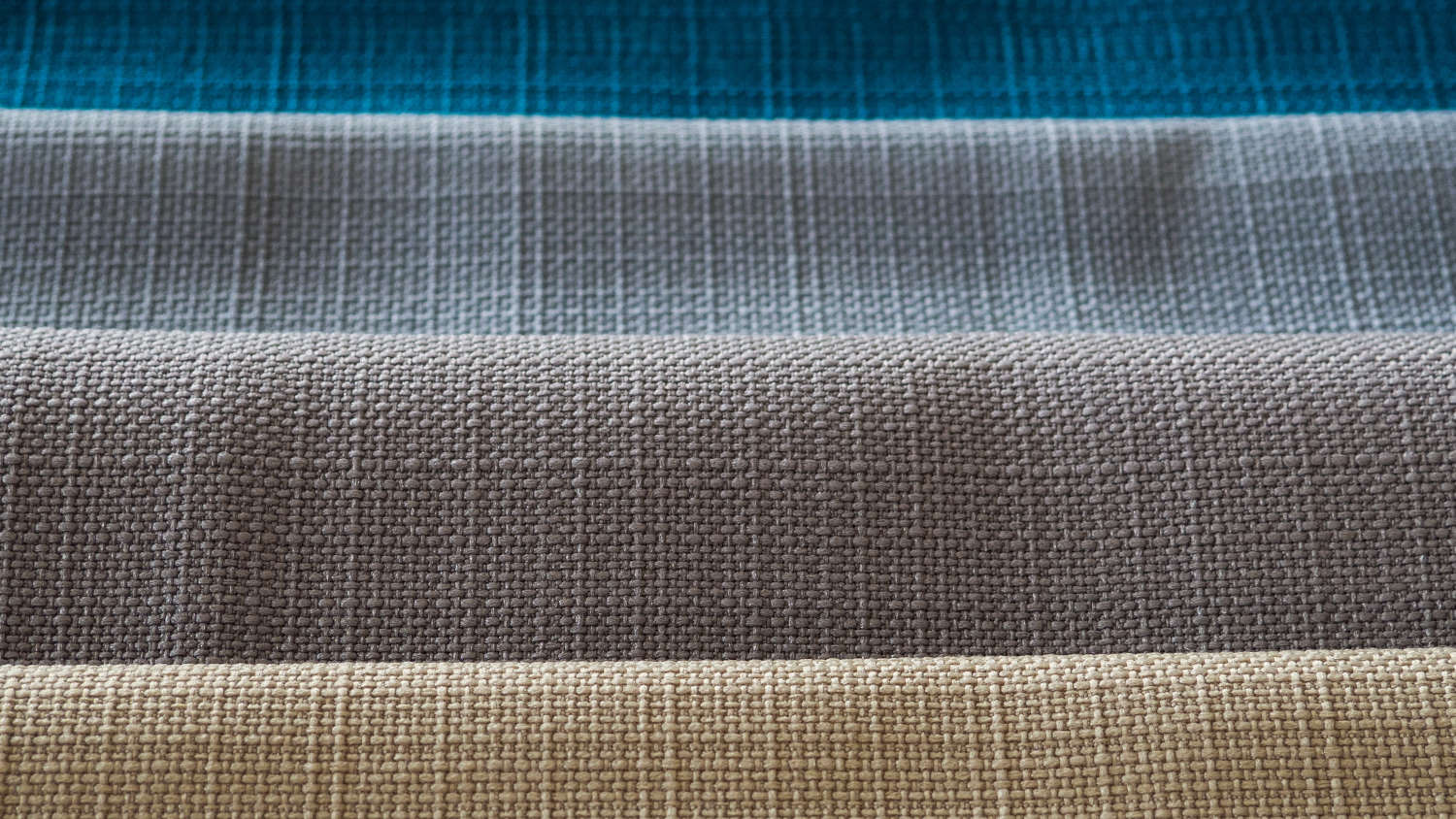
2. Materials
Organic or recycled materials often cost significantly more than conventional synthetics or chemically intensive cotton.
3. Smaller production runs
Ethical brands rarely produce millions of identical items. Smaller runs mean higher per-unit costs and less negotiating power with factories.
4. Safer processes
Non-toxic dyes, wastewater treatment, and reduced emissions require investment in better technology.
5. Transparency and compliance
Audits, certifications, and traceability systems are expensive but essential for accountability.
In short, ethical fashion costs more because it internalizes costs that fast fashion externalizes—to workers, communities, ecosystems, and future generations.
3. The Hidden Price of Cheap Clothing
Fast fashion’s appeal lies in affordability and speed. But cheap clothing is never truly cheap.
Environmental Consequences
- The fashion industry is one of the world’s largest polluters.
- Synthetic fabrics shed microplastics into oceans with every wash.
- Textile dyeing contaminates freshwater sources.
- Clothing waste fills landfills at alarming rates, often taking decades or centuries to decompose.
Human Costs
- Garment workers in many countries earn far below living wages.
- Unsafe factories have caused deadly accidents.
- Long working hours and lack of labor rights are widespread.
Psychological Costs
Fast fashion fuels a cycle of constant dissatisfaction. Trends change weekly, encouraging consumers to view clothing as disposable. This creates:
- Decision fatigue
- Closet clutter
- A sense of “having nothing to wear” despite owning too much
Ethical fashion challenges this system by slowing things down—sometimes uncomfortably so.
4. Quality Over Quantity: The Longevity Argument
One of the strongest arguments in favor of ethical fashion is durability.
Cost Per Wear
A $40 ethically made T-shirt worn 100 times costs $0.40 per wear.
An $8 fast-fashion T-shirt worn 10 times costs $0.80 per wear.
Over time, higher-quality garments often cost less, not more.
Construction and Design
Ethical brands often prioritize:
- Reinforced seams
- Better fabric weight
- Timeless silhouettes
- Thoughtful details
These choices extend the life of a garment and reduce the need for constant replacement.
5. Ethics and Economics: Is Ethical Fashion Elitist?
A common critique is that ethical fashion is only accessible to wealthy consumers. This concern is valid—and complex.
The Accessibility Problem
- Ethical brands are often priced beyond the reach of many households.
- Sustainable options are limited in some regions.
- Marketing sometimes frames ethical fashion as a lifestyle choice rather than a systemic issue.
A Systemic Perspective
The problem is not that ethical fashion costs too much. The problem is that fast fashion costs too little because its true costs are hidden.
Expecting individuals—especially those with limited income—to shoulder responsibility for systemic failures is unfair. Ethical fashion should not be a moral purity test.
Practical Middle Ground
Ethical fashion does not require:
- Buying only premium brands
- Replacing an entire wardrobe
- Spending more money overall
It can include:
- Buying fewer items
- Shopping secondhand
- Repairing clothing
- Supporting ethical brands occasionally rather than exclusively
6. The Psychology of Ethical Consumption
Why does buying ethical fashion feel different?
Emotional Durability
Research in consumer psychology suggests that ethically made products often deliver higher emotional satisfaction. Wearers report:
- Pride in their choices
- Stronger attachment to garments
- Reduced guilt and anxiety
This emotional durability can be just as important as physical durability.
Identity and Values
Clothing communicates values, whether consciously or not. Ethical fashion allows consumers to align outward appearance with internal beliefs, reducing cognitive dissonance.
7. Transparency, Trust, and Greenwashing
Not all brands claiming to be ethical truly are.
The Rise of Greenwashing
Greenwashing occurs when brands exaggerate or fabricate sustainability claims. Common tactics include:
- Vague language (“eco-friendly,” “conscious”)
- Highlighting one small sustainable initiative while ignoring major issues
- Using imagery of nature without substantive action
Navigating the Noise
Ethical fashion requires informed skepticism. Consumers increasingly look for:
- Clear supply chain information
- Specific data rather than marketing slogans
- Consistency across collections
Transparency is not perfection—it is honesty.
8. Innovation: Ethical Fashion as a Design Laboratory
Ethical fashion is often portrayed as dull or restrictive. In reality, it is one of the most innovative areas of the industry.
Material Innovation
- Mushroom-based leather alternatives
- Fibers made from agricultural waste
- Lab-grown materials
- Closed-loop recycling systems
Design Innovation
Constraints often fuel creativity. Ethical designers experiment with:
- Zero-waste pattern cutting
- Modular garments
- Multi-season functionality
- Repairable and adaptable designs
Ethical fashion is not about going backward—it is about reimagining what fashion can be.
9. Cultural Shifts and the Slow Fashion Movement
Ethical fashion is part of a broader cultural movement toward slowness and intentionality.
From Trend Cycles to Timelessness
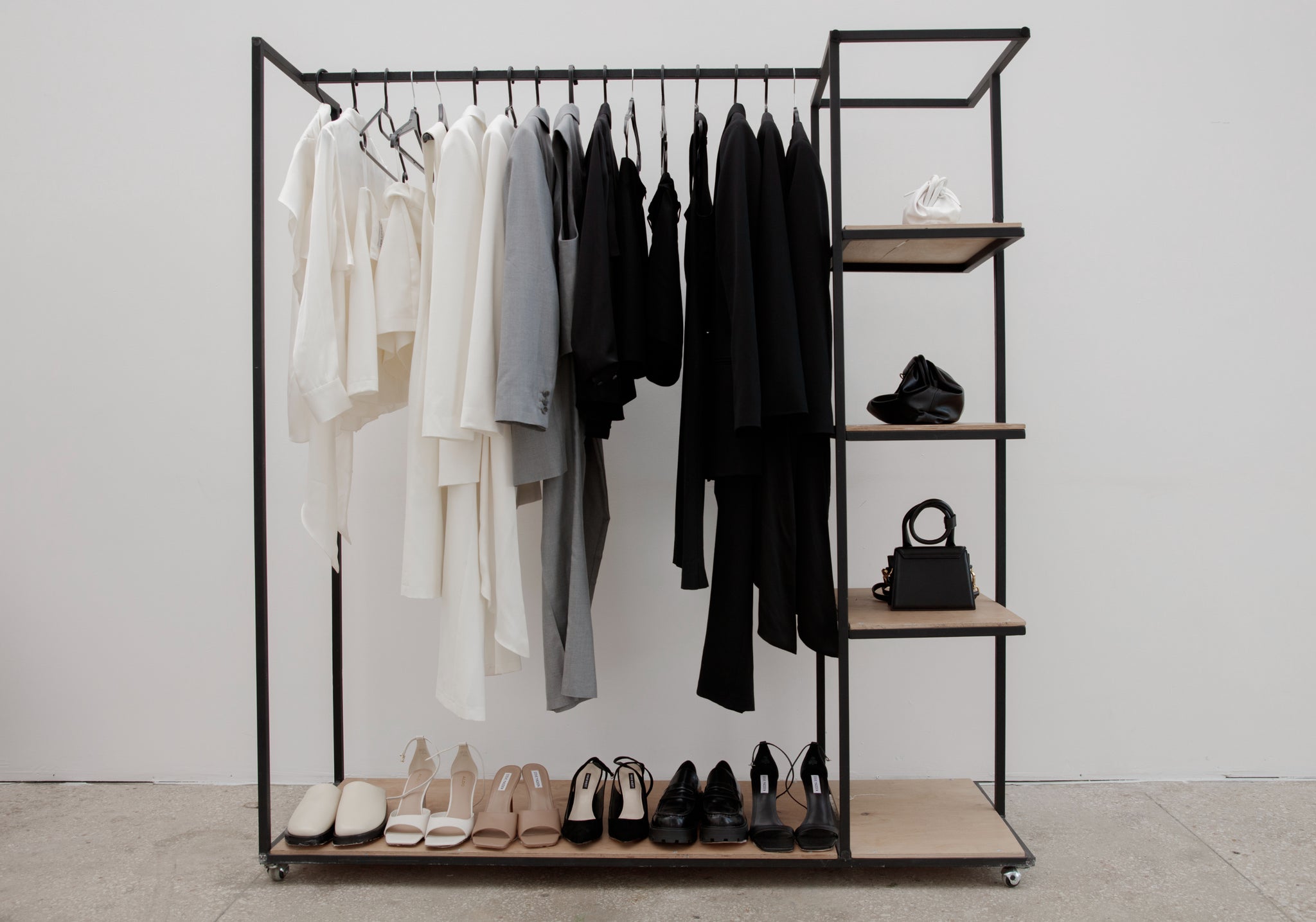
Instead of chasing micro-trends, slow fashion emphasizes:
- Personal style
- Longevity
- Craftsmanship
- Storytelling
This shift challenges the idea that novelty equals value.
Relearning How to Wear Clothes
Slow fashion invites consumers to:
- Repeat outfits unapologetically
- Style creatively
- Repair rather than replace
- Build wardrobes gradually
These habits reshape the relationship between people and clothing.
10. Ethical Fashion and Global Inequality
Ethical fashion also forces uncomfortable conversations about global power structures.
Who Bears the Burden?
For decades, consumers in wealthier nations have benefited from cheap labor in poorer regions. Ethical fashion asks whether affordability should come at the expense of dignity elsewhere.
Beyond Charity
Ethical fashion is not about “saving” workers. It is about fair exchange, respect, and economic justice.
Paying more for clothing is not generosity—it is paying the true cost.
11. Does Ethical Fashion Actually Make a Difference?
Skeptics argue that individual purchases cannot change a massive industry. They are partly right.
The Limits of Individual Action
- One ethical purchase will not dismantle fast fashion.
- Structural change requires policy, regulation, and corporate accountability.
The Power of Collective Behavior
However, consumer demand influences:
- Brand strategies
- Investor priorities
- Market narratives
Ethical fashion has already reshaped industry conversations, pushing sustainability from niche concern to mainstream topic.
Change is rarely instant, but it is cumulative.
12. Rethinking “Extra Cost”
Perhaps the most important question is whether ethical fashion truly costs extra—or whether fast fashion is artificially cheap.
A Reframed Question
Instead of asking:
“Why is ethical fashion so expensive?”
We might ask:
“Why have we become accustomed to clothing being so cheap?”
When we consider environmental cleanup, healthcare costs, labor exploitation, and waste management, ethical fashion begins to look less like a luxury and more like a correction.
13. Practical Ways to Engage with Ethical Fashion
Ethical fashion is not an all-or-nothing commitment.
Realistic Approaches
- Buy fewer, better pieces
- Prioritize ethical basics
- Shop secondhand or vintage
- Support local designers
- Learn basic clothing repair
- Ask brands better questions
Ethics in fashion is a journey, not a destination.
14. The Future of Ethical Fashion
As technology evolves and consumer awareness grows, ethical fashion is likely to become more accessible.
Emerging Trends
- Improved recycling infrastructure
- Digital transparency tools
- Regulation around labor and emissions
- Broader size inclusivity
- Lower costs through innovation
The goal is not to make ethical fashion exclusive, but to make unethical fashion obsolete.
15. So, Is Ethical Fashion Worth the Extra Cost?
The answer depends on how we define “worth.”
If worth means immediate affordability, ethical fashion often falls short.
If worth means long-term value, human dignity, environmental responsibility, and emotional satisfaction, ethical fashion offers returns that fast fashion cannot.
Ethical fashion is not perfect, complete, or easy. But it represents a shift—from consumption without consequence to choice with awareness.
In the end, the extra cost is not just about money. It is about attention, intention, and the willingness to slow down in a world that profits from speed.
And that may be the most radical fashion statement of all.