





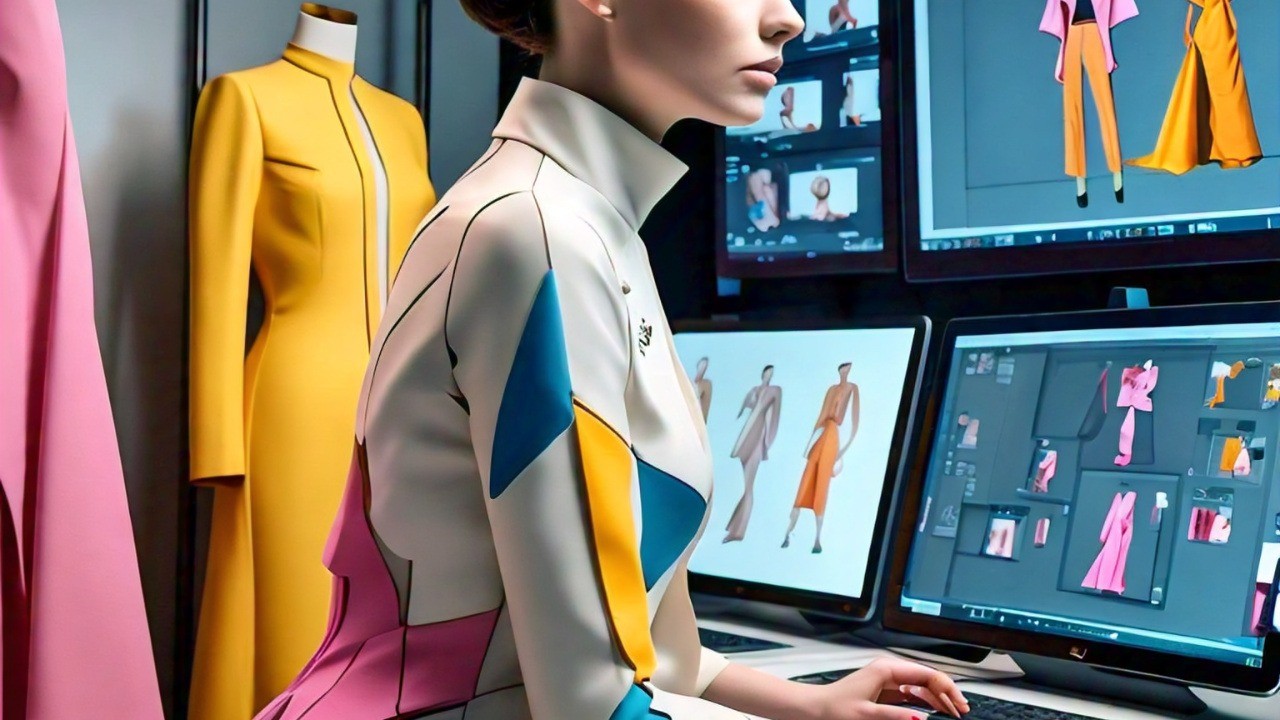

Fashion is one of the most vibrant, expressive, and culturally significant industries in the world. From haute couture in Paris to streetwear in Tokyo, fashion defines identity, lifestyle, and even social movements. But with the rise of artificial intelligence (AI), a question increasingly buzzes through boardrooms, studios, and even Instagram threads: Will AI replace fashion designers soon? This question is loaded, provocative, and complex. To answer it, we need to explore the evolution of fashion, the capabilities of AI, the relationship between creativity and technology, and what the future may hold for human designers.
The Evolution of Fashion Design
Fashion design has always been a blend of art and practicality. Centuries ago, tailors and dressmakers were skilled artisans, handcrafting garments from sketches and textiles. With the industrial revolution came mechanization, allowing mass production but still relying heavily on human creativity for aesthetic decisions. In the 20th century, fashion designers became cultural icons, from Coco Chanel redefining elegance to Alexander McQueen pushing the boundaries of theatricality.
The creative process of fashion design is multifaceted. It involves trend forecasting, conceptualization, sketching, fabric selection, pattern making, garment construction, and styling. Designers do not just create clothing; they craft stories, convey emotion, and reflect society’s zeitgeist. Fashion is inherently human, tied to emotion, intuition, and cultural context.
However, technology has always influenced fashion. CAD (computer-aided design) revolutionized the way designers work, making sketches, patterning, and virtual fittings faster and more accurate. Now, AI is poised to become the next disruptive force.
What AI Can Do in Fashion
AI has grown from simple automation to sophisticated creativity. In fashion, AI applications can be divided into several areas:
- Trend Prediction
AI algorithms can analyze millions of social media posts, runway images, and e-commerce data to forecast trends. These algorithms can detect color palettes, silhouettes, fabrics, and patterns likely to become popular, often faster than traditional trend forecasters. For instance, AI can predict that pastel oversized jackets will dominate the next season, or that sustainability-themed fabrics will gain traction. - Design Generation
AI-powered tools can generate clothing designs from scratch. By learning from massive datasets of existing designs, AI can propose new combinations of colors, cuts, and textures. Designers can use these suggestions as inspiration or even directly incorporate them into collections. Some AI systems can generate sketches, 3D models, or even ready-to-manufacture patterns. - Virtual Fittings and Personalization
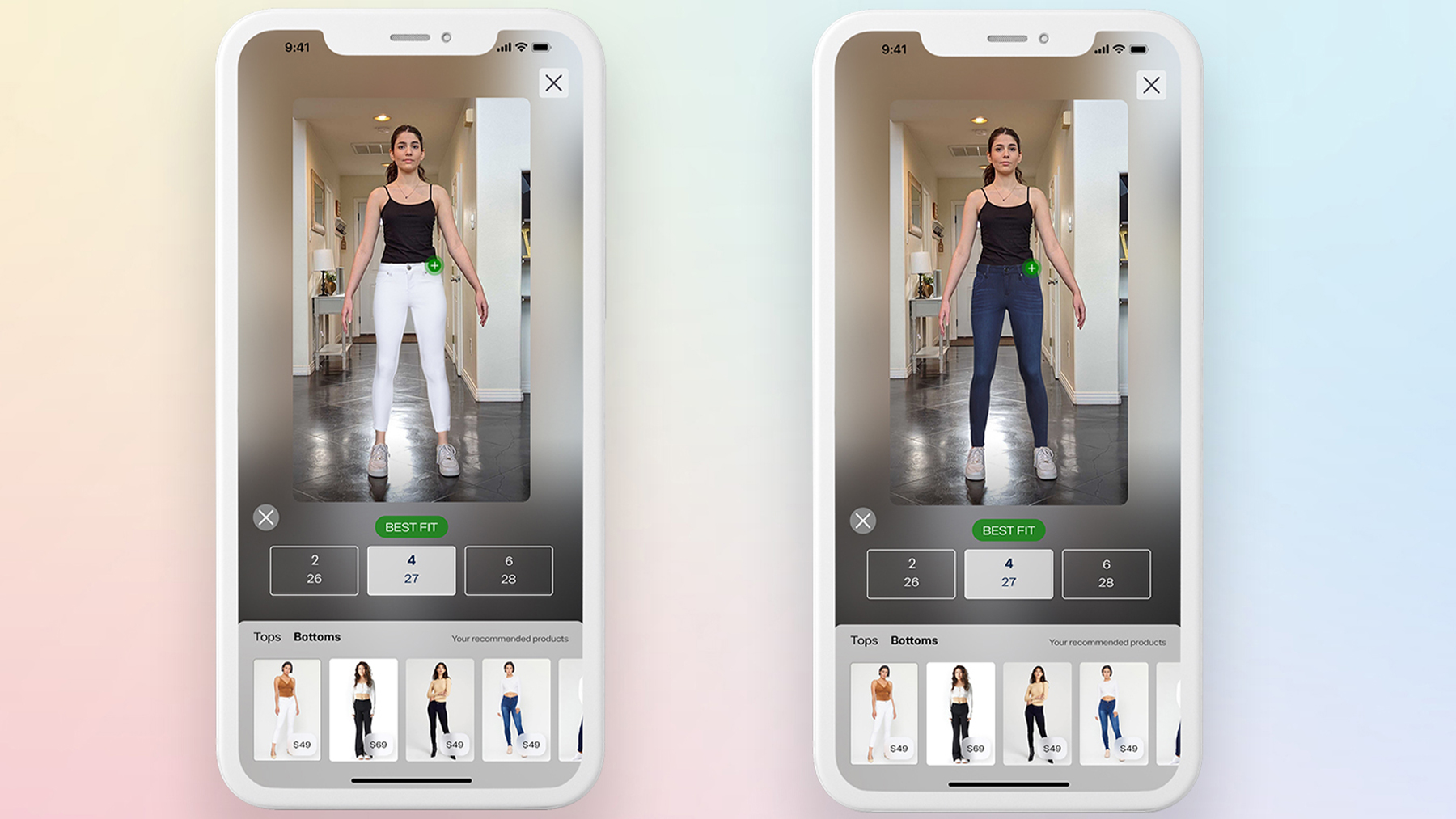
AI can simulate how a garment will look and fit on different body types without creating physical samples. It can also provide personalized recommendations for customers, creating a tailored shopping experience. This allows brands to reduce waste and accelerate production cycles. - Supply Chain and Production Optimization
AI can predict demand, optimize inventory, and even guide automated manufacturing processes. While this is more logistical than creative, it has a direct impact on what designers can realistically produce and how they interact with the market.
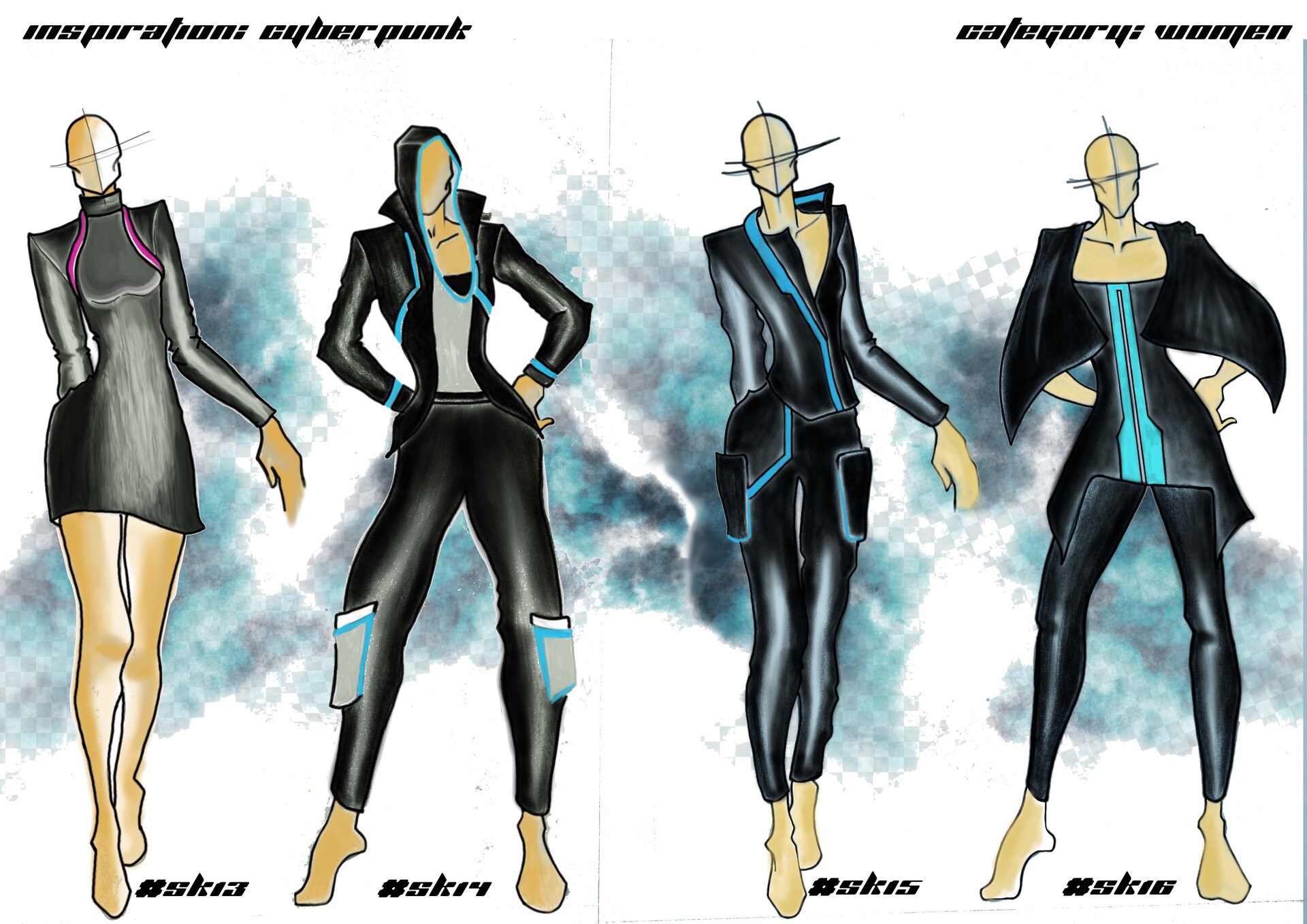
AI is powerful, fast, and efficient. But does this mean AI can replace human designers?
The Limits of AI Creativity
AI is not human. It can analyze patterns, mimic styles, and combine elements in novel ways, but there are key areas where AI struggles:
- Emotional Intuition
Fashion is not just about aesthetics; it’s about emotion. Designers translate feelings, experiences, and cultural nuances into garments. AI can recognize patterns associated with “emotional appeal,” but it does not feel emotion. A dress inspired by heartbreak or hope requires human experience to resonate deeply with people. - Cultural Context
Fashion is deeply embedded in culture. AI can study historical trends, but understanding the subtle cultural significance of a kimono’s sleeve or a sari’s drape requires more than data—it requires lived experience and contextual insight. Misinterpreting cultural symbols can lead to designs that feel hollow or even offensive. - Originality vs. Combination
Most AI design relies on learning from existing designs. Even when the results seem novel, they are recombinations of previous work. Human designers can break rules deliberately, challenge norms, and create revolutionary concepts that cannot be deduced from historical patterns. Consider how Rei Kawakubo or Virgil Abloh created entirely new vocabularies of fashion—something AI cannot spontaneously do. - Narrative and Storytelling
Fashion collections are stories, and humans are storytellers. AI may generate beautiful pieces, but it struggles to imbue them with a coherent narrative that reflects a designer’s vision, philosophy, or commentary on society.
In short, AI excels at efficiency, iteration, and prediction—but not at authentic human expression.
How AI Supports, Rather Than Replaces, Designers
Rather than thinking in terms of replacement, it is more realistic to see AI as a collaborator. Here are some ways AI enhances human creativity:
- Inspiration Engine: AI can suggest unexpected color palettes or silhouette combinations that human designers might not consider, serving as a creative spark.
- Time Saver: AI can handle repetitive or technical tasks, such as pattern grading or fabric matching, freeing designers to focus on conceptual work.
- Data-Driven Decisions: Designers can use AI analytics to understand customer preferences, reduce unsold inventory, and make informed design choices.
- Sustainable Fashion: By simulating fittings and predicting trends, AI helps minimize overproduction and textile waste.
In essence, AI acts like an advanced assistant—fast, data-savvy, and tireless—but the human designer remains the visionary.
Case Studies: AI in the Fashion World
- Dior and AI Forecasting
Dior has experimented with AI to anticipate trends. AI analyzed thousands of Instagram posts and e-commerce data to help the design team identify emerging colors, patterns, and materials. The designers then interpreted these insights to create collections that felt fresh and relevant. - Tommy Hilfiger + IBM Watson
IBM Watson collaborated with Tommy Hilfiger to analyze fashion images and sales data. The AI offered design recommendations, but human designers ultimately curated the final pieces, blending creativity with predictive insight. - AI-Generated Fashion Brands
Some start-ups are experimenting with fully AI-generated clothing lines. While interesting, these products often lack storytelling depth and struggle to resonate with mainstream consumers. They show that AI can produce clothing, but connecting emotionally with buyers remains a human domain.
These cases demonstrate that AI is most effective as a tool integrated into the human creative process.
The Psychological Factor: Human Desire for Human Creativity
Humans value the human touch. In fashion, this is even more pronounced. People buy designer clothing not just for style, but for the aura of creativity, prestige, and identity associated with the designer. A fully AI-generated dress may be technically perfect, but it lacks the narrative that makes fashion aspirational.
Moreover, fashion is performative. Runway shows, fashion week presentations, and editorial photoshoots all create an emotional spectacle. AI may generate designs, but it cannot perform, narrate, or emotionally engage an audience in the same immersive way humans do.
The Future of Fashion Design: Collaboration, Not Replacement
The trajectory is clear: AI will change how fashion designers work, but it will not replace them anytime soon. Here’s a speculative timeline:
- Short Term (1–5 years)
- AI assists in trend forecasting, digital prototyping, and efficiency optimization.
- Designers use AI to experiment with styles and reduce production waste.
- Medium Term (5–10 years)
- AI becomes a routine creative partner, suggesting designs and predicting consumer preferences in real time.
- Human designers focus more on storytelling, cultural insight, and brand vision.
- Long Term (10+ years)
- AI may generate commercially viable fashion lines independently, but human designers will remain essential for high-end, culturally significant, and emotionally resonant fashion.
- Collaboration between AI and humans may create hybrid workflows, where the line between human creativity and AI assistance is blurred, yet human sensibility remains central.
In short, AI may redefine roles in the fashion industry, but human creativity and vision are irreplaceable.
The Ethical Dimension
AI in fashion raises ethical questions:
- Intellectual Property: If AI generates a design based on existing works, who owns it?
- Cultural Appropriation: AI can unintentionally mimic culturally sensitive designs without understanding context.
- Job Displacement: While AI will not replace creative visionaries, it may impact entry-level positions in design, pattern making, and trend analysis.
Addressing these ethical issues requires careful policy, human oversight, and responsible AI development.
Conclusion
So, will AI replace fashion designers soon? The answer is a resounding no, at least not in the foreseeable future. AI is a powerful tool, capable of analyzing trends, generating designs, and optimizing processes. It will accelerate creativity and reduce inefficiencies, but it cannot replicate the human qualities that make fashion meaningful: emotional intuition, cultural insight, originality, and storytelling.
Fashion is an art form grounded in human experience. AI will not replace the visionary, the storyteller, or the cultural interpreter. Instead, it will become an indispensable collaborator—a co-creator that amplifies human creativity rather than substituting for it.
In the end, the future of fashion is likely to be a partnership between humans and machines. Designers who embrace AI as a creative ally will have a competitive edge, blending data-driven insight with artistic intuition to shape the next era of fashion.
Fashion will continue to be a human-centric art, enriched—but not replaced—by artificial intelligence.