






The world of high fashion has always been synonymous with glamour, luxury, and creativity. From Parisian runways to Milanese ateliers, fashion has defined culture and taste for centuries. But in the 21st century, a new factor is influencing this elite arena: sustainability. Eco-friendly materials are no longer niche products for the environmentally conscious—they are increasingly shaping the future of high fashion. Could they, one day, dominate the industry entirely? Let’s explore this intriguing possibility.
The Rising Tide of Sustainable Fashion
For decades, luxury fashion seemed impervious to environmental concerns. High-end brands often prioritized opulence and exclusivity over ecological impact. Yet, consumer awareness has shifted dramatically. Millennials and Gen Z, who now make up a large portion of the fashion market, are more conscientious than ever. They demand transparency in sourcing, ethical production practices, and a reduction in environmental footprints.
This shift has forced even the most traditional brands to rethink their supply chains. Materials such as organic cotton, recycled polyester, Tencel, and lab-grown leather are no longer experimental—they are becoming mainstream. High fashion houses, from Gucci to Stella McCartney, have integrated these materials into their collections, proving that sustainability and luxury can coexist.
Why Eco-Friendly Materials Make Sense in High Fashion
Luxury fashion is all about craftsmanship, quality, and differentiation. Eco-friendly materials align perfectly with these values for several reasons:
1. Storytelling and Brand Narrative
Luxury is as much about story as it is about fabric. A dress made from organic silk carries not only aesthetic value but also a narrative of environmental stewardship. High fashion brands can leverage this story, turning sustainability into a marketing asset without compromising style.
2. Technological Innovation
Eco-friendly materials often require advanced technologies to meet luxury standards. For instance, lab-grown leather is engineered to mimic the texture and durability of animal leather while reducing ecological harm. Similarly, bio-fabricated textiles can achieve the luster and softness of traditional silk without silkworms. These innovations appeal to the high-fashion ethos of cutting-edge creativity.
3. Exclusivity and Scarcity
Many eco-friendly materials are inherently exclusive due to the complexity of their production. Handcrafted hemp blends, mushroom leather, or recycled ocean plastics are not mass-produced. This scarcity mirrors the exclusivity that high fashion thrives on, allowing brands to maintain a premium aura while embracing sustainability.
Key Eco-Friendly Materials Transforming High Fashion
Let’s examine some of the materials making waves in high fashion today:
Organic Cotton and Hemp
Organic cotton is cultivated without synthetic pesticides, reducing soil and water pollution. Hemp, an often underappreciated material, is highly durable, requires minimal water, and grows rapidly. Luxury designers have embraced hemp for structured jackets and high-end accessories, proving that eco-friendly doesn’t mean compromising on elegance.
Tencel and Lyocell
Derived from sustainably sourced wood pulp, Tencel and Lyocell fibers are biodegradable, soft, and breathable. They have a silky texture, making them ideal for high-fashion dresses and blouses. Their environmental benefits—closed-loop production processes with minimal chemical waste—make them particularly appealing to environmentally conscious consumers.
Recycled Polyester and Nylon
Fast fashion often relies on virgin polyester, which is oil-based and polluting. High-fashion brands are shifting to recycled polyester sourced from post-consumer waste like plastic bottles. Advanced recycling methods now allow these fibers to perform as well as conventional polyester, offering the same sheen, stretch, and durability.
Lab-Grown and Mushroom Leather
Animal welfare concerns have fueled innovation in alternative leathers. Lab-grown leather, created from collagen or cellular structures, mimics the properties of traditional leather. Mushroom leather, made from mycelium, is flexible, breathable, and biodegradable. These materials allow high-fashion brands to maintain luxury textures while addressing ethical and environmental concerns.
Reclaimed Fabrics and Upcycling
Upcycling vintage textiles or production scraps into new garments is another avenue for sustainable luxury. Designers are creatively transforming discarded fabrics into unique collections, making each piece a story of environmental ingenuity. Limited-edition upcycled items reinforce both exclusivity and ethical consciousness.
Challenges to Widespread Adoption
While eco-friendly materials offer immense potential, several challenges could hinder their dominance in high fashion:
Cost Barriers
Sustainable fabrics often require more expensive production processes, which can significantly raise retail prices. While high-fashion consumers may accept higher costs, scalability for broader adoption remains a concern.
Supply Chain Complexity
Sourcing sustainable materials often involves multiple suppliers and certification processes. Ensuring consistency, quality, and traceability requires sophisticated supply chain management, which some traditional brands may struggle to implement.
Consumer Skepticism
Although awareness is rising, some consumers remain skeptical of green claims. Brands must provide transparency and proof of sustainability, which requires additional effort and investment in marketing and reporting.
Technological Limitations
Not all eco-friendly materials can yet match the durability, texture, or appearance of conventional fabrics. Continuous innovation is essential to meet the high-performance expectations of luxury fashion.
Case Studies: Pioneers of Eco-Friendly High Fashion
Several brands have successfully integrated eco-friendly materials, demonstrating that sustainability and luxury can coexist seamlessly.
Stella McCartney
A pioneer in sustainable luxury, Stella McCartney has embraced organic cotton, recycled polyester, and mushroom leather across her collections. The brand showcases that ethical fashion can be glamorous, high-quality, and commercially successful.
Gucci
Gucci has introduced initiatives like the “Gucci Off The Grid” collection, which utilizes recycled, organic, and sustainably sourced materials. By combining traditional Italian craftsmanship with eco-conscious practices, Gucci proves that luxury and sustainability can enhance one another.
Prada
Prada’s Re-Nylon initiative transforms ocean plastic into stylish nylon bags and accessories. The campaign emphasizes circular fashion and highlights how a luxury brand can contribute to environmental solutions without compromising brand identity.
The Future: Could Eco-Friendly Materials Dominate?
Predicting the full dominance of eco-friendly materials in high fashion involves examining market trends, technological innovation, and cultural shifts:
1. Consumer Demand Will Drive Change
Sustainability is increasingly a non-negotiable factor for younger consumers. As awareness continues to grow, brands will face pressure to adopt eco-friendly materials, particularly if luxury consumers perceive them as status symbols of responsibility.
2. Innovation Will Expand Material Options
Technological breakthroughs in textile engineering, biofabrication, and recycling will continue to produce high-performance eco-friendly materials. This innovation reduces trade-offs between aesthetics, durability, and sustainability, making green fabrics more competitive.
3. Policy and Regulation
Governments around the world are implementing stricter environmental regulations on textile production. High-fashion brands, often under intense public scrutiny, may be compelled to adopt eco-friendly materials to comply with emerging standards.
4. Cultural Shift Toward Conscious Luxury
Luxury has always been about aspiration. Today, aspiration is increasingly linked to values as well as aesthetics. Eco-consciousness is becoming a status symbol—wearing a sustainable luxury piece signals awareness, ethics, and sophistication. This cultural shift may propel eco-friendly materials into mainstream dominance.
Balancing Creativity and Sustainability
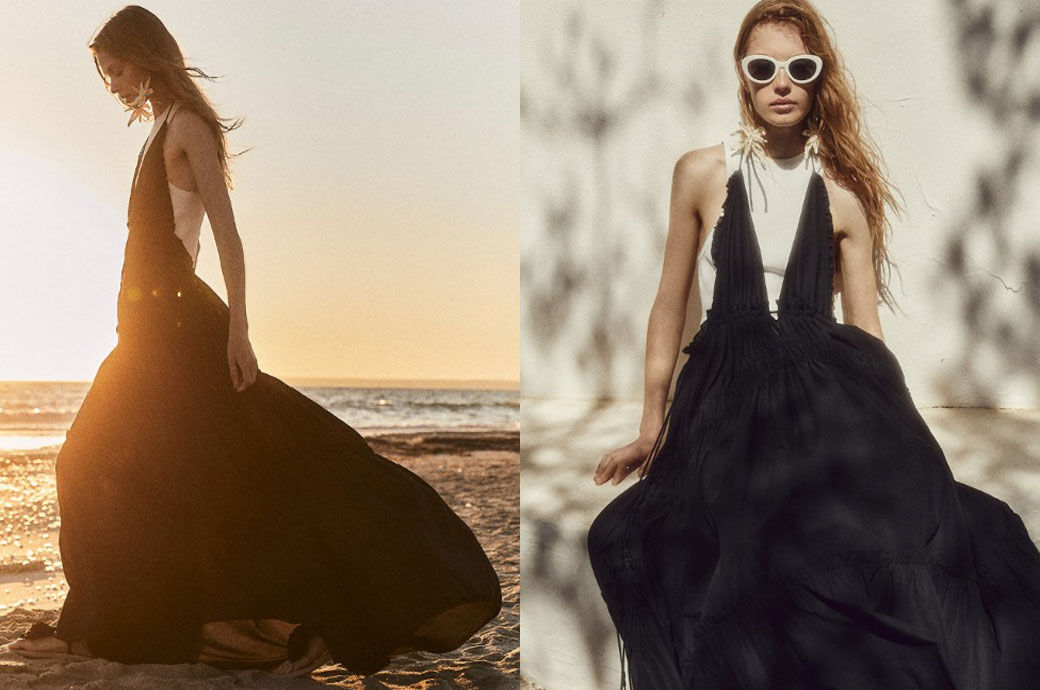
A crucial factor in the adoption of eco-friendly materials is ensuring they do not stifle creativity. Fashion thrives on experimentation, texture, and visual impact. Eco-friendly materials must be versatile enough to allow designers to explore bold silhouettes, intricate detailing, and unique finishes. Fortunately, advances in fiber engineering, dyeing technologies, and fabric treatments have made this increasingly possible. From flowing Tencel gowns to structured mushroom-leather boots, sustainable fashion can be as visually stunning as conventional luxury.
Conclusion
The dominance of eco-friendly materials in high fashion is not just a possibility—it is a trajectory already underway. Rising consumer demand, technological innovation, and cultural shifts are driving luxury brands to rethink materials, processes, and narratives. While challenges remain—cost, supply chain complexity, and technological limitations—brands that embrace sustainability creatively and strategically are likely to lead the next era of high fashion.
High fashion has always been about more than clothing; it’s about making statements. The next statement may be green, ethical, and beautifully crafted. Eco-friendly materials are no longer an alternative—they are shaping the luxury fashion narrative of the 21st century. In a world where elegance meets responsibility, the question is not whether eco-friendly materials will dominate high fashion, but how soon—and how spectacularly—they will do so.