






Introduction: From Chalkboards to Code
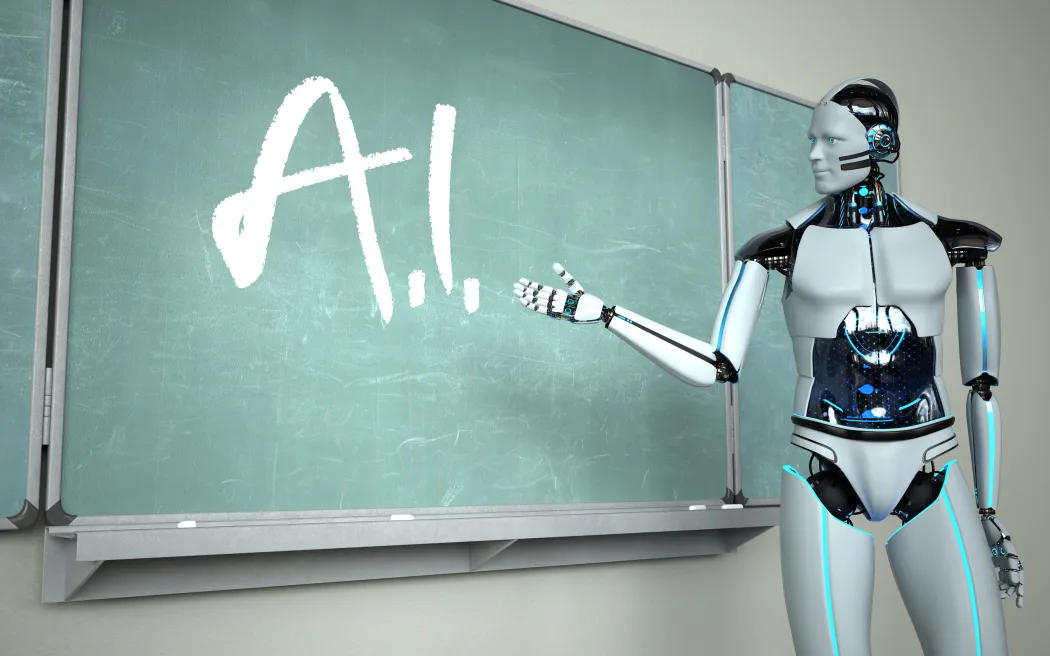
Walk into a modern classroom and you might still see familiar elements: desks, whiteboards, backpacks, and the low hum of students talking before class begins. But look closer and you will also find something new. Tablets replace notebooks. Learning platforms track progress in real time. Artificial intelligence recommends exercises based on yesterday’s mistakes. In some experimental schools, a humanoid robot stands at the front of the room, greeting students by name and leading a lesson with surprising confidence.
This raises a question that once belonged only to science fiction and now feels uncomfortably real: are robots ready to teach in schools?
The idea of robot teachers is fascinating, controversial, and often misunderstood. Some people imagine cold metal instructors replacing caring human educators. Others envision tireless assistants that free teachers from repetitive tasks and personalize learning for every student. Reality, as usual, is more complex and more interesting.
This article explores the current state of robot teaching, what “teaching” really means, where robots already succeed, where they fail, and what the future classroom might look like if humans and machines learn to teach together.
What Do We Mean by “Robots” in Education?
Before deciding whether robots are ready to teach, we need to clarify what kind of robots we are talking about. The term “robot teacher” covers a wide range of technologies.
1. Physical Robots in the Classroom
These are embodied machines with screens, speakers, cameras, and sometimes arms or faces. They can move, gesture, and interact socially. Examples include humanoid robots used to teach languages, programming, or basic science concepts.
2. AI Teaching Systems Without Bodies
Many “robot teachers” are not physical at all. They exist as software: intelligent tutoring systems, adaptive learning platforms, chat-based tutors, and virtual teaching assistants.
3. Hybrid Systems
Some schools use a combination of physical robots and cloud-based AI. The robot acts as a social interface, while the intelligence lives in software running elsewhere.
When people ask whether robots are ready to teach, they often imagine a single robot replacing a human teacher. In practice, most educational robots are designed to support, not replace, human educators.
What Does It Mean to Teach?
Teaching is not just delivering information. It is a complex human activity that includes:
- Explaining concepts clearly
- Adapting explanations to different learners
- Motivating students
- Managing classroom dynamics
- Providing emotional support
- Assessing understanding
- Encouraging curiosity and creativity
To evaluate robot readiness, we must ask how well robots perform across these dimensions.
Robots are already excellent at some tasks. They struggle deeply with others.
Where Robots Already Perform Well
1. Personalized Learning at Scale
One of the strongest arguments for robotic or AI-based teaching is personalization.
Human teachers, even the most dedicated, face limits. A class of 30 students includes 30 different learning speeds, backgrounds, and strengths. Robots, however, can:
- Track individual progress continuously
- Adjust difficulty levels instantly
- Offer targeted practice for specific weaknesses
- Provide immediate feedback
An AI tutor never gets tired of explaining fractions for the tenth time. It never loses patience when a student makes the same mistake again. For students who need extra practice or feel embarrassed asking questions, this can be transformative.
2. Consistency and Availability
Robots do not have bad days. They do not forget lesson plans. They do not need sick leave or coffee breaks.
In contexts such as:
- Remote learning
- Under-resourced schools
- After-school tutoring
- Exam preparation
robotic teaching systems provide consistent support at any hour. This is especially valuable in regions where qualified teachers are scarce.
3. Data-Driven Insights
Robots excel at collecting and analyzing data. They can detect patterns invisible to human observers, such as:
- A student who answers quickly but shallowly
- A class that struggles with a concept introduced weeks ago
- Learning materials that consistently cause confusion
These insights can help human teachers refine their instruction and intervene earlier.
4. Teaching Specific, Structured Skills
Robots perform best in domains with clear rules and objectives, such as:
- Mathematics practice
- Coding and computational thinking
- Vocabulary and pronunciation
- Test preparation
In language learning, for example, robots can patiently drill pronunciation, offer immediate correction, and simulate simple conversations without judgment.
The Social Side of Learning: A Major Challenge
Teaching is deeply social. This is where robots face their greatest limitations.
Emotional Intelligence Is Not Optional
Students, especially younger ones, learn best when they feel understood and supported. Human teachers read subtle signals:
- A confused look
- A slumped posture
- Nervous laughter
- Silence that signals fear rather than understanding
Robots can detect facial expressions and tone of voice to some extent, but they do not feel empathy. They simulate it. While this simulation can be convincing in limited contexts, it often breaks down in complex emotional situations.
A student who is anxious, bullied, grieving, or losing confidence needs more than correct answers. They need genuine human connection.

Classroom Relationships Matter
Learning is shaped by relationships:
- Trust between teacher and student
- Shared humor and inside jokes
- Respect built over time
Robots struggle to form authentic long-term relationships. Students may enjoy interacting with them, but the depth of connection is usually shallow.
Motivation: Can Robots Inspire Students?
Motivation is one of the most powerful forces in education. Great teachers ignite curiosity and passion. Can robots do the same?
Short-Term Engagement vs Long-Term Inspiration
Robots can be highly engaging at first. Students often find them novel, entertaining, and fun. Gamified lessons, interactive dialogues, and animated responses hold attention.
However, novelty fades.
Sustained motivation often comes from:
- A teacher’s personal story
- A shared sense of purpose
- A belief that someone truly cares about your success
Robots can encourage, praise, and reward, but their motivation is algorithmic. For many students, this feels different from human encouragement.
Authority and Classroom Management
A classroom is not just a learning space; it is a social system.
Can Robots Maintain Discipline?
Maintaining order requires judgment, flexibility, and cultural understanding. Human teachers know when to:
- Be strict
- Be patient
- Ignore minor disruptions
- Intervene decisively
Robots follow rules. When situations become ambiguous or emotionally charged, rigid rule-following can escalate problems rather than resolve them.
Respect and Legitimacy
Authority in education is not only about power. It is about legitimacy. Students often comply because they respect their teacher as a person.
Robots may command attention, but respect is harder to earn when students know the “teacher” cannot truly understand them or be held morally accountable.
Ethics and Responsibility in Robot Teaching
Introducing robots into education raises serious ethical questions.
Who Is Responsible When Things Go Wrong?
If a robot gives incorrect information, reinforces bias, or fails to notice a struggling student, who is responsible?
- The school?
- The software developer?
- The data provider?
Clear accountability is essential in education, and robotic systems complicate this.
Bias and Fairness
Robots learn from data. If that data reflects social bias, the robot may unintentionally:
- Favor certain learning styles
- Misinterpret cultural behaviors
- Lower expectations for some students
Without careful oversight, robotic teaching systems can amplify inequality rather than reduce it.
Privacy and Surveillance
Educational robots collect vast amounts of data:
- Academic performance
- Behavioral patterns
- Voice recordings
- Facial expressions
Protecting student privacy is critical, especially for children. Schools must balance personalization with ethical data use.

Teachers’ Perspectives: Threat or Tool?
One of the most important voices in this debate belongs to teachers themselves.
Fear of Replacement
Many educators worry that robots are designed to replace them, reduce costs, and standardize learning. This fear is understandable, especially in systems already under economic pressure.
However, current technology does not support full replacement. Robots cannot handle the full complexity of teaching.
Robots as Professional Support
When designed well, robots can:
- Reduce grading workload
- Handle routine practice sessions
- Provide diagnostic insights
- Support differentiated instruction
In this model, teachers focus on:
- Deep explanation
- Mentorship
- Social-emotional learning
- Creative exploration
Rather than replacing teachers, robots can elevate the profession by removing its most repetitive burdens.
Students’ Voices: How Do Learners Feel?
Students’ reactions to robot teachers are mixed and revealing.
Younger Students
Younger children often:
- Enjoy interacting with robots
- Treat them as friendly companions
- Respond positively to animated behavior
For early literacy or language learning, robots can be effective co-teachers.
Older Students
Older students tend to be more critical. They may:
- Appreciate efficiency and clarity
- Question the robot’s authority
- Miss human discussion and debate
Many prefer robots for practice but humans for explanation, guidance, and inspiration.
Cultural Differences in Accepting Robot Teachers
Attitudes toward robot teaching vary across cultures.
- Some societies are more comfortable with automation and AI in daily life
- Others place a stronger emphasis on human-centered education
Educational values, teacher status, and cultural views of technology all shape acceptance.
This suggests that robot teaching will not follow a single global model. It will adapt to local values and expectations.
The Hybrid Classroom: A More Realistic Future
The most promising vision is not robots instead of teachers, but robots with teachers.
Division of Labor
In a hybrid classroom:
- Robots handle routine practice, assessment, and data analysis
- Human teachers focus on explanation, discussion, creativity, and care
This division plays to the strengths of both.
Flexible Roles
Robots may act as:
- Teaching assistants
- Tutors
- Learning companions
- Accessibility tools for students with special needs
The teacher remains the leader, mentor, and ethical guide.
Teacher Training in a Robotic Age
If robots are to be used responsibly, teachers must be trained to work with them.
Key skills include:
- Interpreting AI-generated data
- Integrating robotic tools into lesson design
- Understanding limitations and bias
- Maintaining human-centered values
Teaching in the future will require not less professionalism, but more.
Are Robots Ready Now?
The honest answer is: partially.
Robots are ready to:
- Support learning
- Personalize practice
- Assist teachers
- Expand access to education
They are not ready to:
- Replace human teachers
- Handle complex emotional needs
- Serve as moral role models
- Fully manage classrooms
Readiness depends not only on technology, but on expectations. If we expect robots to be human, they will fail. If we design them as tools that amplify human teaching, they can succeed.
Rethinking the Question
Perhaps the better question is not “Are robots ready to teach in schools?” but:
Are schools ready to teach with robots wisely?
This requires:
- Ethical frameworks
- Teacher involvement
- Student-centered design
- Clear educational goals
Technology alone does not improve education. Thoughtful integration does.
Conclusion: Teaching Is Still Human at Its Core
Robots are entering classrooms, and they are here to stay. They bring efficiency, personalization, and new possibilities. But teaching is more than information transfer. It is a deeply human act rooted in empathy, judgment, and shared meaning.
Robots can teach skills.
Humans teach values.
The future of education is not a battle between humans and machines. It is a collaboration. When robots handle what they do best and humans do what only humans can do, schools become not colder, but richer.
In that sense, robots may be ready to teach — as long as we remember who the teachers really are.