





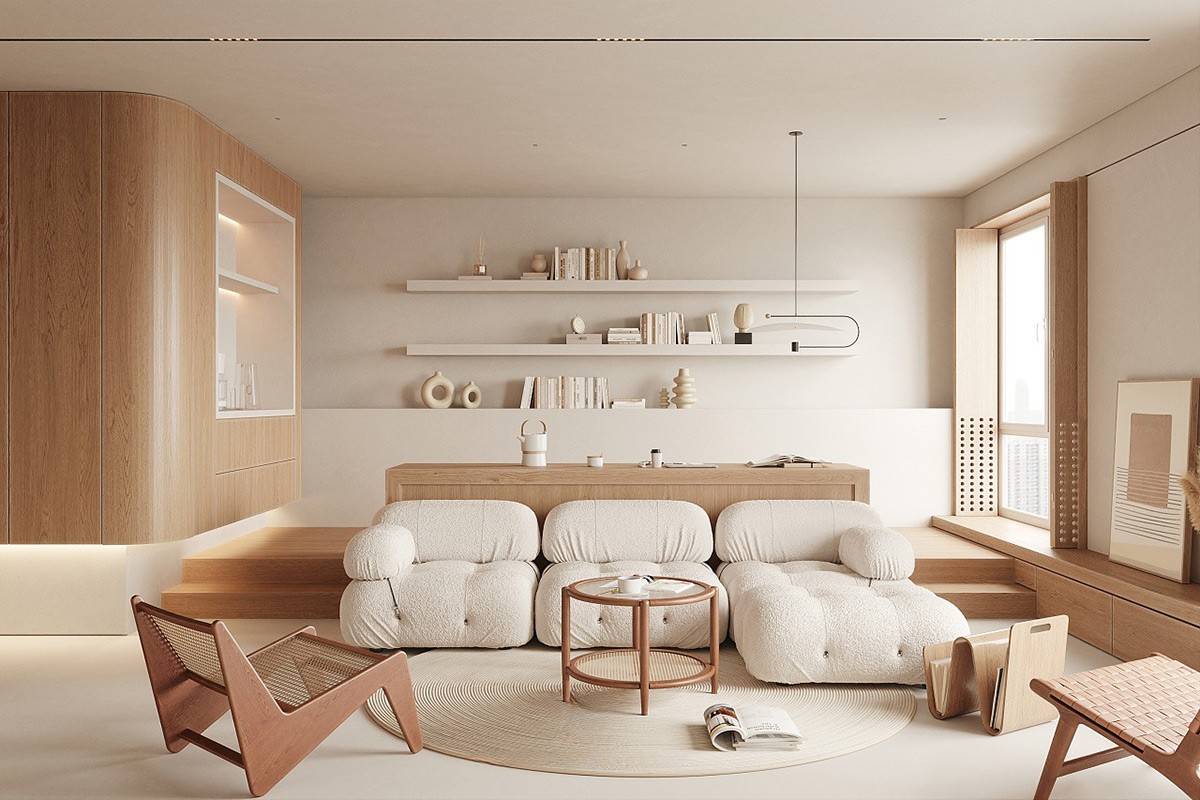

In a world flooded with endless notifications, overflowing closets, and an insatiable appetite for “more,” minimalism emerges as both a philosophy and a lifestyle that promises clarity, calm, and perhaps even happiness. But can adopting minimalism truly make you happier, or is it just another trendy aesthetic that looks good on Instagram feeds? Let’s explore this question step by step, blending psychology, lifestyle design, and practical advice into a readable, yet professional guide.
1. The Essence of Minimalism
At its core, minimalism isn’t just about owning fewer things. It’s about intentionality—making conscious choices about what we let into our lives. Minimalism can manifest in many forms:
- Material Minimalism: Reducing physical possessions to the essentials.
- Digital Minimalism: Limiting screen time, notifications, and online clutter.
- Lifestyle Minimalism: Streamlining routines, commitments, and habits for better focus and fulfillment.
- Mental Minimalism: Decluttering thoughts, managing stress, and simplifying decision-making.
The unifying principle is intentionality: doing more with less, but in a way that aligns with personal values. Minimalism asks, “Does this add value to my life, or is it noise?”
2. Why Modern Life Feels Overwhelming
Before exploring minimalism’s benefits, it helps to understand why happiness seems so elusive today. Modern life bombards us with stimuli:
- Consumer Culture: Ads, sales, and trends push us toward perpetual acquisition.
- Digital Overload: Notifications, social media, and endless scrolling fragment attention.
- Choice Overload: Too many options can paralyze decision-making.
- Time Poverty: We juggle school, work, hobbies, social obligations, and self-care, often leaving little mental space for reflection.
The cumulative effect? Stress, distraction, and dissatisfaction. Happiness, in this context, becomes a scarce resource.
3. The Psychological Link Between Possessions and Happiness
Psychologists have long studied how possessions affect well-being. A few key insights emerge:
- Hedonic Adaptation: Buying new things brings temporary joy, but over time, the excitement fades. This explains why material accumulation rarely leads to sustained happiness.
- Decision Fatigue: Excess belongings create more choices—what to wear, what to clean, where to store. Each choice consumes mental energy.
- Identity Clutter: Items often carry emotional baggage—gifts, souvenirs, or unused purchases can subconsciously weigh us down.
Minimalism addresses these problems by reducing unnecessary possessions, thus lowering mental load and creating space for meaningful experiences.
4. Minimalism and Happiness: Evidence from Research
Multiple studies suggest a positive link between minimalism and subjective well-being:
- Decluttering Improves Mood: Research shows that organized, uncluttered spaces reduce stress and enhance focus.
- Experiences Trump Things: People consistently report greater happiness from experiences rather than material purchases. Minimalism encourages prioritizing experiences.
- Financial Freedom: Owning less can reduce financial stress, a major predictor of unhappiness.
- Autonomy and Control: Minimalism fosters a sense of control over life, which correlates strongly with life satisfaction.
While minimalism isn’t a magical happiness pill, evidence suggests it can create conditions conducive to lasting joy.
5. The Minimalist Mindset
Minimalism begins in the mind. It’s not just about purging belongings—it’s about reshaping priorities and perspectives.
- Value Alignment: Ask yourself, “What truly matters?” and focus energy there.
- Intentional Consumption: Instead of mindless shopping, acquire items that serve purpose or bring joy.
- Less Multitasking: Streamlining commitments prevents overwhelm and enhances focus.
- Mindful Technology Use: Digital minimalism involves curating apps, limiting social media, and scheduling screen-free time.
Minimalism, at its heart, is about reclaiming attention and energy from the trivial and redirecting them toward what is meaningful.
6. Material Minimalism: More Than Just Decluttering
Decluttering your physical environment is often the first step toward minimalism. But it’s more than a spring-cleaning exercise. Consider these approaches:
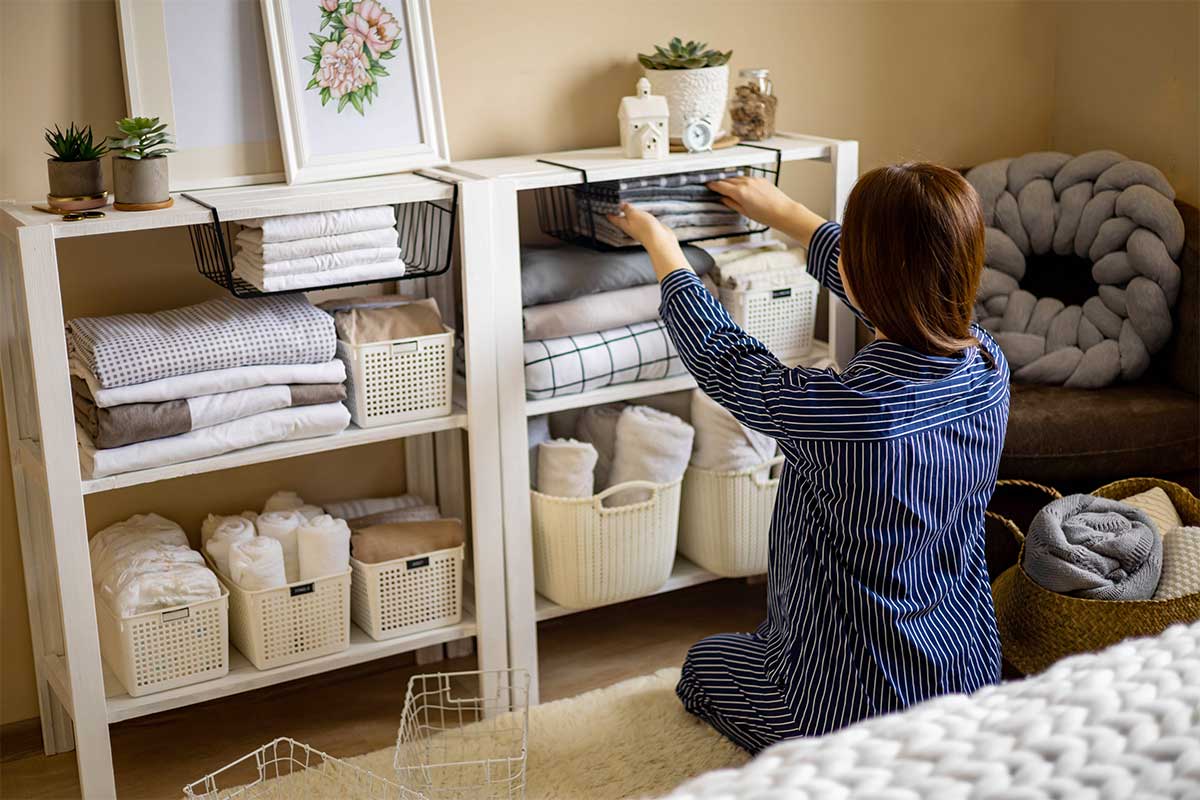
- KonMari Method: Keep only items that “spark joy.”
- Capsule Wardrobe: Reduce clothing to versatile, essential pieces.
- One-In, One-Out Rule: For every new item you bring in, remove one old one.
- Sentimental Balance: Decide which mementos genuinely matter versus those kept out of guilt or habit.
Material minimalism can transform your living space from chaotic to calming, providing a tangible sense of control and clarity.
7. Digital Minimalism: Escaping the Attention Economy
Digital minimalism is crucial in the modern era. The average teenager spends 7-9 hours per day on screens. While technology connects us, it also fragments attention and fuels stress.
- Declutter Apps: Remove or hide apps that drain energy without adding value.
- Batch Notifications: Check messages and social media at set times instead of constantly.
- Mindful Consumption: Prioritize content that educates, inspires, or genuinely entertains.
- Tech-Free Zones: Designate times or areas, like mealtimes or bedrooms, to be device-free.
Digital minimalism restores mental space, allowing focus on real-world interactions, hobbies, and rest.
8. Lifestyle Minimalism: Streamlining Commitments
Many teens and young adults are overcommitted. Sports, clubs, tutoring, social obligations, and hobbies can create pressure without proportional benefit. Lifestyle minimalism involves:
- Prioritization: Identify commitments aligned with long-term goals and personal values.
- Time Blocking: Schedule focused periods for work, study, and rest.
- Saying No: Politely declining obligations that drain energy is a form of self-care.
- Simplifying Routines: Streamline morning, homework, and weekend routines to reduce decision fatigue.
By consciously choosing where to invest time and energy, life becomes less chaotic and more fulfilling.
9. Mental Minimalism: Decluttering the Mind
Physical and digital decluttering often lead naturally to mental decluttering. Mental minimalism includes:
- Mindfulness Practices: Meditation, journaling, and reflection help identify mental clutter.
- Single-Task Focus: Multi-tasking splits attention and reduces satisfaction.
- Emotional Awareness: Let go of lingering negativity, grudges, or guilt over trivial matters.
- Cognitive Load Management: Break complex tasks into smaller steps to reduce overwhelm.
A minimalist mind fosters clarity, calm, and improved emotional regulation, which are key components of happiness.
10. Minimalism and Relationships
Happiness isn’t just personal; it’s relational. Minimalism can improve relationships by:
- Prioritizing Connection Over Possessions: Experiences with friends and family often matter more than material items.
- Quality Over Quantity: Focus on deeper relationships rather than accumulating acquaintances.
- Reduced Social Comparison: Minimalist lifestyles discourage competing with peers over possessions or status.
Simplifying your social life allows more time and energy for meaningful connections.
11. Common Misconceptions About Minimalism
Minimalism is often misunderstood:
- “Minimalism Means Boring”: Minimalism doesn’t mean deprivation—it’s about intentional joy.
- “You Have to Throw Everything Away”: Minimalism is selective, not destructive.
- “It’s Only About Money”: Minimalism affects time, attention, mental health, and personal values.
- “It’s Instant Happiness”: Minimalism is a gradual mindset shift, not a one-time fix.
Understanding these nuances prevents frustration and helps integrate minimalism sustainably.
12. Challenges and Pitfalls of Minimalism
Adopting minimalism isn’t always easy:
- Emotional Attachment: Letting go of sentimental items can be difficult.
- Social Pressure: Friends or family may not understand or support minimalist choices.
- Over-Rigidity: Being overly strict can lead to guilt or anxiety.
- Comparison Trap: Minimalism should be personal, not a competition.

The key is balance: minimalism should reduce stress, not add it.
13. Minimalism for Teens and Young Adults
Teenagers and young adults face unique challenges in practicing minimalism:
- Peer Influence: Social media and peer trends promote materialism.
- School and Extracurricular Pressure: Overcommitment is common.
- Developing Identity: Minimalism can help clarify values and priorities.
Practical steps for young people include:
- Starting small (e.g., decluttering a backpack or digital files).
- Focusing on experiences like outings, learning new skills, or creative projects.
- Using minimalism to reduce stress and create mental space for growth.
14. Minimalism in Action: Case Studies
While theories are useful, seeing minimalism in practice is inspiring:
- The Capsule Wardrobe Student: Cuts down wardrobe to 30 versatile pieces, reducing morning stress.
- The Digital Detox Teen: Limits social media to 30 minutes a day, resulting in more time for hobbies.
- The Mindful Collector: Keeps sentimental items intentionally, leading to less clutter and more emotional satisfaction.
- The Lifestyle Streamliner: Reduces extracurricular overload, increasing focus on priorities.
These examples show that minimalism can be customized and scaled to fit individual lifestyles.
15. Minimalism and Creativity
Interestingly, minimalism often fuels creativity rather than stifling it:
- Fewer Distractions: A clean environment allows mental clarity.
- Intentional Tools: Limiting materials can encourage resourcefulness.
- Focused Energy: Less time spent on trivial tasks leaves more time for creative pursuits.
Many artists, writers, and innovators attribute clarity and productivity to minimalist environments and habits.
16. Steps to Embrace Minimalism
Adopting minimalism doesn’t require perfection. A practical roadmap includes:
- Audit Your Life: Identify possessions, digital clutter, routines, and commitments.
- Clarify Values: Define what truly matters.
- Set Goals: Decide what minimalism means for you.
- Start Small: Declutter a drawer, an app, or a weekly schedule.
- Maintain: Establish habits to prevent clutter from returning.
- Reflect Regularly: Assess how minimalism affects your mood, focus, and happiness.
Consistency matters more than extremes.
17. The Science of Happiness and Minimalism
Minimalism aligns closely with established principles of well-being:
- Autonomy: Minimalism allows more control over your life.
- Competence: Simplifying decisions enhances effectiveness.
- Relatedness: Freeing time and attention improves social connections.
- Positive Emotions: Clutter-free spaces reduce stress and increase calm.
Minimalism doesn’t create happiness directly—it removes barriers that prevent it.
18. Minimalism and Mindset Shifts
Happiness from minimalism isn’t just about removing stuff. It’s about:
- Gratitude: Appreciating what you have instead of yearning for more.
- Contentment: Finding joy in simplicity.
- Mindful Consumption: Making deliberate choices about purchases, time, and energy.
- Slower Living: Embracing quality over quantity in experiences and routines.
These mindset shifts often outlast physical decluttering.
19. Minimalism Beyond the Individual
Minimalism can also contribute to broader societal and environmental benefits:
- Reduced Waste: Fewer possessions and mindful consumption lower environmental impact.
- Sustainable Living: Less consumption supports sustainability.
- Cultural Shift: Prioritizing experience over things can reshape social norms around happiness.
Happiness, in this sense, extends beyond personal satisfaction to ethical and ecological awareness.
20. Can Minimalism Really Make You Happier?
The question circles back to the title. Can minimalism really make you happier? The answer is nuanced:
- Yes, indirectly: Minimalism removes stressors, simplifies choices, and fosters intentional living—all of which support well-being.
- Not automatically: Happiness requires reflection, purpose, and value alignment, not just decluttering.
- Highly personal: Minimalism works differently for everyone. Some may thrive with fewer possessions; others find joy in abundance but with intentional boundaries.
In essence, minimalism is a tool for creating space—physically, mentally, and emotionally—so you can focus on what truly matters.
21. Conclusion: Intentional Living Over Accumulation
Minimalism isn’t a one-size-fits-all lifestyle or a guaranteed path to joy. It’s a philosophy that prioritizes meaning over accumulation, intentionality over chaos, and clarity over distraction. For those willing to experiment, reflect, and adapt, minimalism offers a pathway to deeper satisfaction, creativity, and peace of mind.
Happiness from minimalism isn’t about living with nothing—it’s about living with what matters.