





Introduction: The Curious Life of Memes
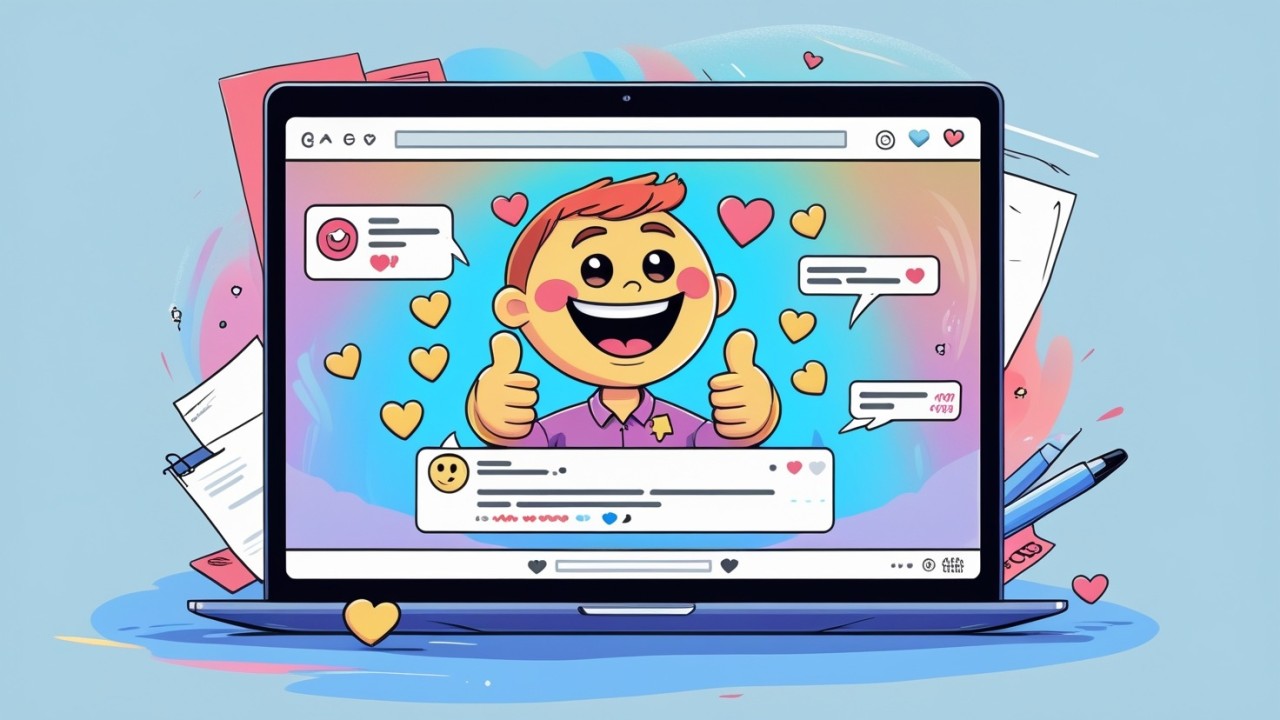
In the digital age, memes are everywhere. From the scroll of your morning feed to the late-night group chat, memes have become cultural currency—small packets of humor, irony, or commentary that travel faster than any traditional narrative. Yet, beyond their fleeting virality, some memes manage to embed themselves deeply into collective memory. This raises a compelling question: can a meme become a modern legend? Can these seemingly trivial images and phrases evolve into the folklore of the 21st century?
To answer this, we need to examine what defines a legend, how memes operate in the digital ecosystem, and what mechanisms allow them to transcend ephemeral status and become enduring cultural icons.
Defining Modern Legends
Traditionally, a legend is a narrative rooted in history but exaggerated over time, often conveying moral, cultural, or social truths. Legends are characterized by longevity, memorability, and cultural impact. Think of King Arthur, Robin Hood, or local folk heroes whose stories have persisted for centuries.
Modern legends, however, inhabit a different ecosystem. They are born in a hyperconnected world, shaped by technology, social media, and participatory culture. These legends are not necessarily tied to historical events but can reflect collective anxieties, humor, or social commentary. Memes, with their inherent replicability, visual appeal, and social resonance, are uniquely positioned to occupy this space.
Memes as Cultural Artifacts
Memes are more than jokes; they are cultural artifacts. A meme encapsulates ideas in a format that is easily understood, shareable, and remixable. Richard Dawkins, who coined the term “meme” in 1976, envisioned it as a unit of cultural transmission—akin to genes in biological evolution. Memes spread, mutate, and adapt to their environment.
The digital age has accelerated this process. Unlike oral folklore, which could take generations to evolve, a meme can achieve global recognition in hours. Think of “Distracted Boyfriend” or “Woman Yelling at a Cat.” These images are no longer confined to social media—they appear in advertisements, academic studies, and even political discourse. Their pervasiveness mirrors the societal influence of traditional legends.
Characteristics That Make a Meme Legendary
Not all memes become legends. Certain qualities increase a meme’s chances of achieving this elevated status:
1. Universality
A legendary meme resonates across cultural and linguistic boundaries. Simplicity and relatability allow it to appeal to diverse audiences. The less context-dependent the humor or message, the more likely it will endure.
2. Adaptability
Legendary memes evolve. They can be remixed, parodied, and recontextualized without losing their core identity. This flexibility mirrors oral folklore, where stories adapt to local cultures and epochs.

3. Narrative Potential
Memes that tell a story—or imply a larger narrative—have more staying power. A single-frame meme can hint at universal human experiences, generating an emotional resonance that encourages repeated sharing.
4. Emotional Impact
Emotion drives memory. Humor is a powerful vehicle, but memes that provoke awe, fear, nostalgia, or empathy often linger longer in cultural consciousness.
5. Repetition and Reinforcement
Repetition embeds a meme into cultural memory. As memes circulate widely across platforms, they reinforce their visual and narrative motifs, much like oral storytelling traditions of the past.
Memetic Evolution: From Joke to Legend
The evolution from meme to legend follows a pattern reminiscent of natural selection. Memes compete for attention in a dense information ecosystem. Those with greater “fitness”—defined by shareability, adaptability, and emotional resonance—survive and spread.
Consider the “Pepe the Frog” meme. Originally a comic character, Pepe became a global phenomenon, evolving across decades from harmless humor to political symbolism. Its narrative grew richer as communities reinterpreted it, embedding it in larger cultural debates. In this sense, Pepe functions as a living legend, a symbol whose meaning shifts and adapts with society.
Memes and Collective Memory
Legends survive because they resonate with collective memory. Similarly, memes that enter collective consciousness do so because they tap into shared experiences or societal anxieties.
Take “Grumpy Cat,” for example. The feline’s perpetually disgruntled expression became a universal shorthand for frustration and cynicism. Grumpy Cat memes transcended digital boundaries, appearing in merchandise, commercials, and media coverage, effectively embedding themselves into pop culture memory. This mirrors the trajectory of traditional legends: memorable, repeatable, and emotionally resonant.
The Role of Social Media
Social media platforms are the crucibles of modern legends. Algorithms favor content that engages, shocks, or entertains, amplifying memes with high emotional resonance. Memes gain virality not only from humor but from community participation—users remix, comment, and share, collectively shaping the meme’s trajectory.
The collaborative nature of social media echoes the oral tradition of legend-making. Just as villagers passed stories from one generation to the next, netizens contribute to a meme’s narrative, adding layers of meaning and context.
Memes as Moral and Cultural Commentary
Many modern legends carry implicit social messages. Memes often critique politics, cultural norms, or human behavior through humor and satire. In this sense, they perform a similar function to historical legends, which conveyed societal values and moral lessons.
For example, “This Is Fine,” the meme depicting a dog calmly sitting in a burning room, encapsulates modern anxiety and denial in the face of crises. Its simplicity allows for endless adaptation, making it a cultural shorthand for resilience—or the lack thereof—in turbulent times.
Endurance Beyond the Internet
For a meme to become a true legend, it must survive beyond the internet. Some do. Internet-born symbols like “Keyboard Cat” or “Rickrolling” have transcended online culture to enter mainstream media, merchandise, and even academic studies. Their persistence demonstrates that memes, like traditional legends, can achieve long-term cultural relevance.
Challenges to Memetic Legendary Status
Not every meme is destined for legend. Many fade as quickly as they appear. Factors limiting a meme’s longevity include:
- Overexposure: Saturation can diminish humor and relevance.
- Context-dependence: Highly niche or culturally specific memes may struggle to resonate universally.
- Platform obsolescence: When platforms hosting the meme decline, so too can its visibility.
Yet, some memes overcome these challenges through adaptation, reinvention, and incorporation into broader cultural discourse.
Memes as a New Form of Folklore
When we strip memes down to their essential elements, we find parallels with folklore:
- Oral tradition → digital sharing
- Symbolic narrative → image, video, or phrase
- Community interpretation → social media remix culture
- Moral or cultural insight → social commentary and humor
By this measure, memes are not just entertainment—they are a new form of living folklore. They encode societal values, anxieties, and humor in ways that are both ephemeral and enduring.
Memes and the Future of Modern Legends
Looking forward, memes may redefine how legends are formed. As augmented reality, AI-generated content, and virtual spaces expand, memes could evolve into interactive, multimedia legends. Imagine a meme that adapts in real time based on user interaction, or one that becomes a persistent cultural artifact in virtual communities.
In such scenarios, the distinction between meme and legend blurs. The mechanisms of collective memory, narrative evolution, and cultural resonance remain the same—but the medium becomes more dynamic, participatory, and immersive.
Conclusion: The Legendary Potential of Memes
So, can a meme become a modern legend? Absolutely. Memes possess the essential qualities of legends: narrative potential, adaptability, emotional resonance, and cultural impact. Their rapid dissemination and participatory evolution make them uniquely suited to modern folklore.
While not every meme will achieve legendary status, those that resonate deeply with collective consciousness, adapt over time, and extend beyond the digital sphere may very well join the pantheon of 21st-century cultural icons. In the age of the internet, legends no longer require centuries—they can emerge in days, survive in memes, and echo across global communities, reminding us that storytelling is as alive and evolving as ever.