





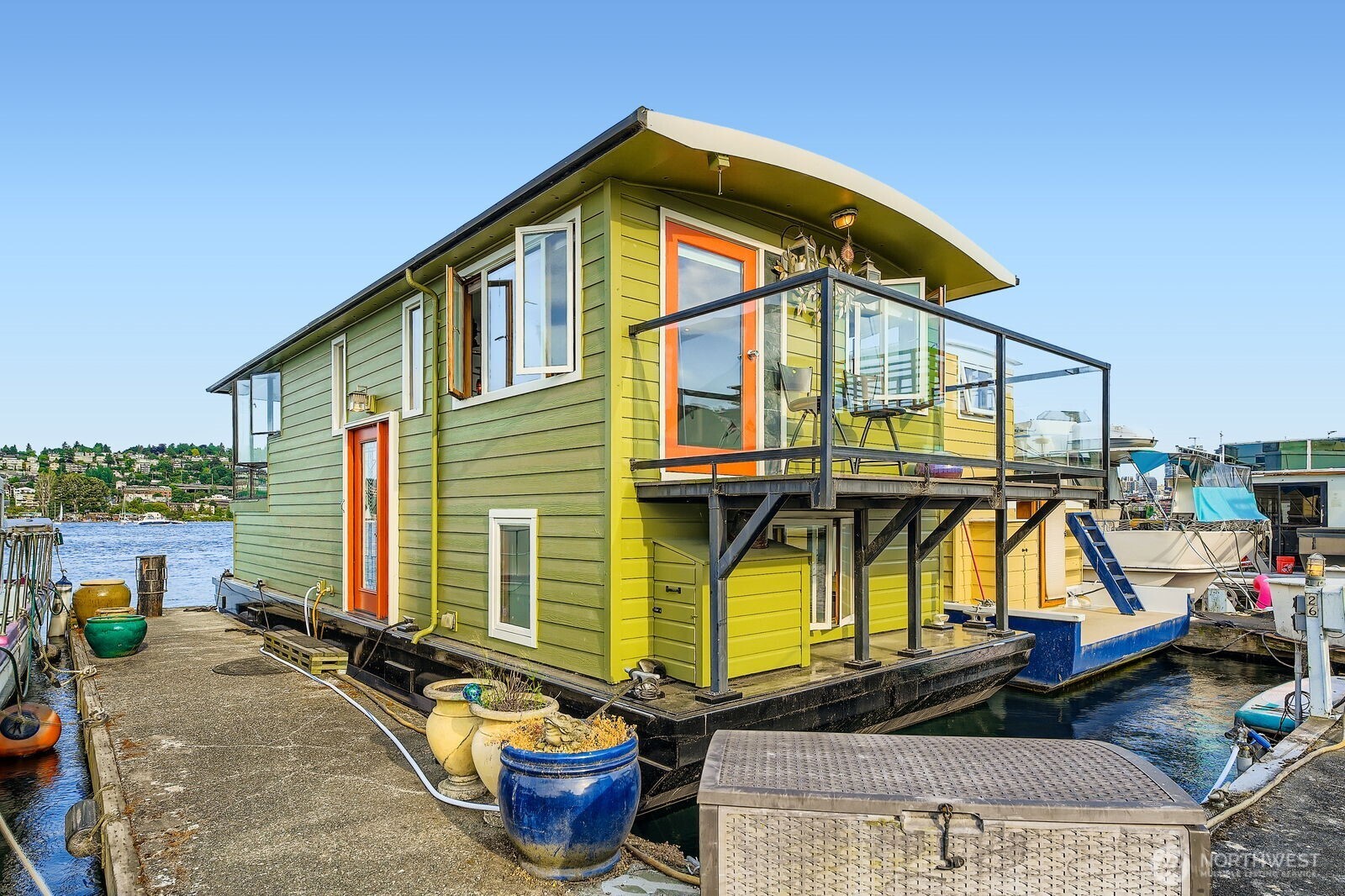

In a world where cities stretch endlessly and the hum of modern life never truly stops, the idea of escaping to a floating village has become increasingly enticing. Imagine stepping away from traffic jams, endless notifications, and the concrete jungle to a place where water becomes your pathway, and the horizon feels limitless. Tiny floating villages are not merely a fantasy—they are a tangible alternative lifestyle that combines simplicity, sustainability, and adventure in ways traditional living spaces rarely offer.
The Allure of Floating Life
What makes tiny floating villages so captivating? At their core, these communities challenge conventional living norms. By existing on water, they break free from the limitations of land, offering flexibility in design, mobility, and lifestyle. The beauty of a floating village lies not just in its aesthetics but in its philosophy. Life on the water promotes a slower, more mindful rhythm. Residents become attuned to the subtle changes of tides, weather, and seasons, fostering a deep connection with nature that urban living often suppresses.
Floating villages are more than just homes—they are microcosms of sustainability. Many are designed to harness renewable energy, utilize water recycling systems, and cultivate floating gardens. These innovations not only reduce ecological footprints but also offer a blueprint for future living in the face of climate change and rising sea levels.
Historical Roots: A Living Tradition
Floating settlements are not a modern invention. For centuries, communities around the world have built homes on water, adapting ingeniously to their environments. From the stilted villages of Southeast Asia to the houseboats of Europe, humans have long recognized the benefits of waterborne living.
In Southeast Asia, floating markets and stilt villages emerged along rivers that were crucial for trade and transportation. Communities thrived by fishing, farming aquatic plants, and trading goods directly from boat to boat. Similarly, in the Netherlands, houseboats transformed from functional water dwellings to trendy, sustainable homes in urban canals. These historical examples demonstrate that floating life is not merely experimental—it is a proven lifestyle with practical roots.
Architecture on the Water: Tiny, Ingenious, and Sustainable
Designing homes that float is a careful balance between engineering and creativity. Tiny floating houses typically range from 200 to 500 square feet, but what they lack in size, they compensate for with innovation. Lightweight, buoyant materials, modular structures, and clever use of vertical space allow architects to create functional, comfortable spaces without compromising stability.
Many floating homes incorporate renewable energy sources, such as solar panels and small wind turbines, reducing dependency on the grid. Rainwater harvesting systems and composting toilets turn these homes into near self-sufficient ecosystems. Even the interiors are optimized: foldable furniture, multifunctional surfaces, and compact storage solutions make everyday living surprisingly convenient.
Floating villages also experiment with shared infrastructure. Instead of each house having its own amenities, communities often feature shared gardens, communal kitchens, and floating docks. This encourages social interaction while maximizing efficiency—something urban high-rises rarely achieve.
Lifestyle Benefits: Why People Are Making the Leap
Living in a floating village is not just about aesthetics or novelty; it fundamentally changes one’s lifestyle. Residents often report improved mental health due to the calming influence of water. Studies have shown that proximity to water can reduce stress, enhance creativity, and improve overall well-being.
Daily life in a tiny floating village encourages simplicity and mindfulness. Without the constant distraction of digital screens and urban noise, residents tend to adopt slower, more intentional routines. Fishing for dinner, tending a small garden, or simply observing the dance of sunlight on water becomes a form of meditation.
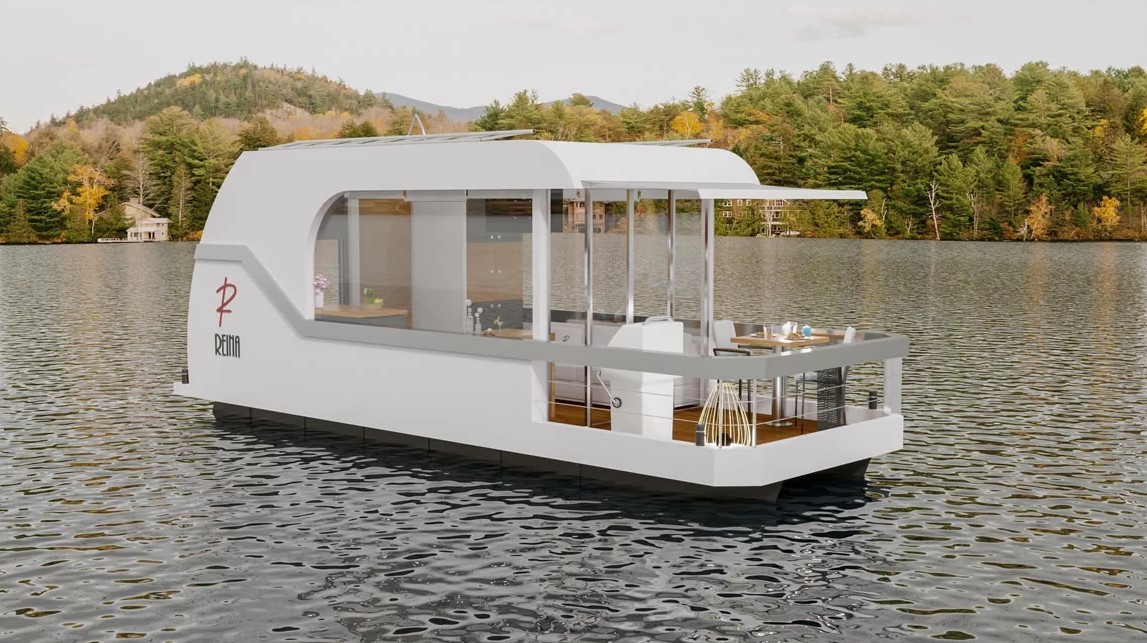
Moreover, the mobility of floating homes offers an unmatched sense of freedom. While many remain anchored in a community, others can relocate seasonally or in response to environmental changes. This flexibility transforms living spaces from static investments into dynamic, adaptable lifestyles.
Challenges: Living on Water Isn’t Always Idyllic
Despite the allure, life on water comes with challenges. Weather conditions, especially storms and strong winds, demand robust construction and careful planning. Flooding, ice, or tidal surges can pose real risks, requiring both engineering foresight and emergency preparedness.
Maintenance is another factor. Constant exposure to water accelerates wear and tear, and issues like mold or corrosion can arise more quickly than in traditional homes. Residents must embrace a proactive, hands-on approach to upkeep, which might not suit everyone.
Additionally, accessibility can be limited. Transportation often relies on boats or bridges, and proximity to schools, hospitals, or markets can be restricted. However, for those willing to adapt, the benefits often outweigh these hurdles.
Sustainability and Environmental Impact
One of the strongest arguments for floating villages is their potential for environmental sustainability. Unlike sprawling urban developments, floating communities can minimize disruption to natural ecosystems. Water-based agriculture, solar and wind energy, and efficient waste systems reduce reliance on traditional infrastructure.
Floating gardens, in particular, are gaining attention. Vegetables and herbs grow on platforms that float on water, absorbing nutrients from natural runoff and improving water quality. This creates a symbiotic relationship between humans and their environment, offering a glimpse into the future of eco-conscious urban planning.
Furthermore, floating villages can mitigate risks associated with rising sea levels. By shifting homes to water, communities become more resilient to flooding, preserving human habitation in areas threatened by climate change. In this sense, floating villages are not just an escape—they are a practical adaptation for an uncertain future.
Case Studies: Floating Villages Around the World
Several floating villages worldwide showcase the diversity and potential of this lifestyle:
- Kampong Phluk, Cambodia – Built along the Tonle Sap Lake, this village adapts seasonally to dramatic changes in water levels. Elevated houses rise with floods, creating a resilient, water-centric community.
- Giethoorn, Netherlands – Often called the “Venice of the North,” this village features canals instead of roads. Houseboats and pedestrian bridges create a serene environment that blends tradition with modern comfort.
- Songdo Floating Houses, South Korea – Innovative floating homes equipped with solar panels and rainwater systems demonstrate how technology can integrate with sustainable living.
- Lake Titicaca, Peru/Bolivia – Indigenous communities have long constructed floating reed islands, blending cultural heritage with practical design in one of the world’s highest lakes.
- Bangkok Floating Markets, Thailand – While more commercial than residential, these markets illustrate the vibrant social and economic life that water-based living can foster.

Each case highlights a different approach, from tradition to innovation, showing that floating villages can be customized to meet local needs, climates, and lifestyles.
Social Dynamics and Community
One unexpected advantage of tiny floating villages is the strong sense of community they foster. With shared resources and close-knit spaces, residents often form bonds that resemble extended families more than neighborhoods.
Collaborative projects like floating gardens, community events, or dock maintenance cultivate a sense of purpose and belonging. Unlike isolated suburban living, where neighbors may rarely interact, floating villages emphasize cooperation and shared responsibility. This communal aspect adds a layer of fulfillment that goes beyond material comfort.
Economic Considerations
Building a floating home or joining a floating village can be more affordable than traditional real estate, particularly in high-demand urban areas. While initial construction costs can be significant, reduced land taxes, shared utilities, and self-sufficient systems often balance the budget over time.
Moreover, floating villages can generate economic opportunities. Tourism, artisanal crafts, and eco-friendly farming create income streams while reinforcing sustainable practices. Residents can leverage their unique location for small-scale businesses without disrupting the environment.
The Psychological Escape
At its heart, the appeal of floating villages lies in the psychological escape they offer. There is a profound difference between taking a vacation on water and living your everyday life immersed in it. The gentle sway of waves, the reflection of sunlight, and the constant presence of nature provide a daily sensory reset.
For many, this lifestyle reduces the chronic stress of modern life. Instead of artificial distractions, residents engage with real, tangible experiences. They witness the growth of their gardens, the migration of birds, or the changing patterns of water—small miracles that cultivate gratitude and presence.
Future Trends: Floating Villages in a Changing World
As urban density increases and climate change accelerates, floating villages are poised to become more than a niche trend. Architects and planners are experimenting with modular floating blocks that can expand as populations grow, integrating education, healthcare, and commerce into waterborne grids.
Smart technology also plays a role. Sensors can monitor water quality, energy usage, and structural integrity, creating safer and more efficient floating communities. In some visionary projects, entire cities could one day float, blending human ingenuity with environmental stewardship.
Conclusion: Are They the Ultimate Escape?
So, are tiny floating villages the ultimate escape? The answer is both simple and complex. They are not a perfect utopia—they require resilience, adaptation, and a willingness to embrace the unpredictability of life on water. Yet for those seeking freedom, sustainability, and community, they offer a lifestyle unmatched by conventional living.
Floating villages blend innovation with tradition, simplicity with sophistication, and solitude with social connection. They provide an opportunity to step off the beaten path, immerse oneself in nature, and rethink what it means to live well. For anyone tired of the relentless pace of modern life, tiny floating villages are more than a picturesque dream—they are a tangible, achievable escape.