







Introduction: The Strange Gravity of the Incomplete
Some stories end with a period. Others end with a door left ajar.
We close the book, the screen fades to black, or the final sentence dissolves into ambiguity—and instead of feeling deprived, we feel haunted. The story follows us. It resurfaces in idle moments, in dreams, in arguments with friends about “what it really meant.” Strangely, unfinished tales often feel more powerful than neatly resolved ones.
This is not a failure of storytelling. It is a different kind of success.
Across literature, film, mythology, oral traditions, and even everyday conversation, unfinished narratives exert a peculiar force. They linger. They provoke. They refuse to settle. While closure promises comfort and order, incompletion generates motion. It keeps meaning alive.
This essay explores why unfinished tales feel so powerful—from cognitive psychology and narrative theory to aesthetics, philosophy, and cultural history. We will examine how incompletion activates the mind, deepens emotional resonance, invites participation, and mirrors the unresolved nature of human experience itself.
Unfinished stories do not merely withhold an ending.
They transfer responsibility—to the reader, the listener, the viewer, the human imagination.
And that transfer changes everything.
1. The Human Mind Hates Loose Ends (And Loves Them)
At the heart of the power of unfinished tales lies a psychological paradox: humans are deeply uncomfortable with uncertainty, yet irresistibly drawn to it.
The Drive for Cognitive Completion
The human brain evolved to detect patterns, infer causes, and predict outcomes. When a narrative begins, our minds immediately start building models:
- Who is this character?
- What do they want?
- What obstacles stand in the way?
- How will this end?
An unfinished story interrupts this process mid-flight. The mental machinery does not shut down. Instead, it accelerates.
Rather than consuming a finished meaning, the reader is forced into active simulation. The brain keeps running the story after the text ends. This ongoing cognitive engagement is one reason unfinished tales linger longer than completed ones.
Narrative as an Open Loop
Psychologically, unfinished stories function as open loops. Open loops demand resolution. They occupy mental bandwidth long after the stimulus disappears.
This is why:
- Cliffhangers are memorable
- Ambiguous endings provoke discussion
- Half-told legends survive centuries
The mind treats unfinished narratives not as past experiences, but as unfinished business.
2. Participation: When the Audience Becomes the Author
A finished story delivers meaning.
An unfinished story invites collaboration.
The Reader Steps In
When a narrative withholds resolution, it silently hands the final authority to the audience. Readers must decide:
- What happened next?
- Who was right?
- Whether redemption occurred—or failure hardened into fate
This participatory demand transforms passive consumption into creative involvement. The story does not end on the page; it continues in interpretation.
Each reader completes the tale differently, shaped by personal values, fears, and desires. The unfinished story becomes a mirror rather than a message.
Ownership Through Interpretation
People tend to value what they help create. When meaning is co-authored, emotional investment deepens.
That is why debates over ambiguous endings can be more passionate than discussions of clear ones. The story is no longer just the author’s. It becomes ours.
3. Ambiguity Creates Depth Where Certainty Creates Flatness
Clarity is not the same as richness.
A fully resolved ending often collapses multiple possibilities into a single interpretation. This can feel satisfying—but it also limits resonance.
Ambiguity as a Generator of Meaning
Unfinished tales resist singular meaning. They remain multivalent, capable of holding contradictory interpretations simultaneously.
Consider what ambiguity allows:
- Multiple emotional responses at once
- Moral complexity without verdict
- Truth without final explanation
Rather than closing meaning, unfinished stories expand it.
The Space Between Answers
Ambiguity creates narrative negative space—the same way silence shapes music or empty space defines architecture. What is unsaid becomes as important as what is said.
This negative space invites:
- Reflection rather than consumption
- Contemplation rather than agreement
- Interpretation rather than obedience

The result is depth that cannot be summarized.
4. Emotional Resonance: Why Unfinished Stories Hurt (and Heal)
Completion often offers emotional closure. Incompletion offers emotional continuity.
Feelings That Do Not Resolve
Life rarely resolves cleanly. Love ends without explanation. Conflicts fade without justice. Dreams dissolve quietly. Unfinished tales echo this emotional reality.
Because they do not tie feelings into neat bows, unfinished stories feel more honest.
They allow:
- Grief without consolation
- Hope without guarantee
- Fear without defeat
These emotions linger precisely because they are not neutralized by resolution.
Lingering Is a Form of Power
A story that hurts a little, unresolved, may shape a person more deeply than one that comforts and concludes. Emotional residue becomes memory. Memory becomes identity.
Unfinished stories do not just move us; they stay with us.
5. The Illusion of Realism
Ironically, unfinished narratives often feel more realistic than completed ones.
Life Does Not End on Chapter Breaks
Reality rarely provides:
- Clear moral verdicts
- Final explanations
- Perfect endings
By refusing closure, unfinished tales align with the structure of lived experience. They reflect a world where meaning is provisional and outcomes are uncertain.
This realism increases credibility. The story feels less like a constructed artifact and more like a fragment of life.
Fragments Feel True
Historical records are incomplete. Memories are partial. Personal narratives are biased and unfinished.
When a story mirrors this fragmentation, it feels authentic. It trusts the reader to live with uncertainty—just as we must in real life.
6. Myth, Legend, and the Power of the Half-Told Story
Many of the world’s most enduring myths are unfinished or endlessly retold with variations.
Why Legends Refuse to End
Legends survive not because they conclude, but because they adapt. Each retelling reshapes the story for a new time, a new audience.
Unfinishedness allows:
- Cultural flexibility
- Moral reinterpretation
- Symbolic renewal
A closed myth becomes a relic. An open myth remains alive.
Oral Tradition and Narrative Gaps
In oral storytelling, gaps are features, not flaws. The storyteller leaves spaces for listeners to fill, ensuring engagement and memory retention.
Unfinished tales thrive in communal imagination. They belong to no one—and therefore to everyone.
7. Artistic Economy: Saying Less, Suggesting More
In art, restraint often amplifies impact.
The Strength of Suggestion
Unfinished narratives rely on implication rather than exposition. They trust inference over instruction.
This economy of storytelling:
- Avoids over-explaining
- Respects audience intelligence
- Enhances aesthetic elegance
What is suggested often feels more powerful than what is shown.
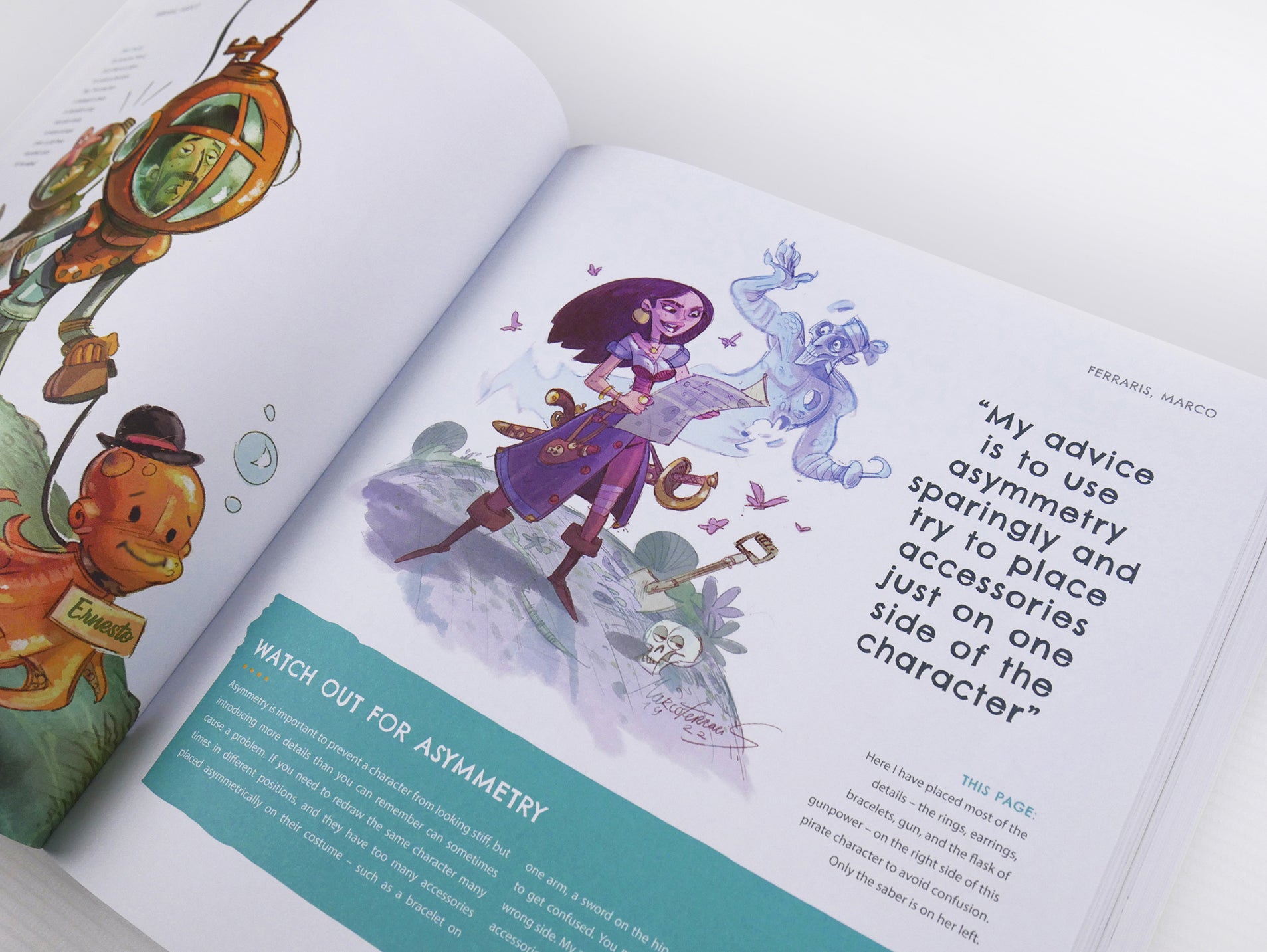
The Reader’s Imagination as Medium
When a story stops short, imagination completes the picture. And imagination is more vivid than any description.
The reader supplies:
- The final image
- The emotional conclusion
- The moral interpretation
The result is a story that feels personally tailored—because, in a sense, it is.
8. Philosophical Resonance: Meaning Without Final Truth
Unfinished tales resonate with philosophical traditions that reject absolute answers.
Against Finality
Many philosophies argue that:
- Truth is provisional
- Meaning is constructed
- Understanding is ongoing
An unfinished story embodies these ideas formally. It does not declare meaning; it demonstrates its openness.
Freedom Through Uncertainty
By refusing to conclude, unfinished tales resist dogma. They allow readers to sit with doubt rather than submit to certainty.
This can feel unsettling—but also liberating.
The story does not tell you what to think.
It asks you to think.
9. Memory, Time, and the Afterlife of Stories
Finished stories often end when the book closes. Unfinished ones continue to evolve in memory.
Memory as Reconstruction
Human memory is not a recording; it is a reconstruction. Unfinished narratives leave more room for this reconstruction to occur.
Over time:
- Interpretations shift
- Emotions deepen or soften
- Meanings multiply
The story grows with the reader.
Timelessness Through Incompletion
Because unfinished stories do not lock themselves into a single ending, they age differently. They remain adaptable, relevant across generations.
Their power is not exhausted in a single reading.
10. The Risk of Over-Completion
Completion is not inherently bad—but it carries risks.
When Endings Shrink Stories
A definitive ending can:
- Reduce complexity
- Simplify moral ambiguity
- Eliminate interpretive freedom
Once everything is explained, nothing remains to explore.
Trusting the Audience
Unfinished tales demonstrate trust. They assume the audience can tolerate uncertainty, wrestle with ambiguity, and create meaning without guidance.
This trust elevates the experience. It treats the reader not as a consumer, but as a thinker.
11. The Ethics of Leaving Things Unfinished
Not all unfinished stories are powerful. Some are merely incomplete.
Intentional vs Accidental Incompletion
Power emerges when unfinishedness is:
- Deliberate
- Meaningful
- Structurally integrated
An accidental lack of resolution frustrates. An intentional one provokes.
The difference lies in whether the narrative provides enough substance to support interpretation.
Responsibility Without Control
Leaving a story unfinished is an ethical choice. It relinquishes control over meaning and accepts multiplicity.
This humility is rare—and often rewarding.
12. Why We Return to Unfinished Tales
People revisit unfinished stories more often than finished ones.
Re-reading as Re-creation
Each return is an opportunity to complete the story anew. As we change, our endings change.
The story becomes a companion rather than a conclusion.
Endless Relevance
An unfinished tale does not age out of relevance. It waits, patiently, for the next reader to bring it back to life.
Conclusion: The Power That Refuses to End
Unfinished tales feel powerful because they do not end where the text ends.
They extend into:
- The reader’s mind
- The reader’s emotions
- The reader’s life
They activate curiosity instead of satisfying it. They respect uncertainty instead of erasing it. They mirror the unresolved nature of human existence.
In a world obsessed with answers, unfinished stories offer something rarer and more enduring: space.
Space to think.
Space to feel.
Space to imagine.
And in that space, meaning does not settle—it lives.