





Wild foraging is no longer just the domain of survivalists and eccentrics. From city parks to deep forests, people are increasingly drawn to the idea of finding their own food in nature. Yet, while the thrill of plucking berries, mushrooms, and edible plants is enticing, the question looms large: can foraging guides really teach you to eat safely in the wild? The answer is complex, blending science, experience, and a touch of caution. This article explores how professional foraging guides operate, the challenges of wild eating, and practical ways to gain skills while minimizing risk.
The Allure of Wild Eating
Imagine walking through a sun-dappled forest, the smell of damp earth and pine filling your senses, and discovering a patch of ripe blackberries or wild garlic. Eating food you’ve sourced yourself connects you to nature in a way supermarket shopping never can. For many, foraging offers:
- Sustainability: Wild foods often require no packaging, fertilizers, or transportation.
- Flavor adventure: Wild edibles can have more intense and unique flavors than cultivated varieties.
- Health benefits: Many wild plants are nutrient-rich and packed with antioxidants.
However, this adventure comes with a caveat: not every leaf or mushroom is safe. Mistakes can be costly or deadly. A foraging guide promises to navigate this risk, but how effective can they really be?
Who Are Foraging Guides?
A foraging guide is someone trained in the identification, preparation, and sometimes the ecological impact of wild edibles. Their background might include botany, ecology, culinary arts, or survival training. Guides can take many forms:
- Professional instructors: These individuals offer workshops or tours, often with certifications in wilderness safety or plant identification.
- Culinary foragers: Chefs who integrate wild foods into restaurants or cookbooks.
- Survival enthusiasts: Experts in edible and medicinal plants who also teach emergency preparedness.
The credibility of a guide depends heavily on their experience, depth of knowledge, and ability to teach identification clearly. A novice could be overwhelmed by conflicting information online, but a skilled guide provides practical hands-on learning.
Core Skills a Foraging Guide Teaches
1. Plant and Fungi Identification
The most fundamental skill is recognizing edible species. Guides teach through:
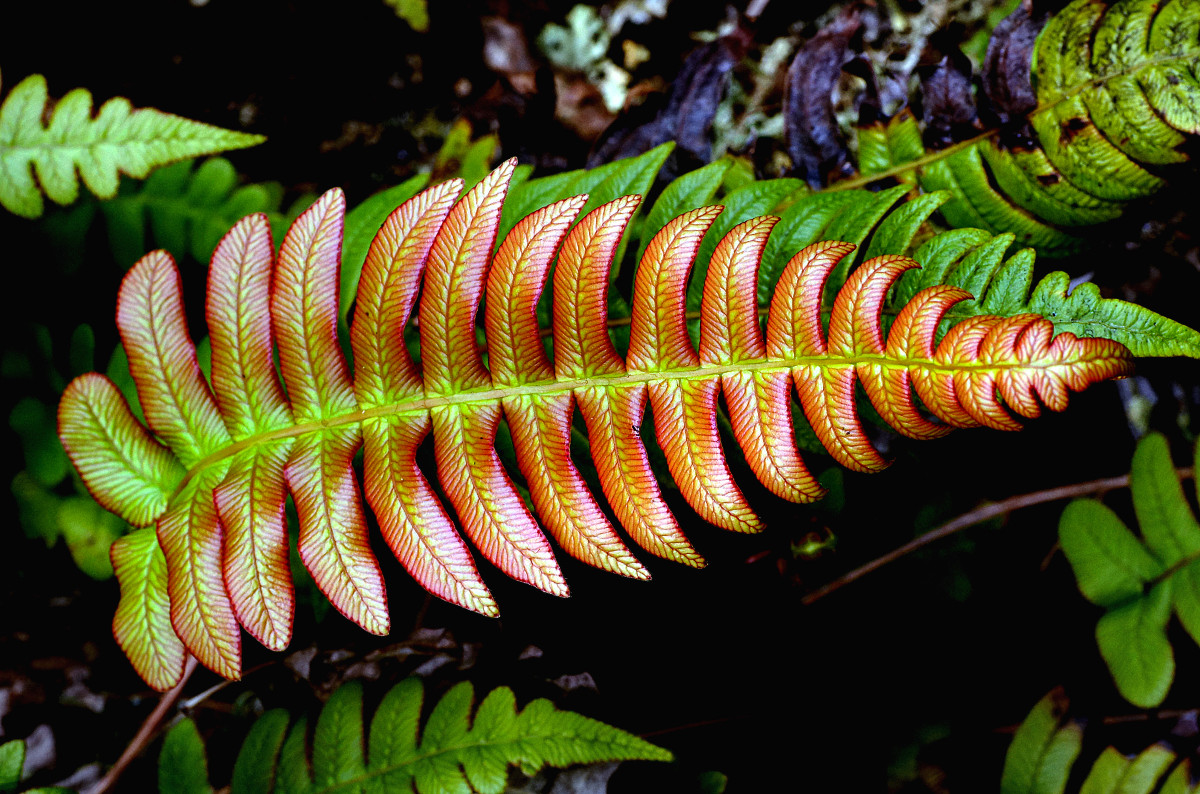
- Visual cues: Leaf shapes, color, stem patterns, flower structure, and spore prints in mushrooms.
- Seasonal indicators: Certain plants are edible only at specific times of year.
- Habitat knowledge: Understanding the environments in which different plants thrive helps avoid poisonous lookalikes.
Identification often involves repeated exposure. Seeing a single mushroom in isolation is not enough; guides encourage repeated, supervised collection to build intuition.
2. Avoiding Toxic Species
One of the biggest dangers in wild eating is confusing a safe plant with a toxic counterpart. Foraging guides stress:
- “When in doubt, leave it out” rule: Never consume a plant you cannot positively identify.
- Poisonous plant patterns: Many dangerous plants mimic edible ones. For instance, some wild carrots look like poisonous hemlock.
- Allergy awareness: Even edible wild plants can trigger allergies or gastrointestinal upset in some people.
Learning to spot the subtle differences can be life-saving. Guides often share stories of near misses to reinforce caution and memory retention.
3. Sustainable Foraging Practices
Safe foraging isn’t just about personal safety—it’s about preserving ecosystems. Responsible guides emphasize:
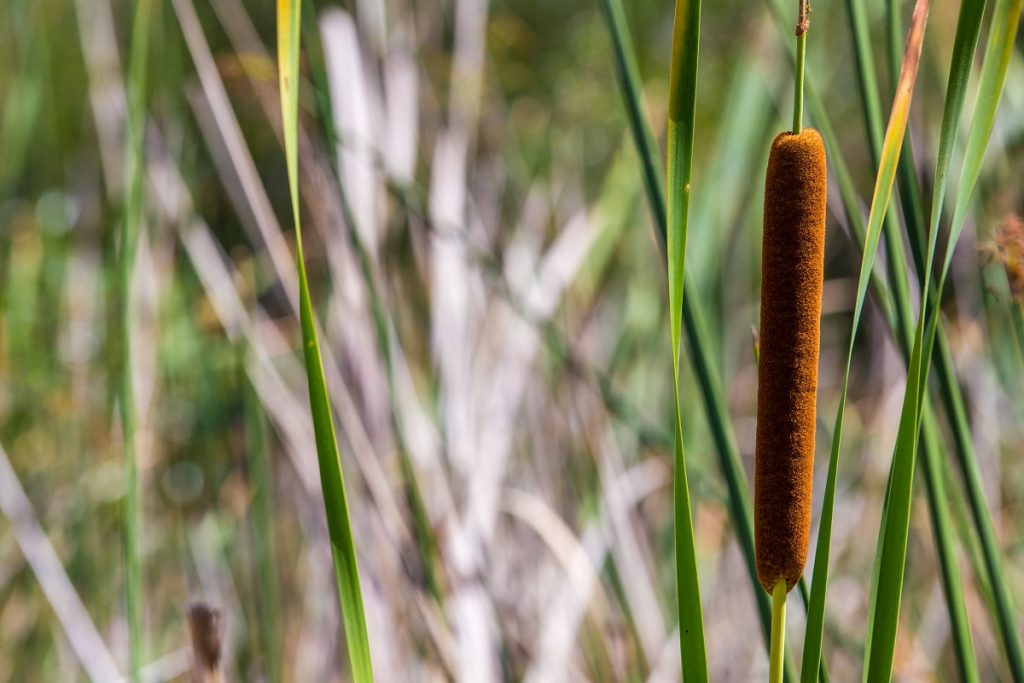
- Harvesting ethically: Taking only what you need and leaving enough for wildlife and regrowth.
- Seasonal awareness: Avoiding overharvesting during fragile growth periods.
- Minimizing habitat disturbance: Not trampling sensitive plants or soil.
These practices ensure wild food sources remain abundant and safe for future generations.
4. Preparation and Cooking Techniques
Some wild edibles are safe to touch but not to eat raw. Guides teach preparation methods such as:
- Boiling or blanching: Certain greens lose toxins when cooked.
- Soaking or fermenting: Some nuts, seeds, or roots require soaking to remove bitterness or toxins.
- Pairing with other ingredients: Some plants are more digestible when combined with fat, acid, or other foods.
Knowing how to process wild foods reduces risk and enhances flavor, bridging the gap between survival eating and gourmet cuisine.
5. Foraging Tools and Safety Gear
While foraging often seems low-tech, safety and efficiency improve with the right tools:
- Field guides and identification apps for reference.
- Gloves and small knives to minimize cuts or irritation from spines.
- Containers for sorting plants to avoid cross-contamination between edible and inedible species.
Guides often bring first-aid kits and educate participants about handling potential allergic reactions or minor injuries in the wild.
The Science Behind Safe Wild Eating
Foraging isn’t just common sense—it’s also science. Plant identification relies on botany, while mushroom safety requires mycology, the study of fungi. Key principles include:
- Chemical composition: Understanding which compounds make plants edible, toxic, or medicinal.
- Nutritional analysis: Many wild plants are dense in vitamins, minerals, and antioxidants.
- Toxicology: Guides teach which parts of a plant are safe, how much can be eaten, and how cooking alters compounds.
Even with guidance, wild foods carry inherent variability. Soil composition, rainfall, and pollution can change a plant’s chemical profile, so expert instruction is never a substitute for caution.
Limitations of Foraging Guides
Despite their expertise, foraging guides are not foolproof:
- Regional variation: A mushroom edible in one region may have a toxic lookalike elsewhere.
- Human error: Guides, like anyone else, can make mistakes.
- Individual reactions: Allergies, digestive sensitivity, and preexisting conditions can make “safe” foods risky for some participants.
Hence, guides often emphasize that participants take responsibility for their own choices, combining knowledge with personal judgment.
Learning Through Experience
Hands-on experience is essential. Guides often use immersive techniques such as:
- Guided walks: Direct observation of plants in their natural environment.
- Tasting sessions: Small, supervised bites to understand flavors and reactions.
- Seasonal repeat visits: Reinforcing knowledge across different growth cycles.

This repeated practice builds confidence and intuition—key for safe foraging beyond guided sessions.
Integrating Foraging into Daily Life
Once a person learns the basics, wild foods can enrich everyday life:
- Salads and soups: Fresh greens and herbs harvested responsibly.
- Fermented foods: Wild berries or herbs can be incorporated into creative recipes.
- Emergency preparedness: Knowledge of edible plants can provide an added safety net during outdoor adventures.
However, guides advise moderation. Overconsumption of wild foods, even edible ones, can lead to digestive upset or nutrient imbalance.
Ethical and Cultural Considerations
Foraging is not only about survival or gastronomy—it intersects with ethics and cultural knowledge:
- Indigenous wisdom: Many wild plants have been used for centuries by native communities. Respecting and acknowledging this heritage is critical.
- Private lands: Laws vary; some plants are protected, and trespassing carries penalties.
- Conservation awareness: Overharvesting or removing endangered species can have ecological consequences.
Good guides teach participants not only to eat safely but to forage responsibly within social, legal, and environmental frameworks.
Technology and Modern Foraging
Digital tools now complement traditional guidance:
- Apps for plant and mushroom ID using photos and AI recognition.
- Online communities for sharing experiences and warnings.
- GPS mapping to track safe and abundant foraging areas.
While technology is helpful, it cannot replace tactile learning, scent recognition, and the nuanced observation skills taught by in-person guides.
The Future of Safe Wild Eating
Interest in foraging is poised to grow, driven by environmental awareness, culinary curiosity, and health trends. Future developments may include:
- Certification programs for foraging guides to standardize safety and ethics.
- Urban foraging networks in cities that integrate wild foods into community gardens.
- Scientific studies quantifying nutritional and medicinal properties of wild plants.
This trend suggests that safe wild eating, under proper guidance, is not only achievable but could become a mainstream lifestyle choice.
Conclusion
So, can foraging guides teach safe wild eating? Absolutely—but with caveats. Guides equip learners with the skills to identify, harvest, and prepare wild foods responsibly. They instill habits that protect both participants and ecosystems. However, safety requires ongoing attention, personal judgment, and respect for nature’s variability. The combination of professional guidance, scientific knowledge, ethical awareness, and hands-on experience makes wild eating not only possible but enjoyable. With proper instruction and cautious curiosity, anyone can explore the forest pantry safely, tasting the vibrant flavors nature offers without compromising health or sustainability.