






Introduction: The Quiet Power of Where We Stand
Perspective is not merely a technical choice in storytelling; it is a moral instrument. It determines what we see, what we miss, and—perhaps most importantly—who we care about. When a narrative shifts perspective, it does more than rearrange information. It rearranges empathy. A character once distant may suddenly feel intimate; a hero may appear compromised; a villain may gain a pulse. These shifts can happen through point of view, narrative voice, temporal distance, focalization, or even stylistic changes. Each adjustment subtly recalibrates our emotional alignment.
The question, then, is not whether perspective shifts can change how we empathize with characters—they undeniably do—but how and why they do so. What mechanisms allow perspective to bend our moral compass? How do writers use perspective to cultivate, disrupt, or complicate empathy? And what does this reveal about empathy itself: is it stable, principled, or deeply contingent on narrative framing?
This essay explores perspective shifts as engines of empathy. Drawing from narrative theory, cognitive psychology, and literary practice, it examines how changes in viewpoint influence our emotional responses to characters. We will move from classical point-of-view distinctions to more complex forms of narrative reframing, considering not only what perspective reveals, but also what it withholds. Along the way, we will see that empathy is not a fixed response residing within the reader, but a dynamic process co-authored by narrative structure.
Understanding Empathy in Narrative Contexts
Before examining perspective shifts, it is essential to clarify what empathy means in the context of storytelling. Empathy is often loosely defined as “feeling with” a character, but this simplicity hides important distinctions. Scholars frequently differentiate between cognitive empathy—the ability to understand another’s mental state—and affective empathy, the capacity to share or mirror another’s emotions. Narratives engage both, but perspective determines the balance between them.
When a story grants us direct access to a character’s thoughts, emotions, and motivations, it encourages cognitive empathy by explaining why the character acts as they do. If the narrative also immerses us in the character’s emotional experience—through sensory detail, rhythm, or interior monologue—it fosters affective empathy. Perspective shifts modulate these forms of access. A shift may enhance understanding while dampening emotional resonance, or vice versa.
Crucially, empathy in narrative is selective. Readers empathize more readily with characters whose perspectives they inhabit, even if those characters behave immorally. This selectivity reveals a core truth: empathy is not inherently ethical. It is perspectival. To empathize is not necessarily to approve; it is to attend. Perspective determines the direction of that attention.
First-Person Perspective: Intimacy and Its Illusions
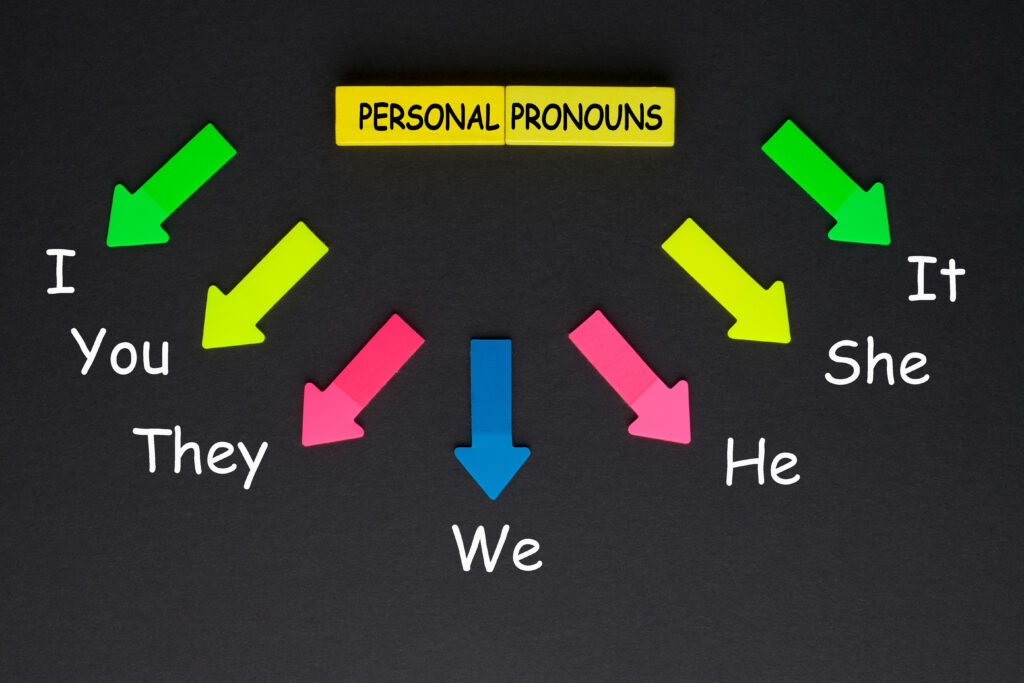
First-person narration is often associated with intimacy. By filtering the story through an “I,” the narrative creates the illusion of direct access to a character’s inner life. Thoughts appear unmediated; emotions feel immediate. This closeness tends to generate strong empathy, as readers experience events with the narrator rather than observing them from afar.
However, this intimacy is also deceptive. First-person narrators are limited by their knowledge, biases, and self-perceptions. They may misinterpret events, rationalize harmful behavior, or omit inconvenient truths. Perspective here does not guarantee accuracy; it guarantees proximity. Empathy generated through first-person narration is therefore intense but fragile, vulnerable to later revelations or contradictions.
When a narrative shifts away from first-person—introducing another viewpoint or revealing gaps in the narrator’s account—empathy can fracture. Readers may feel betrayed, forced to reassess their emotional investment. This reassessment is not merely intellectual; it is affective. We experience discomfort because our empathy was built on partial information.
Such shifts highlight a key function of perspective: it governs trust. First-person perspective invites trust through apparent transparency. When that trust is undermined, empathy must be renegotiated. The reader becomes aware not only of the character’s limitations, but of their own susceptibility to narrative framing.
Third-Person Limited: Controlled Access and Directed Sympathy
Third-person limited perspective occupies a middle ground between intimacy and distance. The narrative uses “he” or “she,” but confines access to the thoughts and perceptions of a single character. This structure allows for empathy without full identification. We are close enough to understand, but far enough to judge.
Perspective shifts within third-person limited narration—such as moving from one character’s consciousness to another’s—can dramatically reshape empathy. A character who seemed antagonistic when viewed externally may appear vulnerable when the focalization changes. Conversely, a sympathetic character may lose our favor when we see the consequences of their actions from another’s viewpoint.
This form of shifting perspective is particularly effective in ensemble narratives. By distributing focalization across multiple characters, the narrative encourages readers to practice empathic flexibility. We are asked not to choose a single emotional allegiance, but to hold multiple, sometimes conflicting, perspectives simultaneously.
Importantly, third-person limited perspective often naturalizes empathy by making it feel earned rather than imposed. We are not told how to feel; we are shown enough of a character’s inner world to arrive at empathy ourselves. When the perspective shifts, that sense of earned understanding is challenged, prompting reflection on the conditions under which empathy arises.
Omniscience and the Ethics of Knowing Too Much
Third-person omniscient narration offers the widest perspective, granting access to multiple minds, pasts, and futures. At first glance, this seems like the ultimate empathy machine: if we know everyone’s inner life, we can empathize with everyone. Yet omniscience introduces its own complexities.
When a narrative reveals too much, empathy can diffuse. Emotional investment may weaken because no single character anchors the reader’s experience. Alternatively, omniscience can create moral irony: we understand motivations that characters themselves do not, generating sympathy tinged with frustration or sadness.
Perspective shifts within omniscient narration are often subtle, occurring through changes in narrative focus or tone rather than explicit markers. These shifts can elevate minor characters, exposing hidden depths, or reduce major characters to objects of analysis. Empathy here becomes less visceral and more contemplative.
Omniscience also raises ethical questions about narrative authority. When the narrator knows all, whose perspective carries moral weight? The narrator’s? The characters’? The reader’s? Perspective shifts within omniscient narration can either reinforce a dominant moral framework or destabilize it by presenting competing value systems without resolution.
Second-Person Perspective: Forced Alignment and Uneasy Empathy
Second-person narration—addressing the reader as “you”—is less common but uniquely powerful. It collapses the distance between reader and character, forcing identification. Perspective shifts in second-person narratives can be particularly unsettling, as they implicate the reader in actions and emotions they might otherwise resist.
Empathy here is not gently invited; it is imposed. The reader is told what they think, feel, and do. This can generate intense affective responses, ranging from deep immersion to active rejection. When perspective shifts occur—such as revealing that “you” are not who you assumed—you experience a jolt of empathic dissonance.
This dissonance is instructive. It exposes the mechanics of empathy by making them uncomfortable. We become aware of how easily perspective can conscript us emotionally, and how resistant we become when that conscription violates our self-concept. Perspective shifts in second-person narratives thus serve as experiments in the limits of empathy.
Temporal Perspective Shifts: Empathy Across Time
Perspective is not only spatial or psychological; it is temporal. Narratives often shift between past and present, memory and anticipation. These temporal shifts alter empathy by reframing causality and responsibility.
When we encounter a character’s past after witnessing their present behavior, empathy often increases. Actions that seemed cruel or irrational acquire context. Conversely, when a narrative reveals future consequences, present actions may appear more tragic or more culpable.
Temporal perspective shifts can also create dramatic irony, where readers know outcomes that characters do not. This knowledge changes how we empathize: we may feel protective, sorrowful, or helpless. Empathy becomes anticipatory rather than reactive.
Importantly, temporal shifts remind us that characters, like people, are processes rather than states. Empathy deepens when we see not just who a character is, but who they were and who they might become. Perspective across time transforms characters from static figures into evolving moral agents.
Unreliable Narration and the Recalibration of Empathy
Unreliable narrators complicate empathy by destabilizing perspective. When we realize that a narrator’s account is flawed—due to bias, self-deception, or limited knowledge—we are forced to reinterpret everything we have felt.

This reinterpretation can reduce empathy, as we distance ourselves from a narrator we no longer trust. But it can also deepen empathy by revealing the narrator’s psychological vulnerabilities. Understanding why a narrator is unreliable often generates a different, more complex form of empathy.
Perspective shifts play a crucial role here. The moment of unreliability is itself a shift—a crack in the narrative lens. Sometimes this shift is explicit, marked by contradictory evidence. Other times it is gradual, emerging through tonal inconsistencies or narrative gaps.
In these moments, empathy becomes reflective. We are no longer simply feeling with a character; we are thinking about how we came to feel that way. This meta-empathic awareness enhances our understanding of both narrative and human psychology.
Peripheral Perspectives: When Minor Characters Take Center Stage
One of the most striking uses of perspective shifts involves elevating peripheral characters. When a narrative suddenly adopts the viewpoint of a character previously treated as background, empathy expands laterally.
This expansion has ethical implications. It challenges hierarchical storytelling, where only certain lives are deemed worthy of interiority. By granting perspective to the marginalized, the overlooked, or the silenced, narratives redistribute empathic attention.
Such shifts often reveal the unintended consequences of the protagonist’s actions. A decision framed as heroic from one perspective may appear careless or harmful from another. Empathy becomes plural rather than singular, resisting easy moral conclusions.
These perspective shifts also mirror real-world dynamics. In life, we rarely have access to the inner lives of those affected by our actions. Narratives that simulate this access encourage readers to imagine beyond their habitual empathic boundaries.
Style as Perspective: Language, Distance, and Emotional Texture
Perspective is not only about who sees, but how seeing is rendered. Stylistic choices—sentence length, metaphor, diction—shape empathic response. A shift in style can function as a shift in perspective even when the focal character remains the same.
For example, a sudden move from lyrical prose to stark minimalism can signal emotional withdrawal or shock. Readers adjust their empathy accordingly, sensing changes in a character’s internal state through language rather than explicit exposition.
Similarly, ironic or detached narration creates emotional distance, limiting empathy. When that distance collapses—through a moment of vulnerability or stylistic intimacy—empathy surges. Perspective here operates at the level of texture, not structure.
Recognizing style as perspective underscores the idea that empathy is not triggered by information alone. It is shaped by rhythm, tone, and aesthetic experience. Perspective shifts recalibrate these elements, altering how emotions are transmitted.
Reader Perspective: The Invisible Variable
No discussion of empathy is complete without considering the reader’s own perspective. Readers bring their histories, values, and identities to the text. Perspective shifts interact with these factors, sometimes reinforcing empathy, sometimes resisting it.
A shift that invites empathy for a character may succeed with one reader and fail with another. This variability does not negate the power of perspective; it highlights its relational nature. Empathy emerges at the intersection of narrative design and reader disposition.
Skilled narratives anticipate this variability. By offering multiple perspectives, they create multiple entry points for empathy. Readers may not empathize with every character, but they are likely to empathize with someone. Perspective shifts thus function as inclusive strategies, broadening the emotional reach of the story.
At the same time, perspective shifts can challenge readers, confronting them with viewpoints that disrupt their assumptions. This discomfort is productive. It reveals empathy not as a passive feeling, but as an active, sometimes effortful practice.
The Limits of Empathy and the Responsibility of Perspective
While perspective shifts can enhance empathy, they also reveal its limits. Not all perspectives generate empathy, nor should they. Some narratives deliberately restrict empathy to provoke moral judgment or critical distance.
This raises questions about responsibility. When a narrative invites empathy for harmful characters, is it endorsing their actions? The answer depends on how perspective is framed. Empathy does not require approval, but narratives must navigate this distinction carefully.
Perspective shifts can clarify this boundary by juxtaposing empathy with consequence. By allowing readers to understand a character’s motivations while also witnessing the impact of their actions, narratives foster nuanced moral engagement.
Ultimately, perspective is a tool. Like any tool, it can be used ethically or irresponsibly. Its power to shape empathy demands attentiveness from both writers and readers.
Conclusion: Empathy as a Moving Target
So, can perspective shifts change how we empathize with characters? Not only can they—they are one of the primary ways empathy is created, challenged, and transformed in narrative. Perspective determines access, alignment, and emotional texture. When it shifts, empathy shifts with it.
These changes reveal empathy as dynamic rather than static, contextual rather than absolute. We empathize not because characters deserve it in some universal sense, but because narratives position us to see, feel, and understand in particular ways.
By examining perspective shifts, we become more conscious readers. We recognize how our emotions are guided, how our judgments are influenced, and how easily our sympathies can be redirected. This awareness does not diminish empathy; it refines it.
In the end, perspective shifts do more than change how we empathize with characters. They teach us something essential about empathy itself: that it is not a fixed moral resource we either have or lack, but a flexible capacity shaped by where—and how—we are invited to stand.