





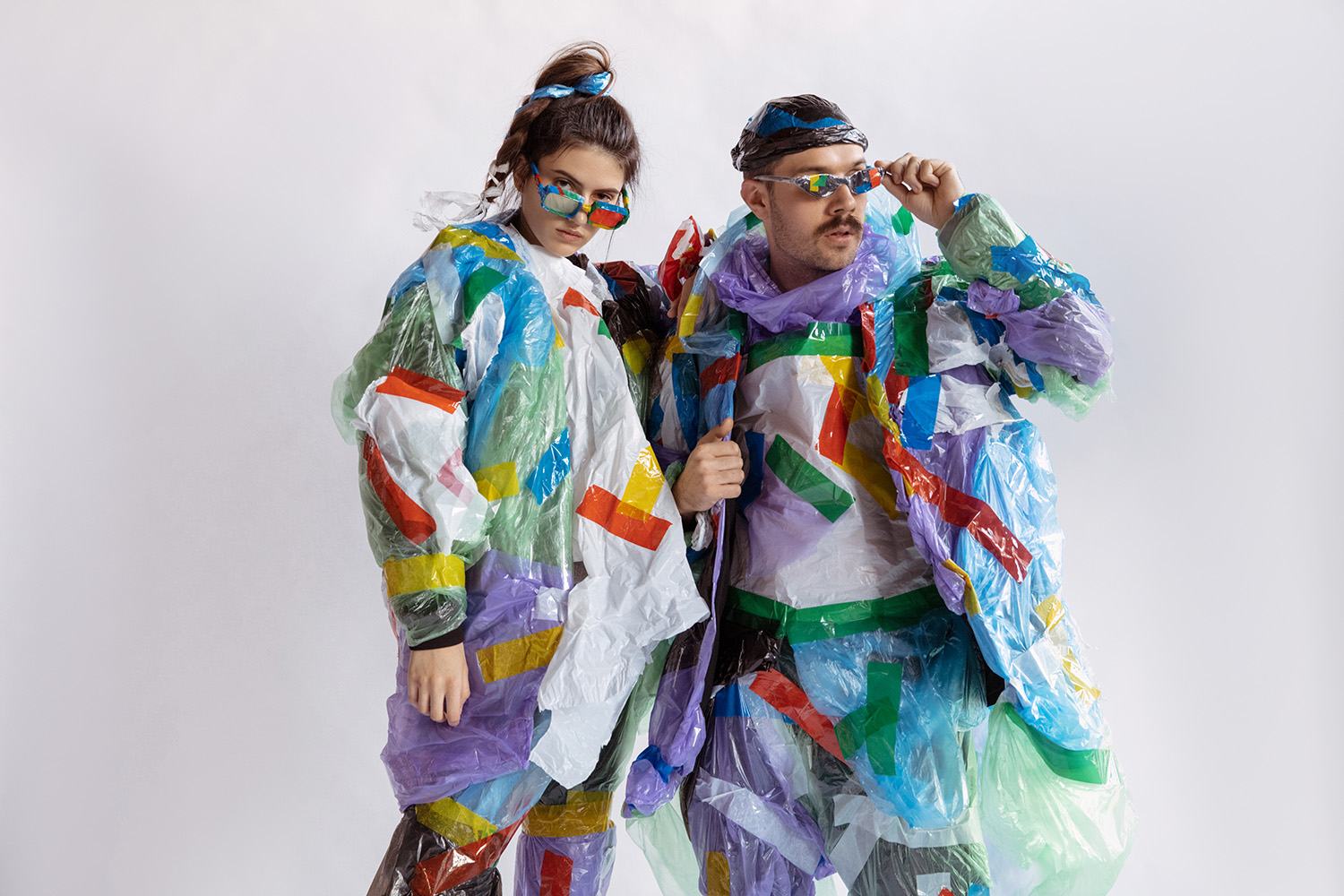

In a world dominated by fast fashion, overflowing closets, and fleeting trends, the idea of a capsule wardrobe emerges as both a whisper of simplicity and a loud declaration of style. But what exactly is it? Is it a revolutionary movement transforming the fashion industry, or is it merely a convenient solution for those tired of decision fatigue? To answer this, we must unravel its history, philosophy, environmental implications, economic logic, and psychological effects. Only then can we decide whether the capsule wardrobe is truly a fashion revolution or simply a practical convenience.
The Capsule Wardrobe Concept
The capsule wardrobe is a carefully curated collection of essential clothing pieces that are timeless, versatile, and interchangeable. The term was popularized by Susie Faux, a London boutique owner, in the 1970s, but it gained global attention when designer Donna Karan introduced the idea of a “7 easy pieces” wardrobe in the 1980s. In essence, it is about owning fewer but higher-quality items that can be mixed and matched to create a multitude of outfits.
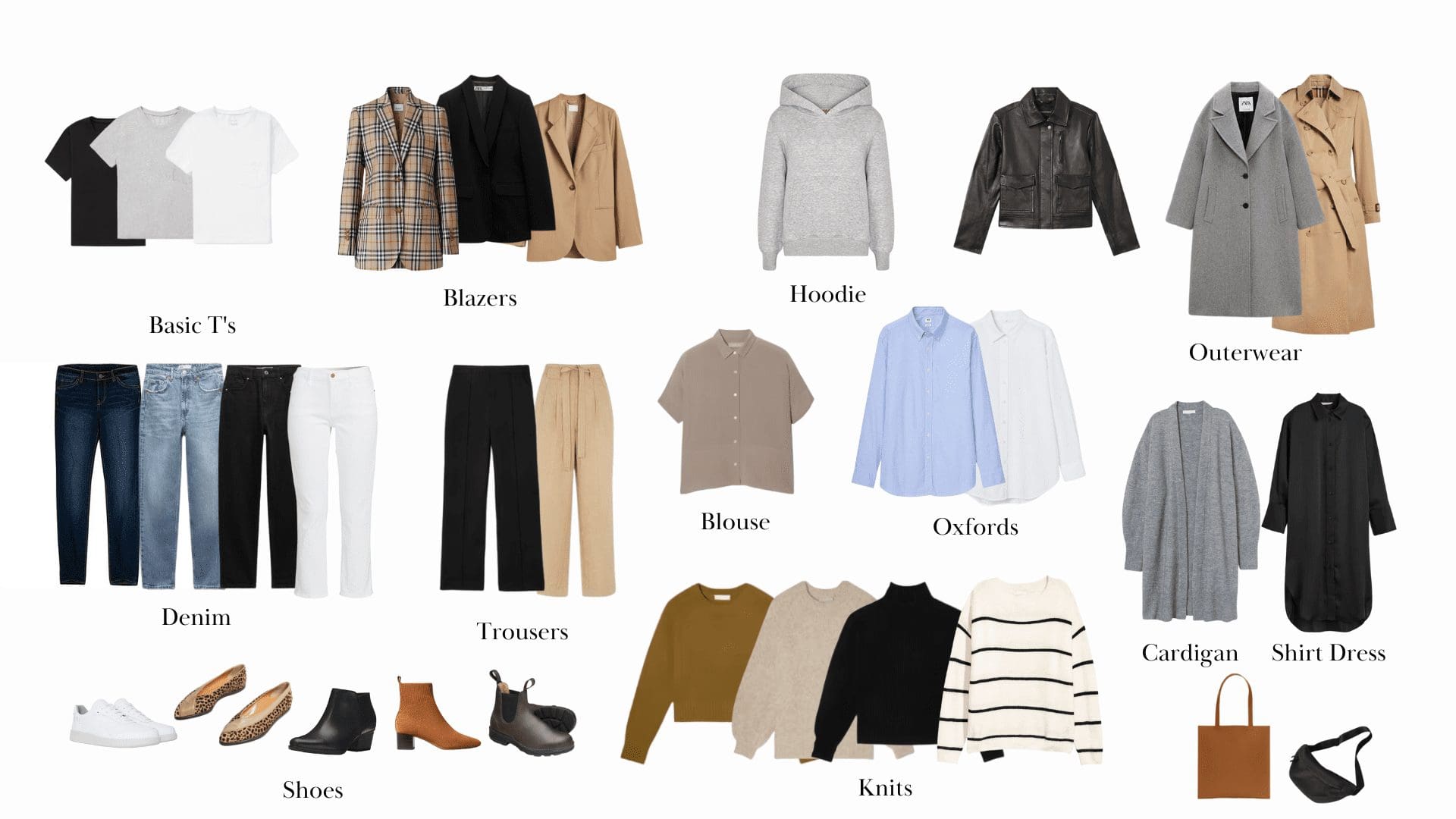
Typically, a capsule wardrobe includes staples like a well-fitted blazer, neutral trousers, classic denim, quality knitwear, versatile dresses, and a few statement pieces. The number of items usually ranges between 30 to 50 per season, depending on personal preference. Unlike fast fashion, which encourages frequent, impulsive purchases, a capsule wardrobe emphasizes intentionality, longevity, and functionality.
This model promises clarity: open your closet, and every item is something you love, fits perfectly, and can be worn in multiple ways. But beyond convenience, there lies a question of impact—on the individual, society, and environment.
Historical Roots: From Minimalism to Mainstream
To understand whether a capsule wardrobe is revolutionary, one must trace its roots. Minimalism in clothing is not new. Philosophers, artists, and designers have long advocated for simplicity. Coco Chanel, for instance, championed timeless pieces that transcended seasonal trends, while the 1960s saw a cultural shift toward practical fashion for women entering the workforce.
Susie Faux’s concept was initially targeted at urban professionals seeking functional sophistication. Yet, the 1980s and 1990s expansion of fast fashion temporarily overshadowed minimalist ideals. Brands like H&M, Zara, and Forever 21 created an environment where clothing turnover was celebrated, not questioned. The capsule wardrobe, in response, positioned itself as a counter-movement: deliberate, intentional, and resistant to the whims of trend cycles.
By the 2010s, the capsule wardrobe entered mainstream consciousness, fueled by social media influencers, lifestyle bloggers, and sustainable fashion advocates. Its spread was less about marketing dollars and more about a cultural longing for simplicity in an increasingly complex world. Here, the seeds of revolution were planted—not only in fashion choices but in lifestyle philosophy.
Convenience vs. Conscious Choice
It is undeniable that capsule wardrobes offer unmatched convenience. With fewer pieces, decision-making is streamlined. The mental energy required to pick an outfit diminishes, morning routines accelerate, and stress levels reduce. The “one decision a day” problem—what to wear—is essentially solved.
However, convenience alone does not equate to a revolution. The revolutionary potential lies in conscious consumption. By choosing timeless, versatile pieces, consumers disrupt the fast fashion cycle, reduce waste, and elevate awareness about production ethics. A well-curated wardrobe can subtly shift a person’s mindset from instant gratification to long-term value appreciation.
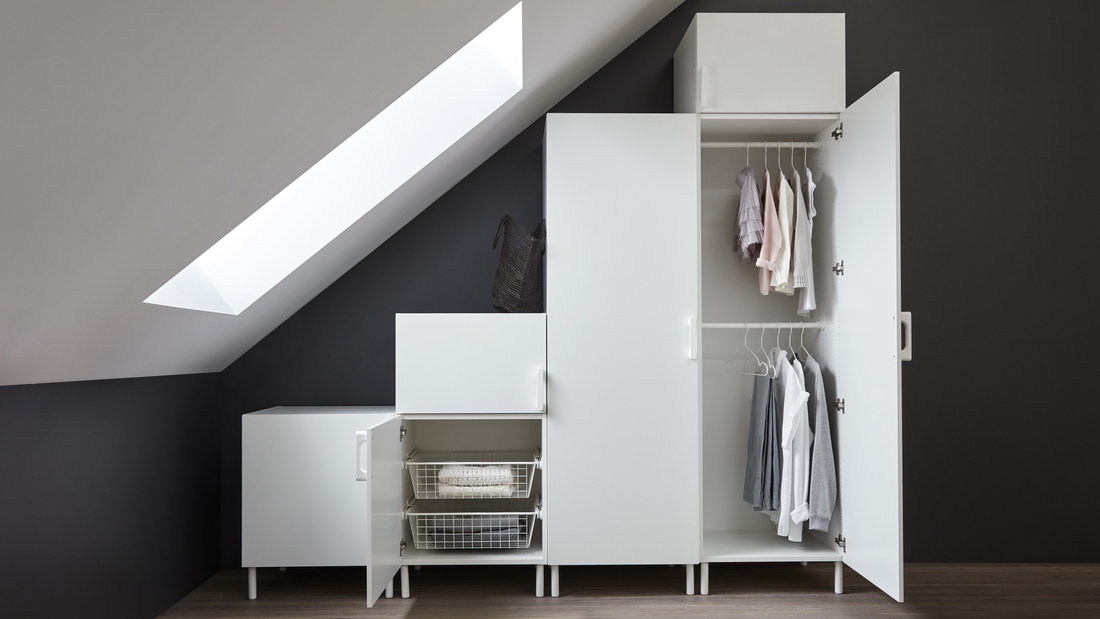
Yet, convenience and revolution are not mutually exclusive. For some, starting a capsule wardrobe for convenience may unintentionally lead to more profound ethical and sustainable habits. This duality is part of what makes the movement both pragmatic and philosophically intriguing.
Environmental Impact: More Than Just a Trend
Fast fashion is notoriously resource-intensive. According to industry reports, producing a single cotton shirt requires approximately 2,700 liters of water, and the average consumer discards 70 pounds of clothing per year. A capsule wardrobe, by contrast, encourages fewer, higher-quality purchases.
Investing in durable pieces reduces the frequency of replacements, directly decreasing textile waste. Beyond waste reduction, ethical sourcing of materials often accompanies capsule philosophies. Fabrics like organic cotton, recycled polyester, or sustainably tanned leather reduce environmental footprints.
While some critics argue that not everyone can afford high-quality basics, the long-term ecological payoff is substantial. Capsule wardrobes represent a small yet meaningful rebellion against a system that prioritizes quantity over sustainability. In this sense, the wardrobe becomes more than clothing—it becomes a tool for environmental activism.
Economic Considerations: Quality vs. Quantity
The financial argument is compelling. On the surface, fewer items mean less spending. However, high-quality, versatile pieces can come with higher upfront costs. A blazer that lasts ten years may cost five times a fast fashion alternative, but the long-term savings are significant.
Moreover, the capsule model challenges the consumerist mindset. It encourages strategic spending: investing in items that offer maximum utility rather than impulse-driven, fleeting trends. For those disciplined enough to adopt it, the capsule wardrobe can shift personal finances from short-term consumption to sustainable investment.
Interestingly, some people adopt capsule wardrobes not for sustainability, but purely for economic efficiency. Even in these cases, the model inadvertently supports more ethical production patterns by favoring quality over quantity—a subtle revolution in consumer behavior.
Psychological and Lifestyle Benefits
A capsule wardrobe does more than declutter closets—it declutters the mind. Studies on decision fatigue show that humans have a limited number of daily choices they can handle efficiently. Reducing trivial decisions, like outfit selection, frees cognitive space for more meaningful pursuits.
Psychologically, a minimalist wardrobe fosters confidence. When every piece fits perfectly and matches effortlessly, anxiety about appearance diminishes. Furthermore, adopting this lifestyle can trigger positive habits in other areas: organized living spaces, mindful consumption, and even healthier routines.
Lifestyle alignment is another subtle revolutionary aspect. By prioritizing function, comfort, and aesthetics, the wardrobe becomes a reflection of personal values. For some, this shift transforms the way they engage with fashion, challenging the traditional emphasis on excess and novelty.
Criticisms and Limitations
Despite its benefits, the capsule wardrobe is not without criticism. Some argue it can reinforce a homogenized aesthetic, prioritizing neutral colors and conservative styles over personal expression. Critics also point out that the high entry cost for quality items can make it inaccessible for lower-income individuals.
Additionally, the environmental benefits are contingent on actual behavior. Owning fewer clothes does not automatically equate to sustainability if items are still replaced frequently or if the materials themselves are unsustainable.
There’s also the social angle: in some cultures, variety and abundance are symbols of status or identity. A pared-down wardrobe may clash with these norms, highlighting that revolutionary intent does not guarantee universal impact.
Capsule Wardrobe as a Cultural Statement
Beyond practicality, the capsule wardrobe can be seen as a cultural statement—a rebellion against fast fashion and the mass consumer mindset. It emphasizes individuality through intentionality rather than accumulation. Each garment is chosen for its fit, function, and ethical alignment, not merely for its label or trendiness.
This cultural shift is subtle but profound. It questions the status quo of seasonal obsolescence, advertising-driven desire, and disposable lifestyles. By embracing fewer items, consumers signal that style is not about quantity but quality, creativity, and thoughtfulness.
In this light, the capsule wardrobe functions as both personal convenience and quiet activism, challenging conventional definitions of fashion success.
Fashion Industry Implications
If widely adopted, capsule wardrobes could significantly disrupt the fashion industry. Fewer purchases mean slower inventory turnover, reduced production demands, and pressure on brands to prioritize quality and sustainability. This could encourage the rise of ethical fashion labels, repair services, and rental models.
Some brands have already recognized this potential, offering modular collections designed for mix-and-match versatility. Others market durable, high-quality items at premium prices, appealing to a consumer base aligned with capsule principles.
Yet, the scale of disruption depends on adoption rates. While small communities of enthusiasts exist, mainstream fast fashion remains dominant. The revolutionary potential is therefore more philosophical than industrial—an emerging paradigm rather than a completed overhaul.
The Future of Capsule Wardrobes
Looking ahead, capsule wardrobes may evolve from niche lifestyle choice to global movement. Integration with sustainable fabrics, digital wardrobe management apps, and rental or resale marketplaces could amplify its impact. Technological innovation, such as AI-assisted style recommendations and on-demand tailoring, may further streamline the experience, merging convenience with ethical consumption.
However, the ultimate success of the capsule wardrobe movement hinges on mindset shifts. Convenience may draw users in, but long-term adherence requires value alignment with sustainability, minimalism, and thoughtful consumption. The revolution is as much mental as material.
Conclusion: Revolution or Convenience?
So, is the capsule wardrobe a fashion revolution or just convenience? The answer is nuanced: it is both.
On one hand, it offers undeniable convenience—streamlined decision-making, decluttered closets, and simplified lifestyles. On the other, it embodies a quiet revolution, challenging the norms of fast fashion, consumerism, and unsustainable practices. Its impact spans environmental, economic, psychological, and cultural dimensions, making it far more than a passing trend.
The beauty of the capsule wardrobe lies in its dual nature. It does not demand radical action, yet it fosters reflection and intentionality. It is accessible, yet aspirational. In this blend of pragmatism and idealism, the capsule wardrobe may not overthrow the fashion industry overnight, but it plants seeds of lasting change—one thoughtfully chosen garment at a time.