





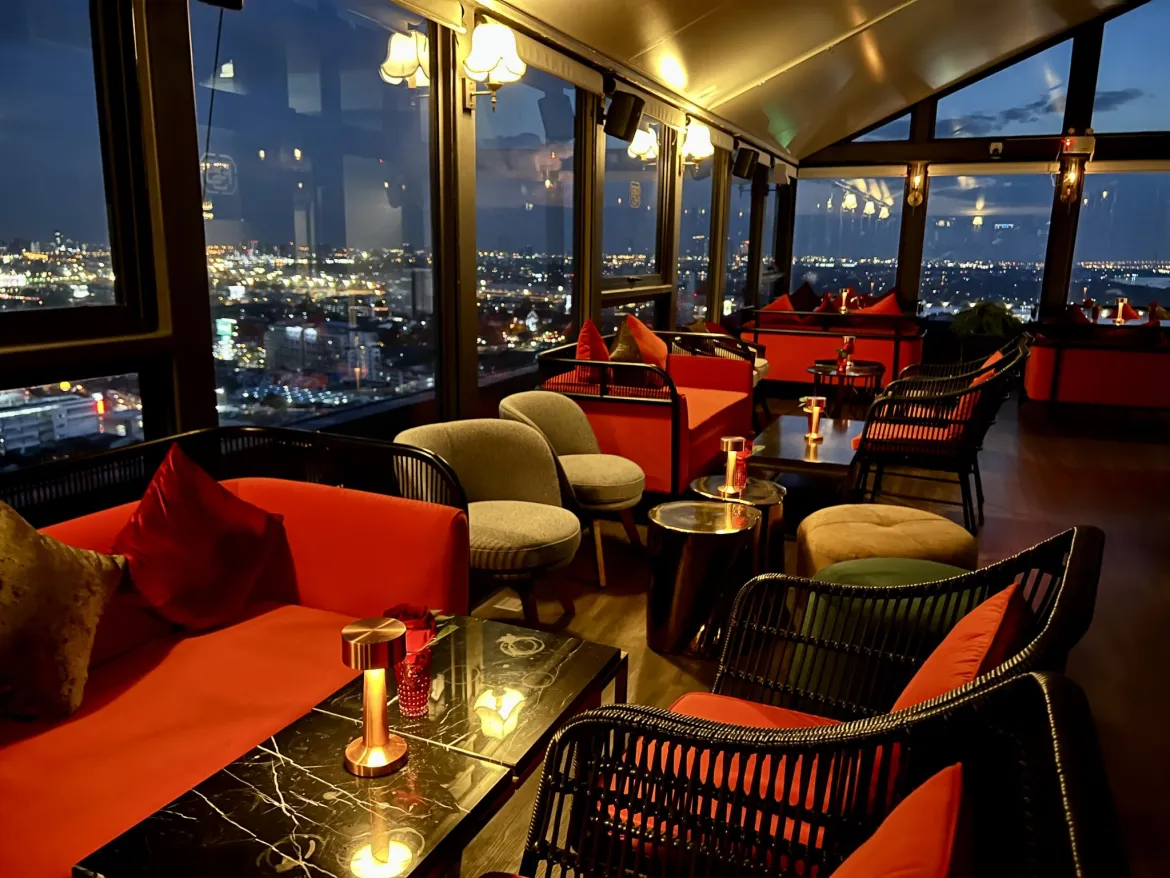

Rooftop bars have long promised an elevated experience—literally and figuratively. But in recent years, a particular subgenre has captured the imaginations of urban explorers, cocktail connoisseurs, and social media storytellers alike: the secret rooftop bar. These are not the places you stumble upon while looking for a restroom or following a neon sign from the street. They hide behind unmarked doors, inside freight elevators, at the top of emergency stairwells, or beyond a discreet concierge nod. To reach them, you often climb narrow steps, swipe through dim hallways, or decode instructions that feel like part of a scavenger hunt.
The question is simple, yet surprisingly complex: are secret rooftop bars worth the hidden staircases? Do the extra steps translate into better drinks, richer atmospheres, and more memorable nights—or are they just clever marketing wrapped in mystery?
This article takes a deep, professional, and curious look at the phenomenon. We’ll explore design philosophy, psychology, hospitality strategy, urban planning constraints, cocktail craftsmanship, and the social value of secrecy. We’ll also consider the downsides: accessibility, safety, cost, and whether exclusivity sometimes undermines genuine enjoyment. By the end, you’ll have a clear framework to decide whether the climb is worth it—for you.
The Rise of the Secret Rooftop Bar
Rooftop bars are not new. From grand hotel terraces in early 20th-century cities to modern sky lounges, the desire to drink above the streets has always existed. What is new is the deliberate secrecy.
This trend borrows elements from:
- Speakeasy culture, where hidden venues added excitement and rebellion.
- Experiential hospitality, which emphasizes stories over transactions.
- Urban density, where vertical space is often more available than street-level real estate.
- Digital fatigue, where people crave experiences that feel “undiscovered.”
Secret rooftop bars emerged at the intersection of these forces. They promise not just a drink, but a journey—one that begins with uncertainty and ends with a view.
The Psychology of the Hidden Entrance
To understand why people are willing to climb five flights of stairs or wander through a service corridor, we need to look at psychology.
Effort Enhances Value
There is a well-documented cognitive effect: people value outcomes more when they invest effort. The hidden staircase becomes part of the product. When you finally step onto the rooftop, drink in hand, the experience feels earned rather than handed to you.
Discovery Feels Personal
Unlike street-facing bars that advertise loudly, secret rooftop bars feel like your find—even if thousands of others know about them. The lack of obvious signage creates a sense of intimacy and ownership.
Anticipation Amplifies Pleasure
The climb builds suspense. Each step heightens curiosity: Is this the right door? Are we lost? What’s waiting at the top? When anticipation peaks, even a good view can feel extraordinary.
Architectural Constraints Turned Into Features
In many cities, rooftop bars are born not from grand design plans but from constraints.
Zoning and Historical Buildings
Older buildings often prohibit visible rooftop structures or large signage. What could be a limitation becomes a branding advantage: if you can’t advertise loudly, you advertise quietly—and cleverly.
Service Elevators and Fire Stairs
Instead of installing expensive public elevators, many venues repurpose existing infrastructure. The industrial feel—exposed concrete, metal railings, low lighting—adds authenticity and texture.
Vertical Storytelling
The ascent itself becomes a narrative arc:
- Street-level anonymity
- Transitional corridors
- Dim staircases
- Sudden openness and sky
Good rooftop bars design this progression intentionally, guiding mood and expectation.
Design Philosophy: Intimacy Above the City
One of the defining traits of secret rooftop bars is scale. They are rarely massive.
Smaller Spaces, Sharper Focus
Limited space encourages:
- Thoughtful furniture placement
- Controlled lighting
- Curated music rather than loud playlists
Instead of overwhelming guests, these bars aim to cocoon them.
Visual Framing Over Panoramas
Rather than offering a full 360-degree skyline, many secret rooftops frame specific views: a cathedral spire, a river bend, a cluster of skyscrapers. This selective approach feels more cinematic and intentional.
Materials That Whisper, Not Shout
Design elements often include:
- Weathered wood
- Matte metals
- Soft textiles
- Subtle greenery
The goal is to feel discovered, not flashy.
Cocktails: Are They Actually Better?
A hidden location sets high expectations. The drinks must justify the effort.
Why Many Secret Rooftop Bars Excel at Cocktails
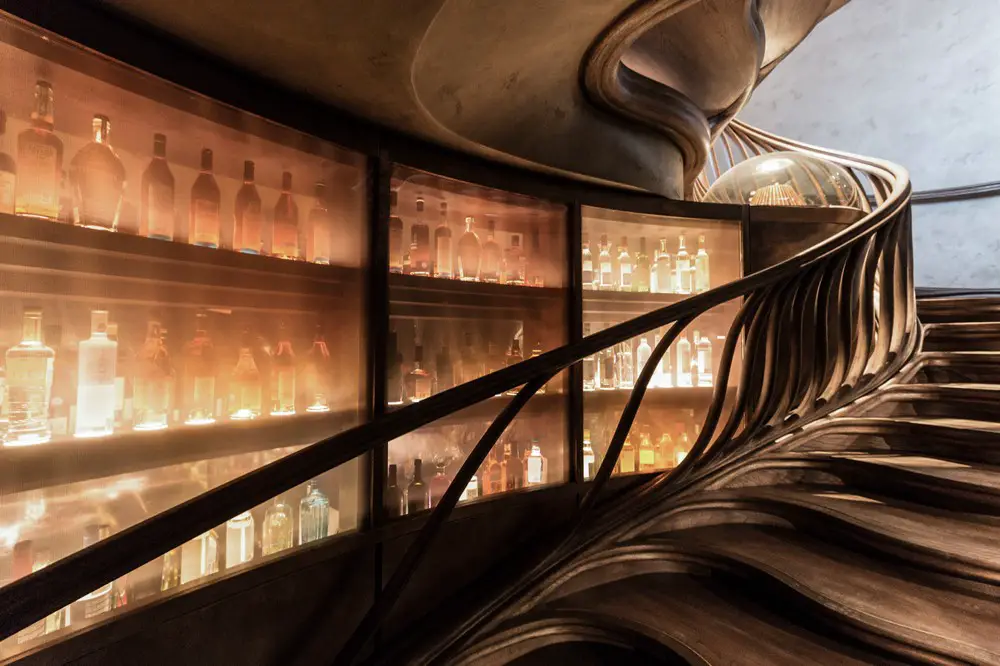
- Lower Volume, Higher Skill
Smaller capacity means bartenders can focus on precision rather than speed. - Curated Menus
Instead of endless options, menus are often tight, seasonal, and thematic. - Storytelling Through Drinks
Cocktails may reference the building’s history, neighborhood culture, or the concept of elevation and concealment. - Investment in Technique
Clarified juices, house infusions, custom ice, and rare spirits are common.
When the Drinks Fall Short
Not all hidden rooftop bars deliver. Some rely too heavily on the “secret” label, serving average cocktails at premium prices. In these cases, the staircase feels less like a journey and more like a prank.
Sound, Silence, and the Luxury of Distance
One underrated advantage of rooftop bars—especially hidden ones—is acoustic separation.
Escaping the City Without Leaving It
Elevated spaces naturally reduce street noise. When combined with thoughtful sound design, the result is a calmer, more conversational atmosphere.
Music as Atmosphere, Not Domination
Secret rooftop bars often favor:
- Low-tempo electronic
- Jazz-inflected beats
- Ambient or downtempo playlists
The music supports the mood instead of competing with it.
Social Dynamics: Who Are These Bars Really For?
Despite their allure, secret rooftop bars are not universally appealing.
The Appeal
They attract:
- Design-conscious travelers
- Cocktail enthusiasts
- Couples seeking intimacy
- Small groups valuing conversation over spectacle
The Friction
They may deter:
- Large parties
- Guests with mobility concerns
- Those who prefer spontaneous, visible venues
- Anyone uncomfortable with ambiguity or effort
This self-selection reinforces exclusivity—but also limits inclusiveness.
Accessibility: The Unspoken Cost of Secrecy
Hidden staircases are romantic, but they raise serious questions.
Physical Accessibility
Many secret rooftop bars are difficult or impossible to access for:

- Wheelchair users
- People with limited mobility
- Guests with certain health conditions
This isn’t always intentional exclusion, but the result is the same.
Psychological Barriers
Some guests feel uncomfortable:
- Not knowing where they’re going
- Worrying they’re in the wrong place
- Feeling “not cool enough” for the venue
Hospitality should welcome, not intimidate.
Safety and Responsibility Above the Streets
Operating a rooftop bar—especially a hidden one—comes with heightened responsibility.
Crowd Management
Limited entrances and exits require:
- Strict capacity control
- Well-trained staff
- Clear emergency protocols
Weather Awareness
Wind, rain, and temperature changes affect rooftops more intensely. Professional venues plan for rapid transitions and guest comfort.
Alcohol and Height
Responsible service is non-negotiable. Good rooftop bars balance atmosphere with vigilance.
Pricing: Paying for the Climb
Secret rooftop bars are rarely cheap.
What You’re Paying For
- Real estate premiums
- Design and construction complexity
- Skilled staff
- Lower guest turnover
When Prices Feel Fair
Pricing feels justified when:
- Cocktails are inventive and balanced
- Service is attentive
- Atmosphere feels intentional
- Views or ambiance are genuinely special
When any of these are missing, the bill feels heavier than the stairs.
The Role of Social Media: Secret, But Not Invisible
Ironically, many “secret” rooftop bars thrive because of visibility—just not traditional advertising.
Curated Exposure
Instead of billboards, they rely on:
- Word of mouth
- Carefully framed photos
- Subtle online presence
The goal is controlled discovery, not mass appeal.
The Risk of Overexposure
When a secret becomes too popular:
- Wait times increase
- Intimacy decreases
- Service quality can suffer
Some venues adapt by changing entrances, limiting reservations, or rotating concepts.
Are They Worth It? A Practical Evaluation Framework
To decide whether a secret rooftop bar is worth the hidden staircase, consider these five criteria:
- Experience Density
Does the overall experience—design, drinks, service, atmosphere—feel richer than a standard bar? - Authenticity
Does the secrecy feel organic, or artificially imposed for marketing? - Comfort vs. Challenge
Is the journey engaging without being exhausting or exclusionary? - Value Alignment
Do the prices match the quality and care delivered? - Memory Factor
Will you remember this place in six months?
If the answer is “yes” to most of these, the climb was likely worth it.
When a Hidden Staircase Becomes a Highlight
The best secret rooftop bars don’t just reward effort—they transform it. The staircase isn’t an obstacle; it’s a threshold. Crossing it shifts your mindset, preparing you for something different from the street below.
At their best, these bars remind us that cities still have layers, that discovery is possible even in familiar places, and that sometimes the best views—of skylines or moments—require a little effort.
Final Verdict: Worth It, With Conditions
So, are secret rooftop bars worth the hidden staircases?
Yes—when the secrecy serves the experience, not the ego of the venue.
Yes—when craftsmanship, hospitality, and design justify the climb.
Yes—when the bar feels like a discovery rather than a test.
But they are not universally better, nor universally accessible. The magic fades quickly if the drinks are careless, the staff indifferent, or the concept hollow.
In the end, the staircase is a promise. Whether it’s kept depends on what awaits at the top.