






Wildlife photography has exploded over the past two decades. From glossy coffee-table books to social media feeds filled with dramatic animal portraits, the modern wildlife photographer is often seen as a quiet explorer—someone who knows where animals go, how they move, and when they will appear. Alongside this boom has come a new profession: the wildlife photography guide. These guides promise to take clients into the field and help them capture extraordinary images of elusive animals.
But beneath the surface of lens choices, lighting angles, and composition tips lies a deeper question—one that matters to photographers, conservationists, and outdoor learners alike:
Can wildlife photography guides teach real tracking skills?
The short answer is: sometimes, and sometimes exceptionally well. The long answer is far more interesting. To understand it, we need to unpack what “real tracking skills” actually are, how photography guides operate in the field, and where genuine tracking knowledge overlaps—or conflicts—with the goals of photography.
This article explores that intersection in depth, examining the strengths, limitations, and surprising potential of wildlife photography guides as teachers of authentic animal tracking.
What Do We Mean by “Real Tracking Skills”?
Before judging whether photography guides can teach tracking, we must clarify what tracking actually involves.
Tracking Is More Than Following Footprints
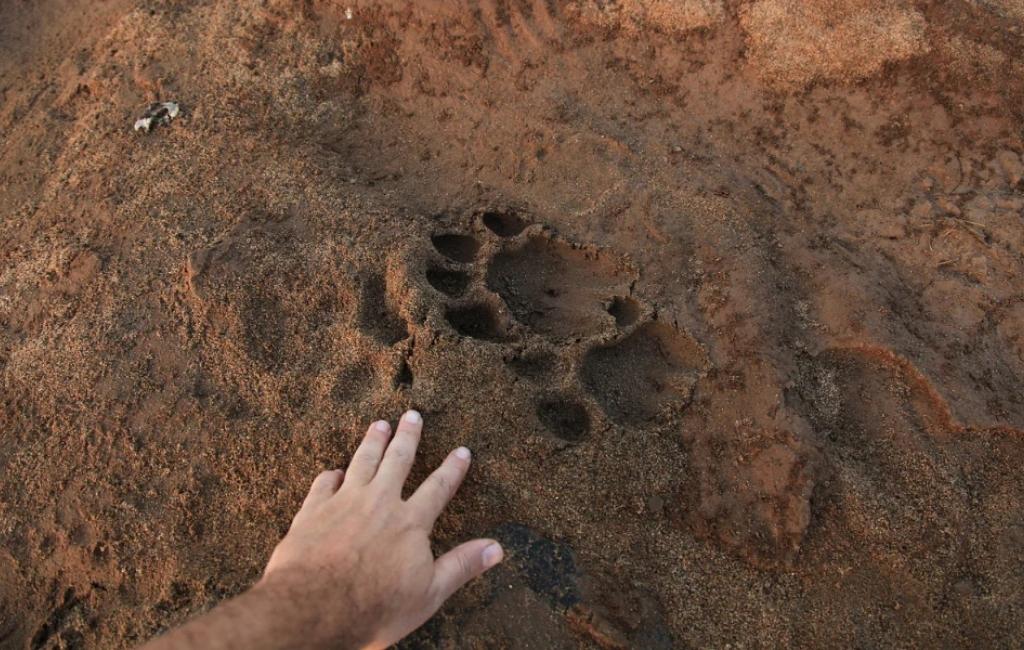
In popular imagination, tracking means spotting footprints in mud or snow and following them until you find the animal. While footprints are important, this is only a small piece of the puzzle.
Real tracking skills include:
- Reading footprints and gait patterns
- Identifying animal sign such as scat, hair, feathers, or claw marks
- Understanding habitat preferences
- Interpreting feeding signs (browsed plants, scratched bark, kill sites)
- Reading landscape features and movement corridors
- Predicting behavior based on season, weather, and time of day
- Moving quietly and ethically through natural environments
True trackers don’t just follow. They interpret stories written on the ground.
Tracking as a Cognitive Skill
Tracking is also deeply mental. It involves hypothesis, pattern recognition, memory, and continuous learning. A tracker constantly asks:
- Why did the animal move this way?
- What made it stop here?
- What will it likely do next?
In this sense, tracking is closer to field science than to simple outdoor navigation.
The Role of Wildlife Photography Guides
Wildlife photography guides exist to help people see and photograph animals. Their success is measured by sightings, proximity, and photographic opportunities. This naturally shapes how they interact with animals and landscapes.
What Photography Guides Are Typically Trained To Do
Most wildlife photography guides specialize in:
- Locating animals reliably
- Understanding animal behavior at a practical level
- Positioning clients for good light and background
- Managing safety and ethical distance
- Timing appearances for dramatic moments
Some guides are lifelong naturalists. Others are photographers first who learned animal habits through experience. Their backgrounds vary widely.
The Client Experience Shapes the Teaching
Photography tours often operate on tight schedules. Clients may have limited days in the field and high expectations. As a result, guides often prioritize:
- Efficiency over exploration
- Known hotspots over open-ended searching
- Immediate results over slow learning
This structure can limit how deeply tracking skills are taught—but it doesn’t eliminate the possibility.
Where Photography Guides Excel at Teaching Tracking
Despite their focus on images, many photography guides unintentionally—or intentionally—teach genuine tracking skills. In some cases, they are outstanding teachers.
1. Teaching Pattern Recognition in Real Time
Photography guides spend enormous amounts of time watching animals. They learn:
- When animals tend to appear
- How they react to human presence
- What environmental cues precede movement
Clients walking with such guides absorb these patterns naturally. Even without formal instruction, they begin to notice:
- “This bird always returns to the same perch.”
- “That animal avoids open ground after sunrise.”
- “Tracks near water are fresher in the morning.”
This is authentic tracking knowledge, delivered experientially.
2. Reading Subtle Signs Others Miss
To photograph animals, guides must locate them before clients do. This often requires noticing subtle signs:
- Bent grass indicating recent passage
- Slightly disturbed soil
- Broken spider webs on game trails
- Fresh scent or sound cues
When guides explain these signs, clients learn to see landscapes differently. The forest stops being background scenery and becomes a readable text.
3. Teaching Ethical Proximity
Good photography guides emphasize respect. They teach:
- How close is too close
- When to stop following
- How to avoid stressing animals
These lessons are crucial to ethical tracking. Real trackers know when not to pursue. Photography guides often model this restraint well.
4. Integrating Behavior with Environment
Photography requires anticipation. A guide might say:
- “This animal will likely move toward that shade.”
- “After feeding, it usually rests near cover.”
- “Watch that wind shift—animals will react.”
This connects tracking directly to ecological understanding, which is a hallmark of advanced tracking.
Where Photography Guides Often Fall Short
While photography guides can teach real tracking, there are also structural limitations that can prevent deep skill development.
1. Reliance on Prior Knowledge and Hotspots
Many guides operate in well-studied areas. They know:
- Established animal territories
- Frequently used trails
- Seasonal gathering points
This knowledge is valuable, but it can bypass the process of discovery. Clients may learn where animals are without learning how to find them independently.
2. Limited Focus on Ground-Level Sign
Photography often prioritizes eye-level or telephoto views. As a result:
- Footprints may be ignored unless obvious
- Scat and micro-signs are rarely examined closely
- Substrate differences are not always discussed
Traditional tracking places heavy emphasis on these ground-level details.
3. Time Pressure and Group Dynamics
In group tours, guides must manage multiple people. Teaching detailed tracking skills requires:
- Slow movement
- Frequent stops
- Individual observation
This can conflict with tour pacing and client expectations.
4. Visual Bias Over Other Senses
Tracking involves all senses—sound, smell, touch, and intuition. Photography, however, is visually dominated. Guides may unintentionally neglect:
- Listening for alarm calls
- Noticing changes in forest “noise”
- Feeling wind shifts or temperature changes
These non-visual cues are critical for advanced tracking.
Tracking vs. Finding: A Crucial Distinction
One of the most important differences between traditional tracking and photography-based animal finding lies in process.
Tracking Is a Skill; Finding Is an Outcome
- Tracking is about reading sign and understanding movement.
- Finding is about encountering the animal.
Photography guides are judged on finding animals. Trackers are judged on understanding them—even if they never see them.
When guides emphasize outcome over process, clients may miss deeper lessons. However, when guides explain how they know an animal is nearby, true tracking education emerges.
When Photography Guides Become True Tracking Mentors
Some wildlife photography guides consciously bridge the gap. These guides stand out.
Characteristics of Guides Who Teach Real Tracking
Such guides tend to:
- Verbally explain their reasoning
- Encourage clients to observe and guess
- Ask questions instead of giving answers
- Slow down to examine sign
- Share mistakes and uncertainty
They transform tours into moving classrooms.
Learning Through Storytelling
Great guides tell stories:
- “Yesterday, this track went the other way.”
- “Last week, this tree had no marks.”
- “This behavior changed after the rain.”
Storytelling turns isolated signs into narratives, which is how humans learn best.
The Overlap Between Photography and Indigenous Tracking Traditions
Interestingly, photography guides who spend long periods in one place often rediscover principles long known to Indigenous trackers.
Shared Foundations
Both rely on:
- Long-term observation
- Respectful distance
- Seasonal awareness
- Non-intrusive presence
Some guides consciously study Indigenous tracking knowledge; others arrive at similar conclusions through experience.
A Missed Opportunity for Deeper Learning
Many photography tours could benefit from explicitly acknowledging these traditions. Doing so would:
- Enrich tracking education
- Promote cultural respect
- Ground photography in ecological humility
Can Beginners Learn Tracking from Photography Guides?
For beginners, wildlife photography guides can be an excellent entry point.
Advantages for New Learners
- Immediate engagement with animals
- Motivation through visual reward
- Safe, structured environments
- Clear examples of behavior
Tracking can feel abstract when animals are never seen. Photography solves this problem.
The Risk of Passive Learning
However, beginners must avoid becoming passive observers. Real learning happens when clients:
- Ask why, not just where
- Try predicting movement
- Practice reading sign independently
Guides who encourage this curiosity foster genuine skill growth.
Photography Gear vs. Tracking Awareness
An interesting tension exists between gear and awareness.
The Gear Trap
Heavy equipment can:
- Limit mobility
- Increase noise
- Shift focus away from environment
Some clients become so absorbed in settings and lenses that they miss obvious signs.
Guides Who Counterbalance This
Skilled guides remind clients to:
- Look around before lifting the camera
- Notice animal approach paths
- Anticipate movement without the lens
In these moments, photography enhances tracking rather than replacing it.
Can Tracking Improve Photography?
The relationship goes both ways.
How Tracking Makes Better Photographers
Tracking skills help photographers:
- Predict animal movement
- Choose better positions
- Reduce random chasing
- Capture natural behavior
Many top wildlife photographers credit tracking—not gear—as their greatest asset.
A Feedback Loop of Skill Development
As photographers learn tracking, they rely less on guides and more on observation. This creates:
- Greater independence
- Deeper field immersion
- More ethical encounters
Ethical Dimensions: Teaching Responsibility Through Tracking
Tracking carries ethical weight. Knowing how to follow animals means knowing when to stop.
Guides as Ethical Gatekeepers
Photography guides often set the tone for:
- Respectful distance
- Minimal disturbance
- Leave-no-trace behavior
When tracking is taught responsibly, it becomes a tool for conservation rather than exploitation.
The Danger of Superficial Skill Sharing
Teaching partial tracking skills without ethical context can lead to:
- Over-pursuit of animals
- Stressful encounters
- Habitat degradation
The best guides integrate ethics into every lesson.
Evaluating a Photography Guide as a Tracking Teacher
For those seeking real tracking education, not all guides are equal.
Questions to Ask (Implicitly or Explicitly)
- Does the guide explain how they know an animal is near?
- Do they talk about sign and behavior, not just sightings?
- Do they slow down to observe details?
- Do they encourage questions and curiosity?
The answers reveal whether learning is happening beneath the surface.
The Future of Tracking Education Through Photography
As interest in nature grows, photography guides may play an increasingly important role in passing on tracking skills.
Opportunities Ahead
- Integrating tracking workshops into photo tours
- Offering slower, learning-focused itineraries
- Collaborating with trackers and ecologists
- Emphasizing observation over volume of sightings
A New Hybrid Role
The future may belong to guides who are:
- Part photographer
- Part tracker
- Part naturalist
- Part educator
Such guides don’t just lead people to animals—they teach people to see.
Final Thoughts: So, Can They Teach Real Tracking Skills?
Yes—but not automatically.
Wildlife photography guides can teach real tracking skills when they choose to emphasize understanding over outcomes, process over product, and curiosity over convenience. Some guides already do this brilliantly, turning photographic journeys into deep lessons in ecology, awareness, and respect.
Others focus solely on results, offering memorable images but little transferable knowledge.
For learners, the key is intention. For guides, the key is transparency. And for wildlife itself, the outcome matters most when tracking is taught as a way to connect, not to conquer.
When photography becomes a doorway rather than a destination, real tracking skills naturally follow.