





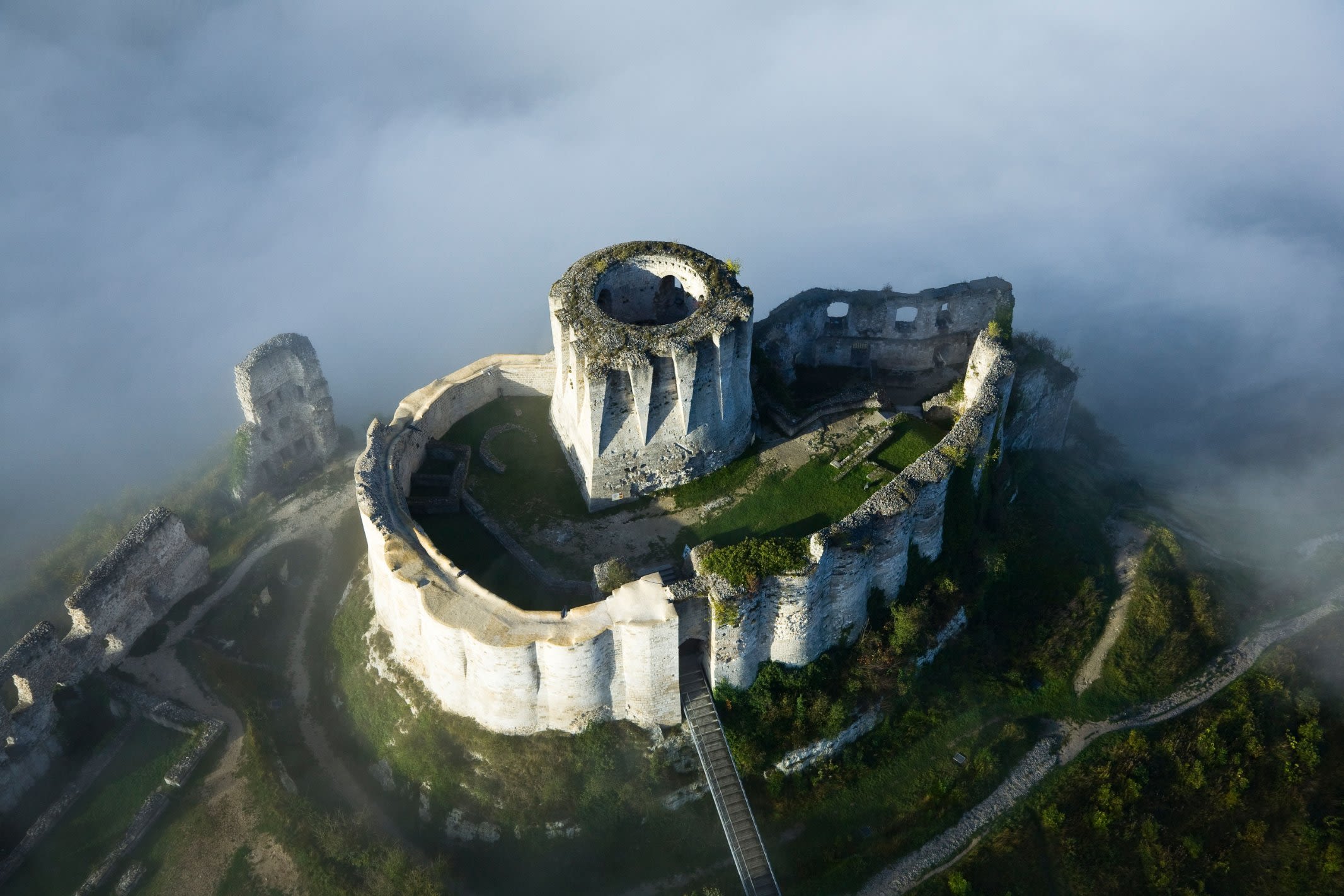

Abandoned castles have an aura unlike any other location. They blend history, mystery, and raw beauty in ways that modern architecture rarely achieves. For photographers, adventurers, and content creators alike, these derelict structures offer a unique canvas where light, shadow, and decay converge to produce images that are hauntingly beautiful. But beyond the aesthetic, abandoned castles hold stories frozen in time—stories that seep into every crumbling wall and moss-covered turret. This makes them not only visually striking but also emotionally compelling. Let’s dive into why abandoned castles might just be the coolest photo spots you can explore.
The Allure of Decay
There’s a strange kind of beauty in decay. While many photographers chase the sleek lines of contemporary buildings or the polished grandeur of famous landmarks, abandoned castles have a rugged authenticity. Crumbling stone walls, peeling paint, and ivy creeping up façades create a natural textural richness that’s difficult to replicate artificially. The uneven surfaces and broken windows allow sunlight to enter in unpredictable ways, producing moody shadows that can dramatically enhance a photograph.
Moreover, decay isn’t just visual—it’s emotional. Each crack, each collapsed stairway, each faded mural whispers stories of bygone eras. Capturing these details invites viewers into a narrative beyond the frame, transforming a simple photograph into a portal to the past. In short, abandoned castles aren’t just backgrounds—they are co-creators of the image.
Architectural Diversity
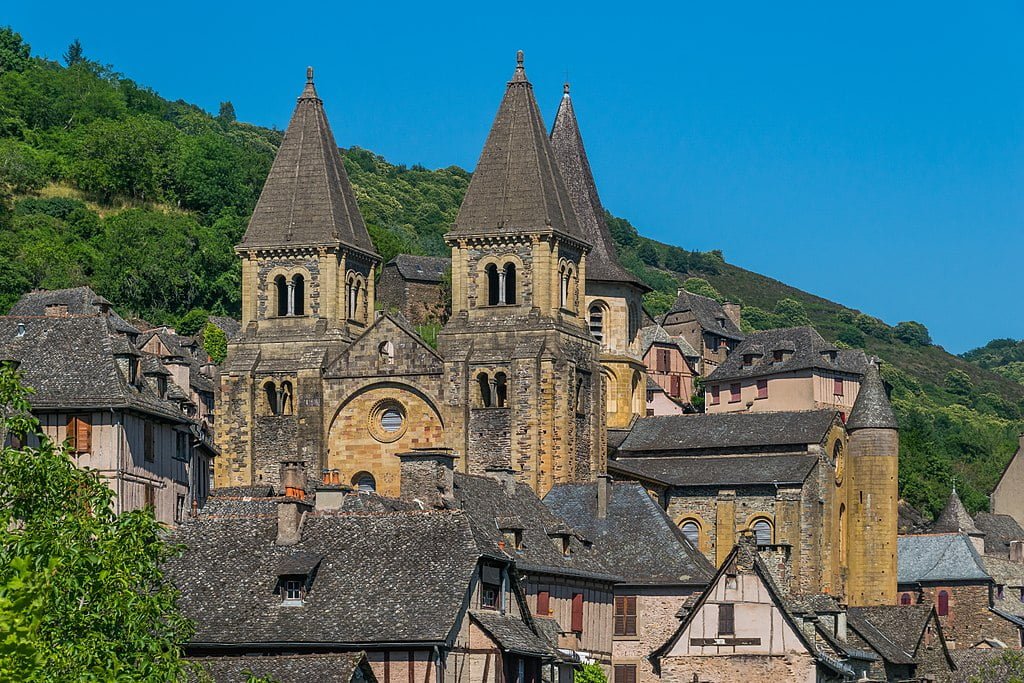
One of the most exciting aspects of photographing abandoned castles is the sheer architectural diversity. From towering medieval fortresses to elegant Renaissance palaces left to nature’s mercy, every castle is a testament to human creativity and resilience. High turrets, arched doorways, spiral staircases, and hidden passageways provide endless compositional opportunities.
For photographers, these structures allow experimentation with perspective and scale. Shooting up from a moss-covered courtyard can make a turret appear monumental, while capturing a decayed hallway in soft side light can evoke intimacy and suspense. Each castle has its own character, and understanding its architectural nuances can help you produce images that are both aesthetically pleasing and historically grounded.
Light, Shadow, and Mood
Lighting is everything in photography, and abandoned castles offer unpredictable and dramatic lighting scenarios. Broken roofs, shattered windows, and partially collapsed walls allow beams of sunlight to spill in, illuminating dust particles and highlighting textures in ways impossible in controlled studio environments. Early morning mist or late afternoon glow can add a cinematic quality, turning an ordinary shot into something out of a gothic fairy tale.
Shadows also play a vital role. A decayed corridor shrouded in darkness, with light streaming through a distant arch, can evoke mystery and suspense. The interplay between light and dark is amplified by the castle’s irregular surfaces, producing natural chiaroscuro that enhances depth and dimension. For anyone passionate about moody or dramatic photography, abandoned castles are playgrounds of possibility.
Nature Reclaiming History
One of the most compelling visual features of abandoned castles is the way nature slowly reclaims human constructions. Vines twist around towers, trees sprout from rooftops, and moss carpets stone floors. This blend of architecture and organic growth creates a surreal, otherworldly aesthetic that photographers find irresistible.
Images capturing the contrast between man-made structures and natural reclamation tell a story of time’s unstoppable march. The juxtaposition of cold stone and vibrant green, of sharp edges softened by creeping foliage, offers endless inspiration for creative compositions. In essence, these castles are living museums of entropy, where every frame reveals the dialogue between civilization and nature.
The Thrill of Exploration
Beyond visuals, photographing abandoned castles is an adventure. Entering a castle untouched for decades—or even centuries—evokes a sense of exploration akin to archeology. Discovering hidden chambers, climbing rickety staircases, or tracing the remnants of faded murals offers an immersive experience that few other photography locations can match.
For travel photographers and urban explorers, this thrill translates into more authentic, emotionally resonant images. The effort and patience required to reach unique vantage points often result in shots that feel exclusive and personal, elevating your work above typical tourist photography.
Composition Tips for Castle Photography
To maximize the visual impact of abandoned castle photography, consider the following techniques:
- Use Leading Lines: Staircases, corridors, and broken hallways naturally draw the viewer’s eye deeper into the frame. Position your subject or camera to emphasize these lines.
- Play with Perspective: Low-angle shots of towers or high-angle captures from balconies can dramatically alter the sense of scale.
- Focus on Textures: Stone, rusted metal, wood, and moss are rich in visual detail. Close-ups or macro shots can highlight these elements, adding depth to your portfolio.
- Embrace Natural Lighting: Observe how sunlight enters broken windows or roof openings. Shoot during golden hour or when fog enhances atmosphere.
- Capture Contrasts: Show the juxtaposition of decay and remaining grandeur, light and shadow, or nature and architecture to create emotionally charged images.
Safety Considerations
While abandoned castles are captivating, safety is paramount. Many structures are unstable, with crumbling floors, loose stones, and hidden hazards. Always:

- Wear sturdy footwear and gloves.
- Avoid climbing unstable walls or stairs.
- Check local regulations to ensure photography is allowed.
- Bring a flashlight for dark corridors.
Safety precautions not only protect you but also allow you to focus on creativity without risking injury.
Editing and Post-Processing
Post-processing is where abandoned castle photography truly shines. By adjusting contrast, saturation, and texture, you can enhance the mood captured on site. Some popular editing approaches include:
- Desaturation with a pop of color to emphasize decay against lingering life.
- High-contrast black-and-white for a dramatic, historical feel.
- Soft, cinematic color grading to evoke fairy-tale or gothic atmospheres.
Experimentation is key. Each castle’s lighting, texture, and architecture respond differently to editing, making every post-processing session a new creative challenge.
Global Examples
Abandoned castles can be found worldwide, each offering unique photography opportunities. From Europe’s medieval ruins to Asia’s deserted palaces, these structures provide diverse cultural and architectural narratives. Some are partially restored, while others are completely engulfed by nature, each telling a story through its decay. While you may not always travel far, even local abandoned estates or manors can deliver striking visuals reminiscent of the grand castles often found in international travel photography.
Why They Inspire Creativity
Perhaps the ultimate reason abandoned castles are incredible photo spots is their ability to inspire. The combination of history, mystery, and artistic potential sparks creativity in ways modern urban or studio environments often cannot. Photographers can experiment with composition, lighting, narrative, and emotion simultaneously, producing work that feels timeless and deeply personal.
Moreover, these castles invite storytelling. A single shot can suggest a forgotten love story, a hidden treasure, or a long-lost royal legacy. The imagination blends seamlessly with reality, giving both the photographer and viewer a rich, immersive experience.
Final Thoughts
Abandoned castles occupy a rare space where art, history, and adventure converge. They are not just visually striking; they challenge photographers to see differently, to explore creatively, and to engage deeply with their environment. Whether you are drawn to the textures of decay, the drama of light and shadow, or the thrill of exploration, these forgotten fortresses provide limitless opportunities for compelling imagery.
For anyone serious about photography or simply seeking a visually captivating adventure, abandoned castles deserve a top spot on your list. They are reminders that even in decay, there is grandeur; even in silence, there is story; and even in ruins, there is inspiration.