





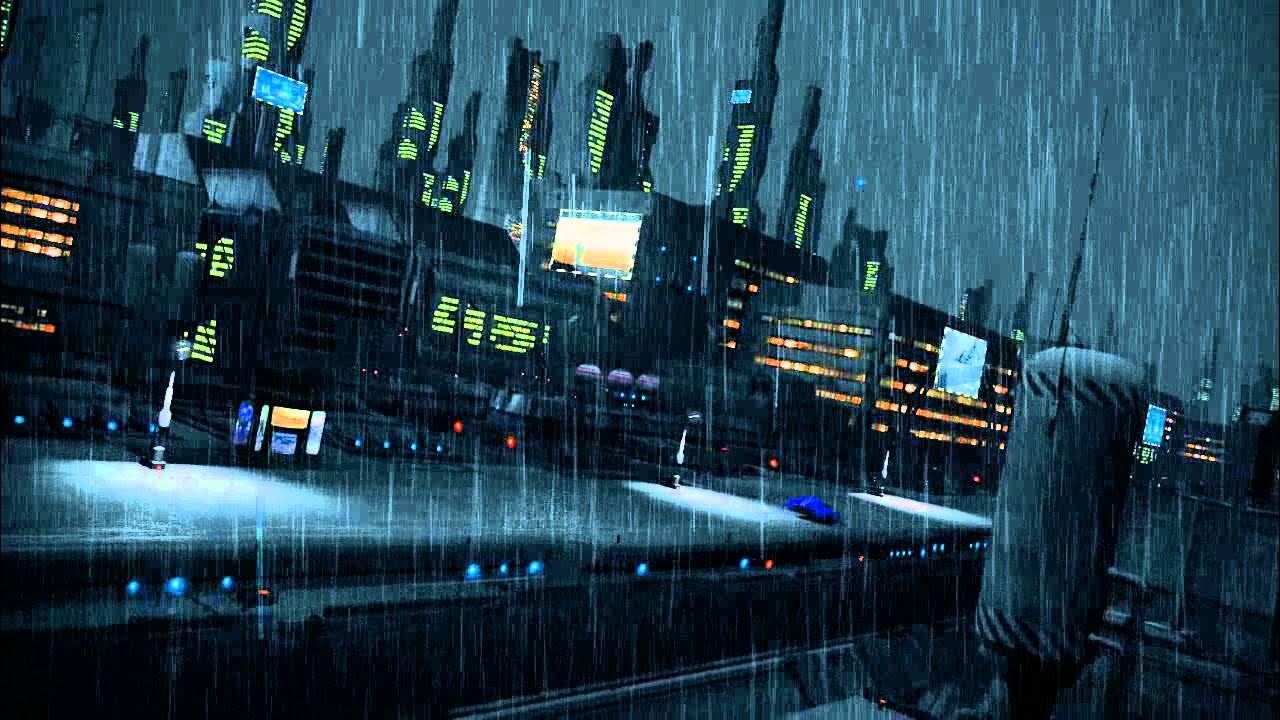

Dystopian tales have long held a unique place in literature, cinema, and popular culture. They tap into the deepest anxieties of societies while simultaneously offering thrilling adventures, ethical dilemmas, and cautionary visions of the future. But what makes them so universally captivating, transcending generations from the earliest readers of George Orwell’s 1984 to modern audiences binge-watching Black Mirror or reading Suzanne Collins’ The Hunger Games? The answer lies in a complex interplay of psychology, societal context, and narrative craft, all of which make dystopian tales a mirror for both personal and collective fears.
The Psychological Allure of Dystopia
At its core, dystopian fiction plays on one of the most fundamental aspects of human psychology: curiosity and fear. Humans are naturally inclined to explore the unknown, especially scenarios that evoke high stakes. Dystopian worlds exaggerate social, political, and technological issues, providing readers with an extreme lens through which to examine reality. Psychologists note that narratives depicting societal collapse or authoritarian rule can trigger a mix of anxiety and exhilaration—a combination often referred to as “thrilling apprehension.”
Moreover, dystopian tales often feature protagonists who navigate oppressive systems, offering a vicarious sense of agency. Readers experience the tension of powerlessness alongside the characters, which heightens empathy and engagement. For many, this experience is cathartic: they confront fears in a safe, controlled environment, and sometimes, by the story’s conclusion, they witness triumphs or failures that illuminate moral and ethical truths.
Generational Context and Historical Reflection
Different generations are drawn to dystopian narratives for reasons rooted in their socio-historical contexts. For example, the generation that lived through World War II and the Cold War gravitated toward dystopian texts like Orwell’s 1984 and Aldous Huxley’s Brave New World because these works reflected real fears of totalitarianism, nuclear annihilation, and societal conformity. The anxieties of the time were tangible: governments exercised surveillance, ideological battles dominated discourse, and global instability threatened daily life. Dystopian fiction offered both a warning and a coping mechanism, allowing people to process uncertainty through allegory and symbolism.
For Millennials and Generation Z, the appeal has shifted toward concerns about climate change, technological overreach, and social inequality. Works like The Hunger Games, Divergent, and Black Mirror resonate because they amplify contemporary issues: environmental degradation, corporate control, and the potential dehumanization of life through technology. While the older generations confronted the external threats of war and ideology, younger generations confront internal and systemic anxieties—issues that feel pervasive and inescapable. This evolution demonstrates how dystopian fiction is not static; it adapts to reflect the prevailing fears and challenges of its audience.
Sociopolitical Functions of Dystopian Narratives
Beyond entertainment, dystopian tales serve a sociopolitical function. They act as mirrors reflecting societal flaws, often magnifying inequalities, authoritarian tendencies, and ethical dilemmas. Through exaggeration, dystopian stories highlight the dangers of complacency. Consider Margaret Atwood’s The Handmaid’s Tale: it explores gender oppression, religious authoritarianism, and the politicization of reproduction. While the narrative is extreme, it resonates with readers who see echoes of inequality in their own societies. Dystopia thus becomes a tool for critique and consciousness-raising, providing a platform to discuss morality, governance, and the human condition.
Interestingly, the interpretation of these critiques evolves across generations. Older readers may approach dystopian narratives as warnings rooted in historical events, while younger readers often focus on systemic critique, imagining ways to reshape society. In both cases, the stories invite reflection, debate, and even activism, making them culturally and politically potent.
The Role of Technology and Surveillance
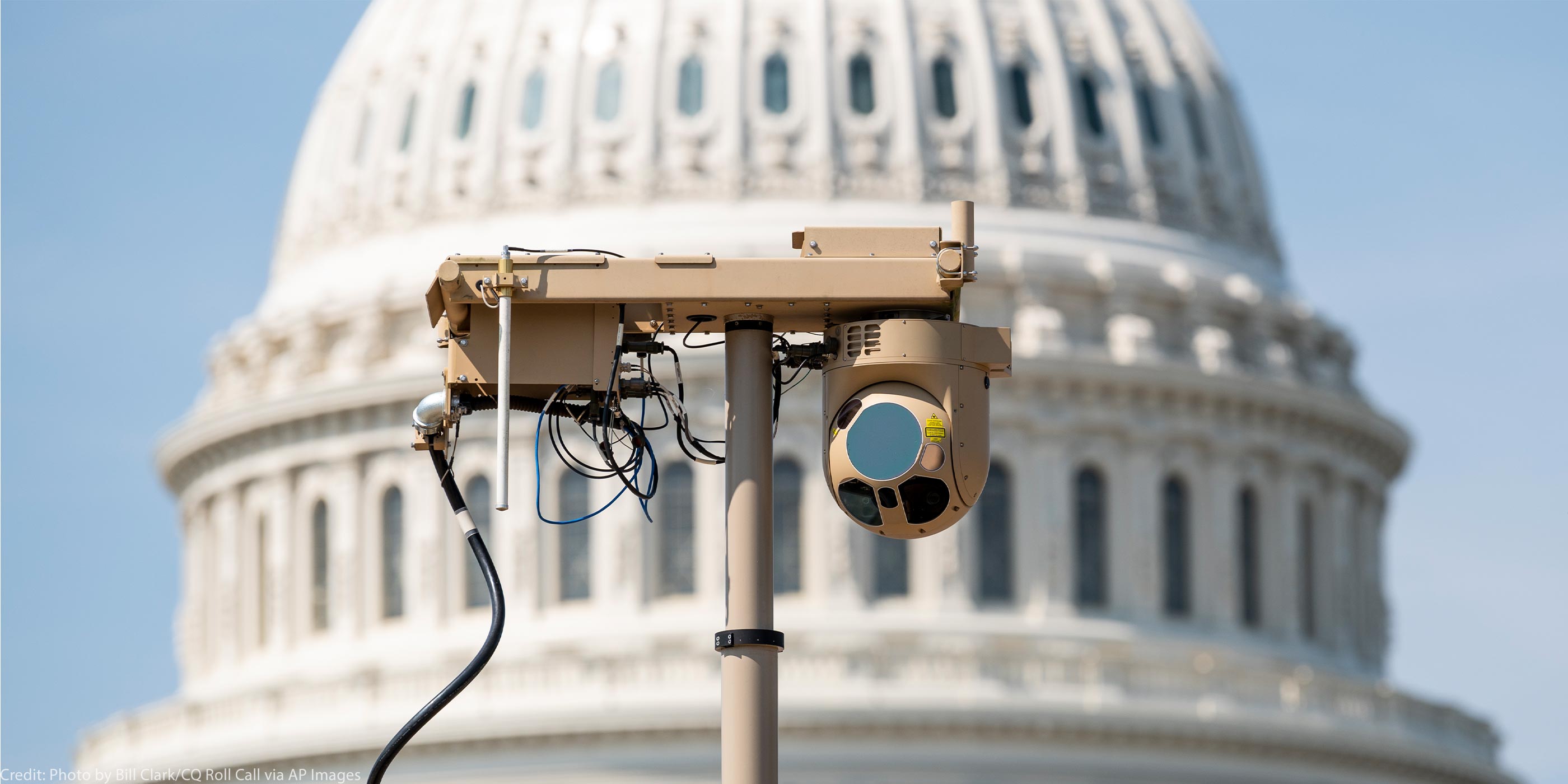
Technology, as both a theme and a mechanism, plays a central role in the allure of dystopian narratives. From Orwell’s telescreens to modern depictions of artificial intelligence and digital surveillance, technological control is a recurring motif. For digital-native generations, the depiction of omnipresent surveillance resonates in uniquely personal ways. Social media, data tracking, and AI-driven algorithms echo the fears portrayed in dystopian fiction, blurring the line between narrative and lived experience. The thrill lies in imagining “what if?” scenarios: what if our devices not only record our actions but actively manipulate our thoughts, desires, and behaviors? This scenario captivates different generations differently: for older generations, it’s a cautionary tale about progress; for younger generations, it’s a reflection of daily reality and a prompt for ethical consideration.
Moral Complexity and Ethical Dilemmas
Another factor contributing to the fascination with dystopia is its exploration of moral ambiguity. Unlike traditional heroic narratives, dystopian tales rarely offer simple solutions. Characters navigate morally gray landscapes, often making choices where right and wrong are indistinguishable. This complexity appeals across generations, fostering deep engagement with ethical questions. Readers are invited to consider: What would I do in a society stripped of freedom? Would I compromise values to survive? Such questions resonate because they are timeless—they touch the core of human morality and decision-making.
Emotional Catharsis and Narrative Tension
Dystopian tales often employ tension, suspense, and high-stakes conflict, all of which contribute to emotional catharsis. By immersing readers in perilous worlds, these stories allow them to experience intense emotions safely. The narrative arc—from oppression and struggle to confrontation and, sometimes, resolution—offers psychological release. This catharsis is particularly appealing to adolescents and young adults, who are navigating the uncertainties of identity, autonomy, and societal expectations. Experiencing a character’s struggle against an oppressive system allows readers to process personal anxieties in parallel with broader social concerns.

Archetypal Patterns and Universal Themes
Despite changes in context and style, dystopian tales often follow recognizable archetypal patterns. Common motifs include oppressive regimes, resistance movements, and the tension between individual freedom and collective control. These archetypes resonate because they reflect universal human experiences: the desire for autonomy, the fear of powerlessness, and the quest for justice. By drawing on deep-seated cultural myths and psychological archetypes, dystopian narratives maintain cross-generational appeal.
For example, the “rebellion against tyranny” motif appears in classical literature, myth, and modern dystopian works alike. Generations separated by decades can recognize the pattern, even if the specifics—technology, social norms, or political structures—differ. This continuity ensures that dystopian tales remain relevant, adaptable, and compelling, even as the social and technological landscape evolves.
Visual and Cinematic Appeal
The fascination with dystopia is not limited to literature. Films, TV shows, and video games expand the genre’s reach, offering immersive experiences that literature alone cannot. Visual storytelling heightens the impact of dystopian worlds, making abstract anxieties tangible. Cinematic techniques—such as stark lighting, desolate landscapes, and claustrophobic architecture—create immediate emotional responses. Video games allow players to inhabit these worlds actively, making choices and facing consequences, further deepening engagement. The multi-sensory experience ensures that dystopian narratives capture attention across generations, appealing to both traditional readers and modern audiences accustomed to interactive media.
Dystopia as a Tool for Reflection
Ultimately, the enduring appeal of dystopian tales lies in their capacity to provoke reflection. They allow readers to step outside their immediate reality and confront fundamental questions: What is the nature of freedom? What responsibilities do citizens have in society? How far should one go to preserve personal or collective well-being? These reflections are generationally fluid. Older generations may see dystopia as a warning to prevent historical mistakes from repeating, while younger generations may view it as a blueprint for understanding the consequences of contemporary choices. In either case, dystopian tales function as both mirrors and lenses: reflecting current anxieties while offering imaginative frameworks for understanding the future.
Conclusion: Timeless Fascination
Dystopian tales fascinate different generations because they tap into universal fears, ethical dilemmas, and psychological impulses while simultaneously reflecting the socio-political concerns of the time. From the post-war anxieties that shaped Orwell and Huxley to the climate, technology, and social justice issues preoccupying Millennials and Gen Z, dystopia evolves alongside its audience. Its enduring appeal lies in its ability to blend entertainment, moral inquiry, and societal critique into narratives that are simultaneously thrilling, reflective, and cautionary.
By providing spaces for catharsis, reflection, and engagement, dystopian fiction serves a timeless function: it challenges readers to consider the fragility and potential of human society. Its narratives are not bound by age or era; they speak to the constant human desire to understand, survive, and perhaps even improve the world we inhabit. In a sense, dystopian tales endure because they offer a safe yet electrifying way to confront the unknown—a literary adventure into fear, ethics, and hope that continues to captivate each generation in its turn.