







Imagine sinking into a plush bed while schools of tropical fish glide past your window. The soft swish of water, the shimmer of sunlight filtered through the ocean, and the thrilling thought that you are completely submerged. Underwater hotels, once a science-fiction fantasy, are now a reality that promises a vacation experience unlike any other. But with glittering coral reefs above and luxury suites below, the question arises: are these submerged paradises really worth leaving the beach behind?
In this article, we’ll dive deep—literally—into underwater hotels, exploring their allure, the unique experiences they offer, the practical considerations, and whether they truly outshine traditional beach vacations.
1. The Allure of Going Under
The appeal of underwater hotels is immediately clear: novelty. Humans have always been fascinated by the mysteries of the ocean. Unlike a conventional beachfront hotel, underwater accommodations offer a chance to immerse—literally—in marine life.
1.1 A Room with a 360° Ocean View
One of the primary draws is the panoramic view of underwater life. Imagine waking up to a gentle manta ray gliding overhead or a curious turtle peeking at you from a coral ledge. This kind of intimacy with the ocean is impossible from a beach or even a luxury yacht. Glass walls encase the room, giving an impression of floating in another world.
1.2 Immersive Experiences Beyond the Window
Many underwater hotels go beyond passive observation. Snorkeling, diving excursions, and guided marine experiences are often included. Some resorts offer private underwater dining, where guests can enjoy gourmet meals while schools of fish swirl around them. This is not just a stay; it’s an adventure packaged in luxury.
2. Technological Marvels Behind the Scenes
Underwater hotels are not only marvels of hospitality—they are feats of engineering. Constructing a hotel beneath the waves involves solving problems few other architects ever encounter.
2.1 Engineering Challenges
Pressure, corrosion, and buoyancy are just the beginning. At depths of 10–30 feet, water exerts significant pressure on structures. Materials must resist corrosion from saltwater and withstand tropical storms. Acrylic is commonly used for panoramic windows because it can bear enormous loads while remaining crystal clear.
2.2 Sustainable Design
Modern underwater hotels are increasingly designed with sustainability in mind. Some use ocean-friendly materials, recycle water, and generate power through solar or tidal energy. Others are careful not to disturb the marine ecosystem, constructing hotels around natural reefs rather than altering them. A stay here is not only luxurious but also—potentially—eco-conscious.
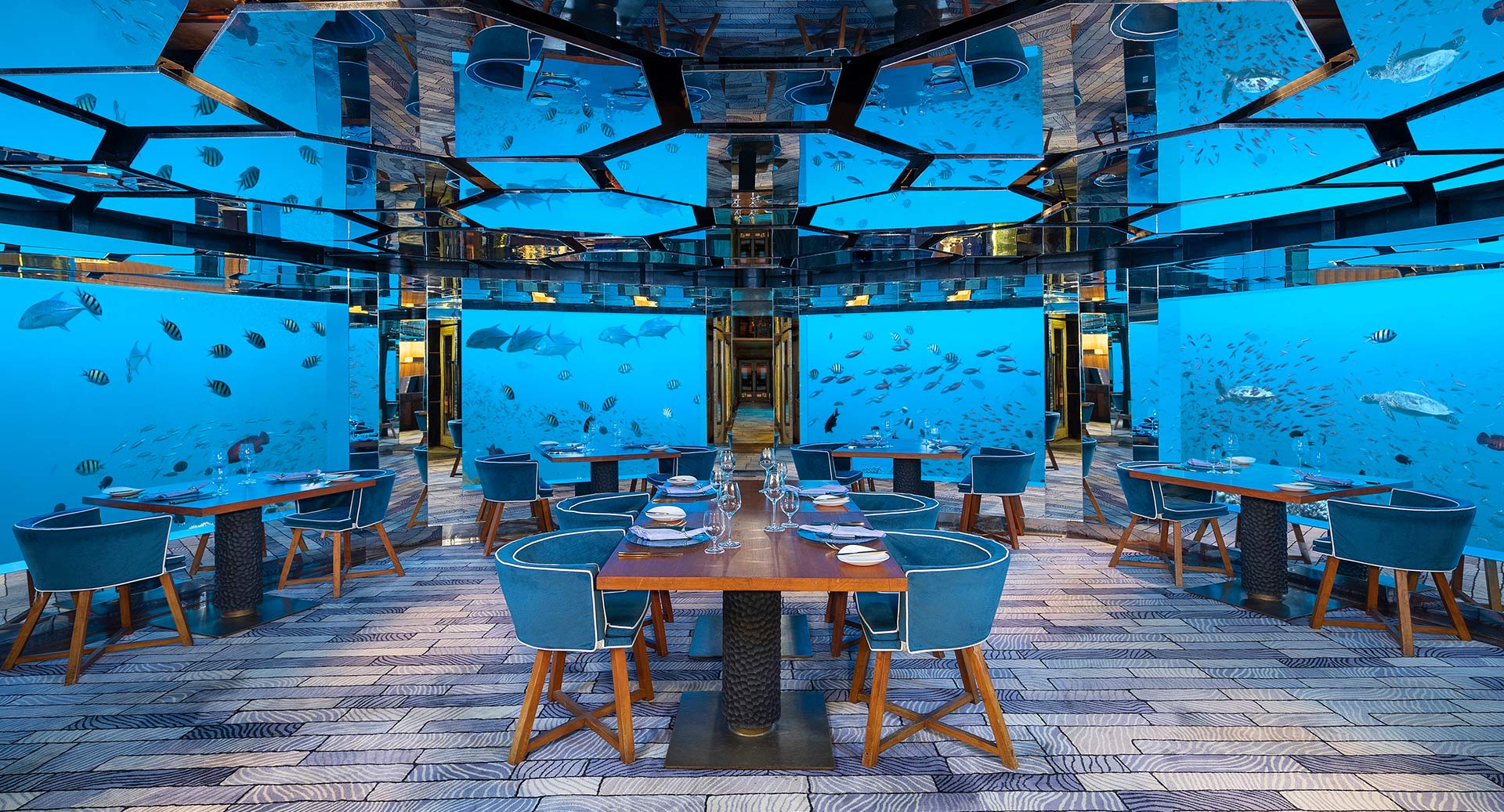
3. The Experience: Living Beneath the Waves
Spending a night underwater is like entering a sci-fi dream. The atmosphere is calming, meditative, and otherworldly. Unlike crowded beaches, the underwater environment offers privacy, serenity, and a subtle thrill.
3.1 Sleep With a View
Sleep patterns can change when surrounded by water. The filtered light and muffled sounds create a cocoon-like environment, perfect for those seeking calm. Guests often report waking up earlier than usual, drawn by the movement of marine life outside their window.
3.2 Dining and Entertainment
Many underwater hotels feature dining rooms below sea level. Fine dining amid coral gardens is not just Instagram-worthy; it’s an unforgettable sensory experience. Some resorts also offer underwater spas, cinemas, and lounges. The combination of luxury and immersion ensures that boredom is almost impossible.
4. Comparing the Beach and the Deep Blue
Before abandoning your sunbathing plans, it’s worth comparing the two vacation styles.
4.1 The Beach: Familiar, Relaxing, and Accessible
Beaches are timeless. They offer sun, sand, and freedom to explore local culture. Snorkeling and diving excursions are optional, and the costs are usually lower. If your idea of a vacation is casual relaxation, a beach remains unbeatable.
4.2 Underwater Hotels: Novelty Meets Luxury
Underwater stays are rare, exclusive, and often expensive. You are paying for experience, immersion, and technological marvel. While breathtaking, they are less flexible: excursions are often pre-arranged, meals can be pricey, and access to nearby cultural sites may be limited.
4.3 Price Factor
The cost of underwater stays is a significant consideration. A night can range from hundreds to several thousand dollars. In contrast, beachfront accommodations offer a wider range of budgets. The decision often boils down to whether you prioritize a once-in-a-lifetime experience over traditional relaxation.
5. Psychological Effects of Underwater Stays
Beyond luxury, underwater hotels offer unique psychological benefits. Being surrounded by water has a calming effect on the nervous system, lowering stress and promoting mindfulness. Guests report feelings of awe, connectedness with nature, and even temporary relief from digital overload.

However, the experience is not without challenges. Some people may feel claustrophobic or anxious due to the confined environment. This is why most resorts design rooms with spacious layouts, high ceilings, and large viewing panels to alleviate discomfort.
6. Environmental and Ethical Considerations
While the experience is tempting, environmental impact cannot be ignored. Construction can disturb local ecosystems if not carefully managed. Responsible resorts prioritize minimal disruption, use eco-friendly materials, and contribute to marine conservation. As a guest, choosing hotels committed to sustainability ensures your underwater adventure does not harm the very ecosystem you’ve come to admire.
7. Where to Find the Best Underwater Hotels
Underwater hotels are concentrated in tropical locations with clear waters, rich marine life, and high-end tourism infrastructure.
7.1 The Maldives
The Maldives is the epicenter of underwater luxury. Resorts offer suites with direct access to coral reefs, personal butlers, and gourmet dining. The water clarity and biodiversity here are unmatched, making it ideal for immersive experiences.
7.2 Dubai
Dubai has pushed the limits of luxury with underwater suites featuring futuristic design. While not as biodiverse as tropical reefs, Dubai offers lavish amenities and city-adjacent convenience.
7.3 Other Locations
Thailand, Fiji, and French Polynesia have boutique underwater hotels, each with unique offerings. The diversity of marine life, water temperature, and resort style can dramatically affect your experience.
8. Who Should Consider Underwater Hotels?
Underwater hotels are ideal for certain travelers:
- Adventure Seekers: Those craving novelty and immersive experiences.
- Luxury Travelers: Guests who value exclusive amenities and personalized service.
- Nature Enthusiasts: People fascinated by marine life and underwater ecosystems.
However, if you prefer casual beach lounging, spontaneous exploration, or budget-friendly travel, a traditional beach vacation might suit you better.
9. Potential Drawbacks
No vacation is perfect. Underwater hotels have some downsides:
- Cost: Often significantly higher than traditional stays.
- Accessibility: Remote locations may require long flights or transfers.
- Limited Flexibility: Activities and meals can be structured around resort schedules.
- Claustrophobia or Anxiety: Despite design efforts, some may feel confined.
These factors are important when deciding if the novelty outweighs practicality.
10. The Verdict: Worth Ditching the Beach?
So, are underwater hotels truly worth leaving the beach behind? The answer depends on what you value most in a vacation.
If your dream involves serenity, awe-inspiring views, and a unique sensory experience, underwater hotels are unmatched. They transform a stay into a narrative, where each moment is framed by gliding fish, shifting coral, and the gentle embrace of water.
If relaxation, flexibility, and accessibility are more important, the traditional beach remains compelling. After all, no hotel, underwater or otherwise, can fully replicate the timeless joy of feeling sand beneath your feet and the sun on your skin.
Ultimately, it’s not about one replacing the other. Underwater hotels don’t have to compete with beaches—they offer a different kind of escape. For those who can, trying one at least once can be a transformative experience. For the rest, the beach will always remain a faithful sanctuary.