





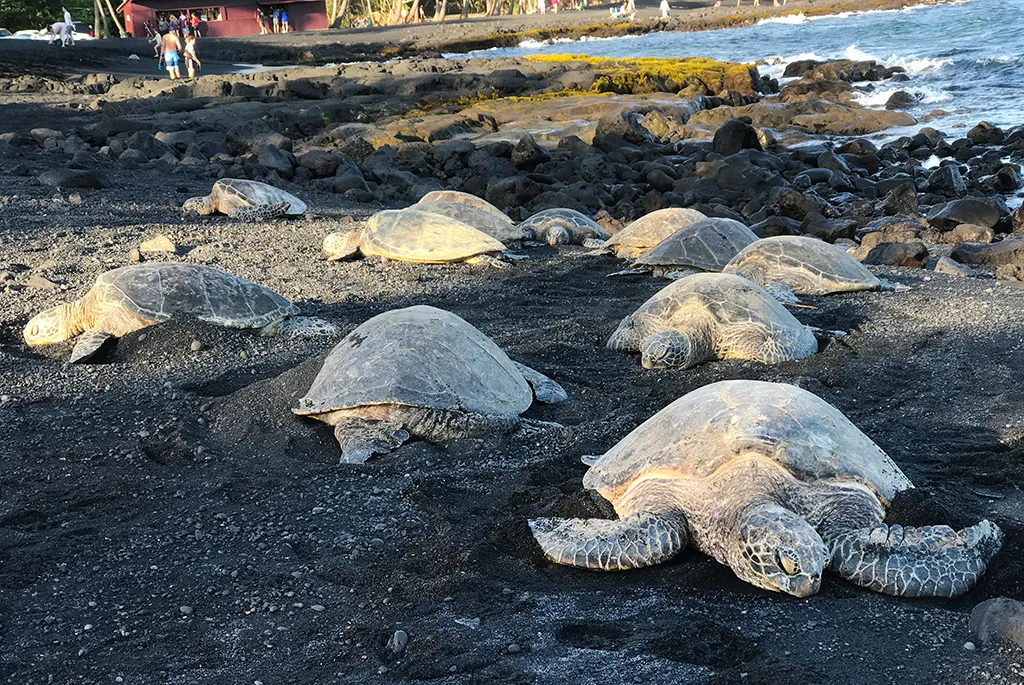

When you think of a beach, the first images that pop into your mind are likely golden stretches of sand, sparkling under the sun, with gentle waves lapping the shore. But not all beaches fit this idyllic picture. Some are mysterious, dark, and otherworldly, with sands so black that they almost look artificial. These are volcanic beaches—places where the earth’s fiery temperament leaves its mark on the coastline. But can volcano beaches have the blackest sand? The answer is fascinating, blending geology, chemistry, and a hint of natural artistry.
The Birth of Black Sand
To understand why a beach might turn black, we first need to explore where sand comes from. Sand is the result of erosion and weathering, processes that break down rocks and minerals into tiny grains. While most beaches are composed of quartz—a mineral that reflects light, giving sand its typical golden hue—volcanic beaches are dominated by basalt, a dark, iron-rich volcanic rock.
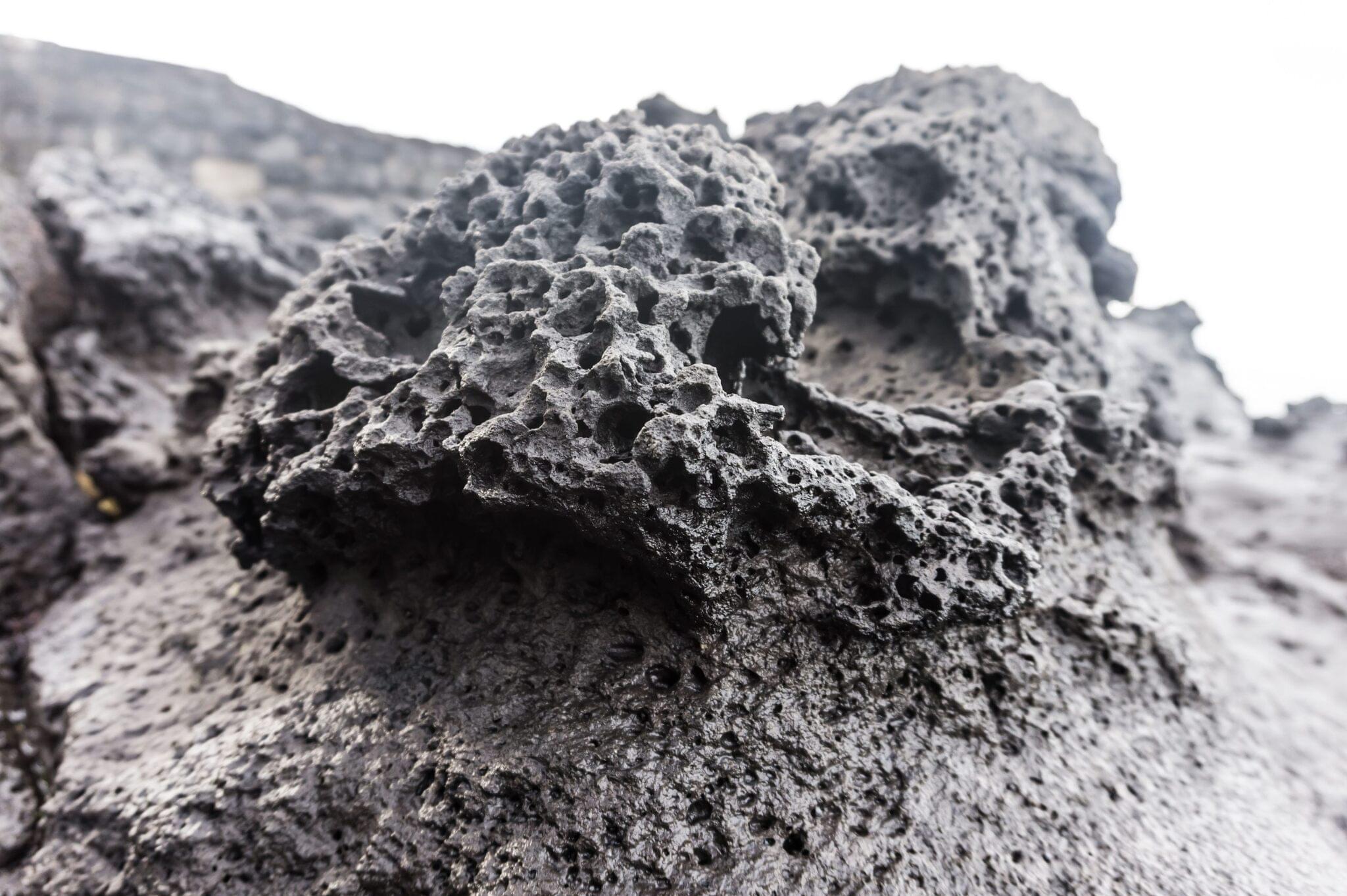
Basalt forms from lava that cools rapidly, either on land or under water. When molten lava reaches the ocean or air, it solidifies into dense rock that, over time, erodes into sand-sized particles. Unlike quartz, basalt is opaque and dark because it contains magnetite, ilmenite, and other iron-rich minerals. The result? Sand that ranges from deep charcoal to jet black.
Interestingly, black sand doesn’t just appear overnight. The process can take decades or even centuries, as lava is broken down by wind, waves, and temperature changes. Some volcanic beaches are continually replenished with fresh basalt from recent eruptions, keeping the sand perpetually dark. Others are remnants of ancient lava flows, where erosion has finely powdered the basalt into smooth, dark grains.
The Science Behind the Color
The color intensity of volcanic sand depends on its mineral composition. Pure basalt sand is very dark, but if it contains fragments of lighter-colored rocks or volcanic glass, the sand may appear dark gray rather than true black. In some volcanic regions, sand grains are almost perfectly black due to high concentrations of magnetite, an iron oxide mineral with a deep metallic sheen.
Another fascinating factor is volcanic glass, or obsidian, which forms when lava cools so quickly that crystals do not have time to grow. Obsidian fragments can contribute to sand’s blackness while giving it a glossy, reflective quality. Beaches with a high proportion of obsidian often appear darker than those with only basalt.
The chemical reactions in volcanic environments also play a role. Iron in basalt oxidizes over time, producing subtle shades of red, brown, or even green, depending on the minerals present. This is why some black sand beaches are peppered with streaks of other colors, giving them a marbled, almost surreal look.
Famous Black Sand Beaches Around the World
Some volcanic beaches are famous precisely for their black sand. Punalu’u Beach in Hawaii is perhaps the most iconic example. Lava flows from Mauna Loa continuously replenish this coastline, creating sand that is so black it absorbs heat under the sun. Visitors often feel the intense warmth on bare feet, a reminder of the geothermal energy that gave birth to the grains beneath them.
In Iceland, Reynisfjara Beach near the town of Vik is another stunning example. Here, black sand meets towering basalt columns and powerful Atlantic waves. The sand is almost jet black, contrasting sharply with the white foam of crashing surf, creating a dramatic, cinematic landscape.
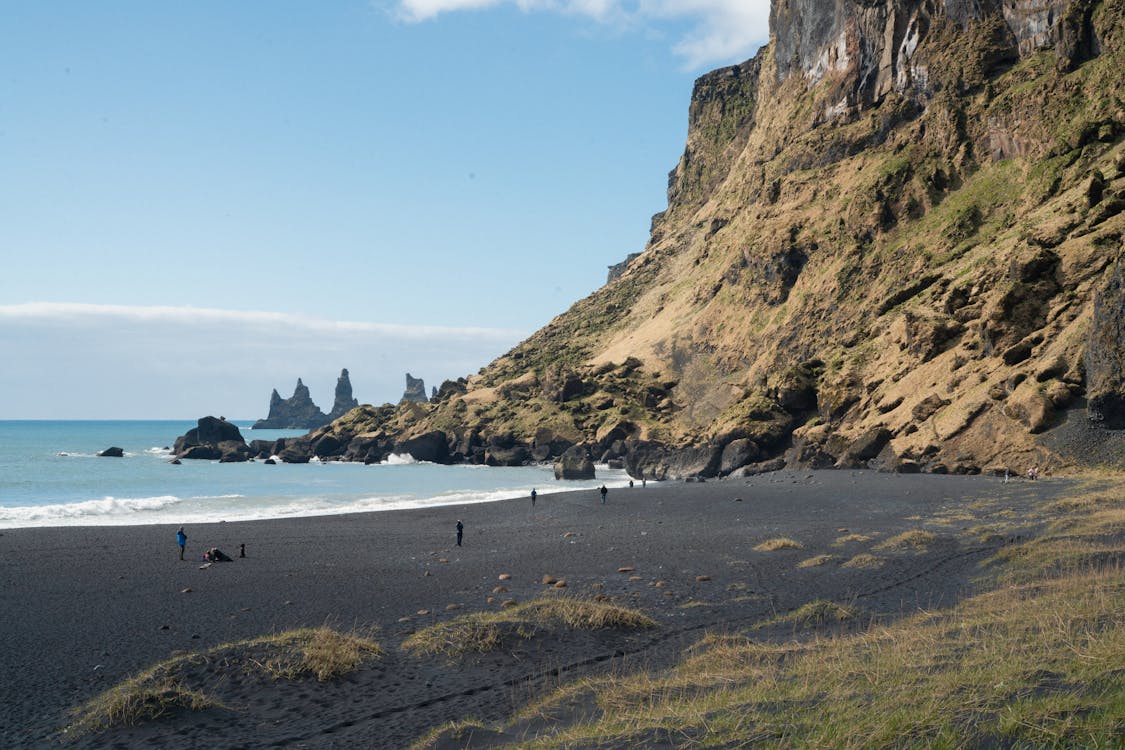
Indonesia is another hotspot. Kelimutu and Lovina feature black sand beaches formed by repeated volcanic eruptions from nearby volcanoes. These sands are rich in iron, giving them a magnetic property that sometimes makes metal objects attracted to the grains—a playful curiosity for beachcombers.
Can Sand Get “Blackest”?
The term “blackest sand” is subjective, but from a scientific standpoint, sand reaches maximum darkness when:
- Basalt content is extremely high: Sand must consist mostly of finely ground basalt rock.
- Volcanic glass is abundant: Obsidian grains enhance depth and reflectivity.
- Impurities are minimal: Fewer light-colored minerals or sediments dilute the blackness.
- Continuous volcanic activity: Fresh lava flows constantly renew sand, maintaining its color.
Under these conditions, volcanic beaches can produce sand that appears almost ink-black, reflecting minimal light and often absorbing heat like a natural solar panel. Some researchers argue that Hawaii’s Punalu’u Beach holds the title for the blackest sand, although Iceland and Indonesia compete closely depending on recent volcanic activity.
Heat and Safety on Black Sand Beaches
One of the most noticeable effects of black sand is its temperature. Dark grains absorb sunlight far more efficiently than lighter sand, often heating to over 60°C (140°F) on sunny days. Barefoot walking can be painful, and shoes or sandals are highly recommended. This heat is a direct consequence of the sand’s composition: iron-rich basalt conducts and retains heat efficiently.
Interestingly, this heat also influences the local ecosystem. Certain plants and small animals have adapted to survive in the warmer substrate. For example, tiny crabs and insects may burrow deeper to escape heat, while specific coastal plants grow with denser roots to anchor in hot, shifting sand.
Erosion and Longevity of Black Sand
Black sand beaches are not static. They are highly dynamic, shaped continuously by waves, storms, and volcanic activity. Unlike quartz-based beaches, which may last thousands of years, black sand beaches can disappear within decades if erosion outpaces lava replenishment. Volcanic eruptions are therefore critical for their survival. In Hawaii, eruptions from Mauna Loa and Kilauea occasionally add new basalt to existing beaches, but in other places, black sand slowly vanishes, leaving bare rock or gray sediment behind.
Interestingly, black sand is heavier than light-colored sand, due to its iron content. This weight helps it resist being washed away, but in the face of strong ocean currents, even dense grains are not immune. As a result, black sand beaches are often narrow and limited in size, a fleeting luxury created by the balance of earth’s fire and water.
Cultural and Economic Significance
Black sand beaches are more than just geological curiosities. They hold cultural and spiritual importance in many regions. In Hawaiian mythology, black sand beaches are considered sacred, representing the union of fire goddess Pele’s power with the ocean. Tourists are often reminded to respect the land while marveling at its unique beauty.
Economically, black sand beaches can attract tourists and researchers alike. Photography enthusiasts, geologists, and casual travelers are drawn to their striking landscapes. Some volcanic beaches are also mined for their mineral-rich sand, particularly magnetite and ilmenite, which are valuable for industrial applications. However, mining can threaten the ecological balance, making conservation essential.
Unique Features of Volcanic Black Sand
Black sand beaches aren’t just dark—they have distinct physical and sensory properties. The grains are often sharper than ordinary sand because basalt fragments don’t erode into perfectly rounded shapes as quartz does. Walking barefoot can feel different—sometimes gritty, sometimes glassy. The texture affects how sand interacts with water, influencing how waves break and how plants and animals inhabit the beach.
Additionally, black sand can be magnetic. Beaches high in iron oxide sometimes attract small metal objects or create a faint pull on compasses. This property fascinated early explorers and continues to attract geologists studying mineral distribution and volcanic activity.
Some black sand beaches also feature lava tubes and rock formations. These geological features often extend into the surf, creating dramatic cliffs and sea stacks that add to the visual drama. In places like Iceland, black sand contrasts sharply with white ice and snow, creating an almost lunar landscape.
Environmental Considerations
Despite their allure, black sand beaches face environmental threats. Rising sea levels, volcanic hazards, and human activity can all impact their existence. Unlike typical beaches, black sand is non-renewable in regions without active lava flows. Conservation efforts often focus on protecting the sand from removal or damage, maintaining natural erosion cycles, and educating visitors about their fragility.
Marine ecosystems around black sand beaches are also unique. The mineral-rich sand can influence water chemistry, impacting fish, corals, and other marine life. Careful balance is necessary to preserve these ecosystems while allowing humans to enjoy the dramatic scenery.
Beyond Black: Shades and Variations
Although black sand is striking, volcanic beaches display a spectrum of dark hues. Some are charcoal gray, others nearly metallic black. Small fragments of red or green minerals can create streaks or marbled patterns. These variations depend on:
- Age of lava: Older lava may weather to lighter tones.
- Type of volcanic eruption: Explosive eruptions produce more ash, while slow lava flows yield denser, darker grains.
- Environmental conditions: Sunlight, rainfall, and wind affect oxidation and sand color.
This variation makes volcanic beaches endlessly fascinating, as no two black sand shores are exactly alike. The interplay of geology, chemistry, and climate produces beaches that feel alive, ever-changing, and spectacularly unique.
Can Volcano Beaches Beat Quartz Beaches in Beauty?
Beauty is subjective, but black sand beaches offer dramatic contrasts that typical golden beaches rarely achieve. The stark juxtaposition of dark sand, vibrant greenery, and turquoise ocean creates a cinematic landscape. Add volcanic rock formations, lava tubes, and oceanic waves, and you get a beach that feels almost alien in its perfection.
Some travelers argue that black sand is “edgier” or more exotic than standard beaches. Photographers love the way black sand absorbs light, enhancing sunset reflections and making colors pop. Hikers enjoy the textural diversity, while scientists appreciate the opportunity to study active geological processes up close.
Conclusion: The Dark Allure of Volcano Beaches
So, can volcano beaches have the blackest sand? Absolutely. The darkest sands emerge where fresh basalt, volcanic glass, and high iron content combine under the relentless forces of waves and erosion. These beaches are not just visually striking—they are dynamic landscapes shaped by earth’s most primal forces. Their heat, density, and magnetic properties make them fascinating both scientifically and experientially.
From Hawaii to Iceland, Indonesia to the Canary Islands, black sand beaches capture the imagination. They remind us of the planet’s fiery origins, the power of geological transformation, and the fleeting nature of natural beauty. Whether you visit for science, adventure, or sheer aesthetic pleasure, the black sands of volcanic beaches offer an unforgettable encounter with nature’s dramatic artistry.