






Music has long been called a universal language. It transcends borders, cultures, and words, reaching directly into the human soul. But the question arises: can music alone narrate a complete story? Can melodies, harmonies, and rhythms carry the depth, tension, and resolution of a narrative without the aid of words, visuals, or gestures? To answer this, we must explore the mechanics of musical storytelling, its psychological impact, historical precedents, and the creative potential that allows notes and rhythms to evoke vivid narratives in the listener’s mind.
The Mechanics of Musical Storytelling
At the heart of any narrative—whether conveyed through words, cinema, or music—are several core elements: exposition, conflict, climax, and resolution. Music, though abstract, can mirror these elements through structure, tonality, rhythm, and dynamics.
Melody as Character: Melodies can function like characters in a story. Just as a novel introduces a protagonist with distinct traits, a melody can establish identity through pitch, contour, and motif. A rising melody might signify aspiration or hope, while a jagged, dissonant line could represent struggle or tension. Composers often assign specific melodic motifs to characters, allowing the audience to “recognize” them without a single word being spoken.
Harmony as Emotion and Context: Harmony provides the emotional backdrop. Major chords often suggest joy, triumph, or serenity, while minor chords evoke sadness, longing, or mystery. Dissonance and chromaticism can symbolize tension, conflict, or uncertainty. By carefully manipulating harmonic progressions, a composer can create an emotional arc akin to the rising and falling tension in a story.
Rhythm as Plot and Movement: Rhythm propels music forward, much like pacing drives a narrative. Rapid, irregular rhythms can evoke urgency or chaos, while slow, steady pulses suggest stability or introspection. Rhythmic motifs can recur like narrative beats, reinforcing plot points or emotional turns.
Dynamics and Texture as Dramatic Tools: Crescendos, decrescendos, sudden silences, or layered textures can emulate the ebb and flow of narrative tension. A thunderous climax might coincide with the story’s peak conflict, while a sudden diminuendo can mimic a moment of reflection or resolution.
Through these elements, music can simulate the narrative mechanics that stories rely on—without using words.
Psychological Basis: How the Brain Reads Musical Narratives
Neuroscience provides fascinating insight into why music can feel narrative. Studies have shown that the brain activates similar regions when processing complex musical passages and reading or imagining stories. Temporal patterns in music can trigger episodic memory and emotional circuits, allowing listeners to construct mental “plots” even in the absence of literal storytelling.
Mirror neurons may also play a role: as we hear music that mimics movement or tension, our brains simulate those actions or emotions. A soaring violin line can feel like a protagonist rising to triumph; a grinding, heavy percussion rhythm can simulate struggle or conflict. Essentially, our brains translate abstract sound into narrative experience.
Historical Examples: Music as Storytelling Without Words
History provides numerous examples where music narrates stories independently of lyrics:
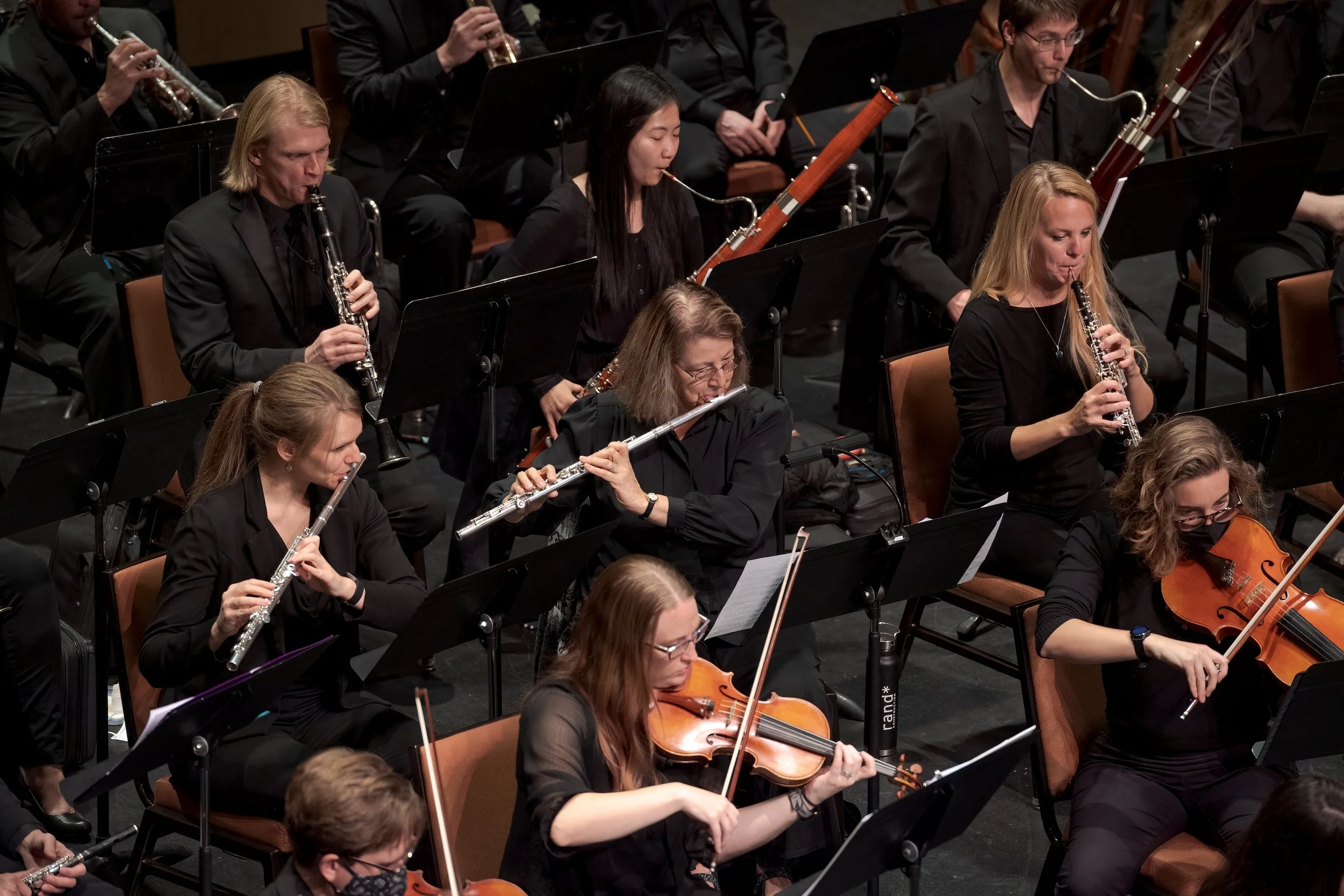
- Programmatic Music: Composers like Hector Berlioz and Modest Mussorgsky explicitly wrote music to tell stories. Berlioz’s Symphonie Fantastique narrates the descent of an artist into obsession and despair solely through orchestration and thematic development. Mussorgsky’s Pictures at an Exhibition portrays a visitor wandering through an art gallery, capturing each artwork’s mood through piano textures.
- Film Scores Without Dialogue: Iconic film scores often convey plot, character, and emotional nuance without dialogue. Think of suspenseful strings in a thriller scene or the heroic brass motif accompanying a protagonist’s journey. Even when divorced from the visuals, these musical cues can evoke imagined narrative arcs.
- Folk Traditions and Instrumental Storytelling: Many indigenous and folk traditions use instruments to communicate stories, histories, and legends. Drums, flutes, and string instruments can mimic natural sounds, battle rhythms, or ceremonial processes, allowing communities to “hear” their stories across generations.
Techniques Composers Use to Convey Narrative
Professional composers often employ specific strategies to ensure music can stand as a narrative medium:
- Leitmotif Development: Assigning recurring motifs to characters, objects, or ideas. Wagner perfected this in his operas, allowing listeners to track narrative threads musically.
- Thematic Transformation: A theme evolves as the story unfolds. A melody that begins innocent may later appear distorted, slower, or harmonically complex, reflecting the character’s journey or internal conflict.
- Tension and Release: Just as a story introduces conflict and resolution, music uses dissonance, modulation, and rhythmic instability to create tension, followed by consonance or resolution for catharsis.
- Temporal Structure: Musical forms like sonata-allegro, rondo, or through-composed structures mirror narrative arcs. Exposition introduces themes (characters), development complicates them (conflict), and recapitulation resolves tensions (resolution).
- Textural and Instrumental Symbolism: Different instruments or textures can carry narrative weight. A solo flute might represent loneliness or freedom; a full brass ensemble might evoke triumph or chaos. Layering and orchestration choices allow intricate narrative nuance.
Limitations and Challenges
While music can convey narrative, it also has limitations:
- Ambiguity: Unlike words, music’s meaning is inherently subjective. Two listeners may interpret the same musical sequence differently. While this allows personal imagination, it can hinder a universally “fixed” narrative.
- Complexity Management: Narratives with intricate plot twists, abstract concepts, or detailed settings may be difficult to convey solely through music. Music excels at evoking emotional arcs, character dynamics, and tension-resolution cycles, but may struggle with literal specificity.
- Cultural Context: Musical storytelling often relies on culturally understood cues. A harmony or rhythm that evokes danger in Western ears might not translate the same way in another musical tradition.
Case Studies: Complete Musical Narratives
1. Berlioz – Symphonie Fantastique: The work follows a musician’s obsessive love through hallucination, despair, and supernatural visions. Each movement advances the plot: the “reveries” and “passions” introduce emotion, “scene in the fields” and “march to the scaffold” depict specific actions, and “dream of a witches’ sabbath” culminates in dramatic resolution. All this is achieved without a single word.
2. Prokofiev – Peter and the Wolf (Instrumental Variants): While commonly narrated, the orchestral motifs themselves are distinct and expressive enough that one can follow the story through instrumentation alone: the oboe as the duck, the strings as Peter, the bassoon as the grandfather. The instruments’ timbres and interactions craft an audible drama.
3. John Williams – Star Wars Main Themes: Williams’ themes allow recognition of characters, locations, and narrative tensions. Even without the film visuals, the music evokes heroes, villains, and battles, demonstrating music’s capacity to suggest story world and emotional arcs.
Modern Applications: Video Games and Beyond
In modern media, music increasingly acts as a primary storytelling tool. Video game scores adapt dynamically to player choices, creating emergent narratives:
- In role-playing games, orchestral textures shift according to the protagonist’s moral choices, environmental changes, or battle encounters.
- Ambient soundscapes in open-world games evoke settings, histories, and moods without any dialogue.
- Adaptive soundtracks allow players to “experience” the story through music alone, highlighting music’s narrative potential in interactive contexts.
The Listener’s Role in Musical Storytelling
Music’s storytelling power depends heavily on the listener. Unlike explicit narratives in books or films, music invites the audience to participate actively, filling in plot gaps, imagining characters, and interpreting emotional cues. This interactive element is both strength and limitation: it allows infinite narrative possibilities but requires listener imagination to complete the story.
The concept aligns with narrative psychology: stories are co-constructed between storyteller and audience. In music, the notes provide the framework, and the listener’s mind paints the scenes. A melody suggesting triumph may lead one listener to imagine a victorious battle, while another envisions personal achievement. Both experiences are valid narratives realized through music.
Philosophical Implications: Music as Language
If language is a medium to convey ideas, emotions, and stories, then music—though non-verbal—can function as a parallel linguistic system. It possesses grammar (harmony, rhythm, form), vocabulary (motifs, instrumental timbres), and syntax (phrasing, progression). Some philosophers argue that music speaks directly to the human soul, bypassing the limitations and ambiguities of verbal language.
This idea suggests that music can, in principle, narrate any story—emotional, psychological, or abstract. The story’s clarity may vary by listener, but the narrative essence—arc, tension, resolution—is achievable purely through sound.
Conclusion
Music alone can indeed narrate a complete story, though not in the literal sense of explicit events and dialogue. Through melody, harmony, rhythm, dynamics, and orchestration, music can evoke character, conflict, climax, and resolution, constructing rich narrative experiences within the listener’s imagination. The effectiveness depends on the composer’s skill, cultural context, and the listener’s interpretive engagement.
From symphonic epics to modern interactive soundscapes, music demonstrates its capacity to communicate the depth, tension, and resolution characteristic of narrative storytelling. While ambiguity and subjectivity remain, these qualities enrich the storytelling, allowing each listener to inhabit a unique narrative universe crafted entirely from sound.
In essence, music tells stories not through words but through the direct language of the heart and mind—a universal, deeply human narrative medium that continues to evolve and inspire.