





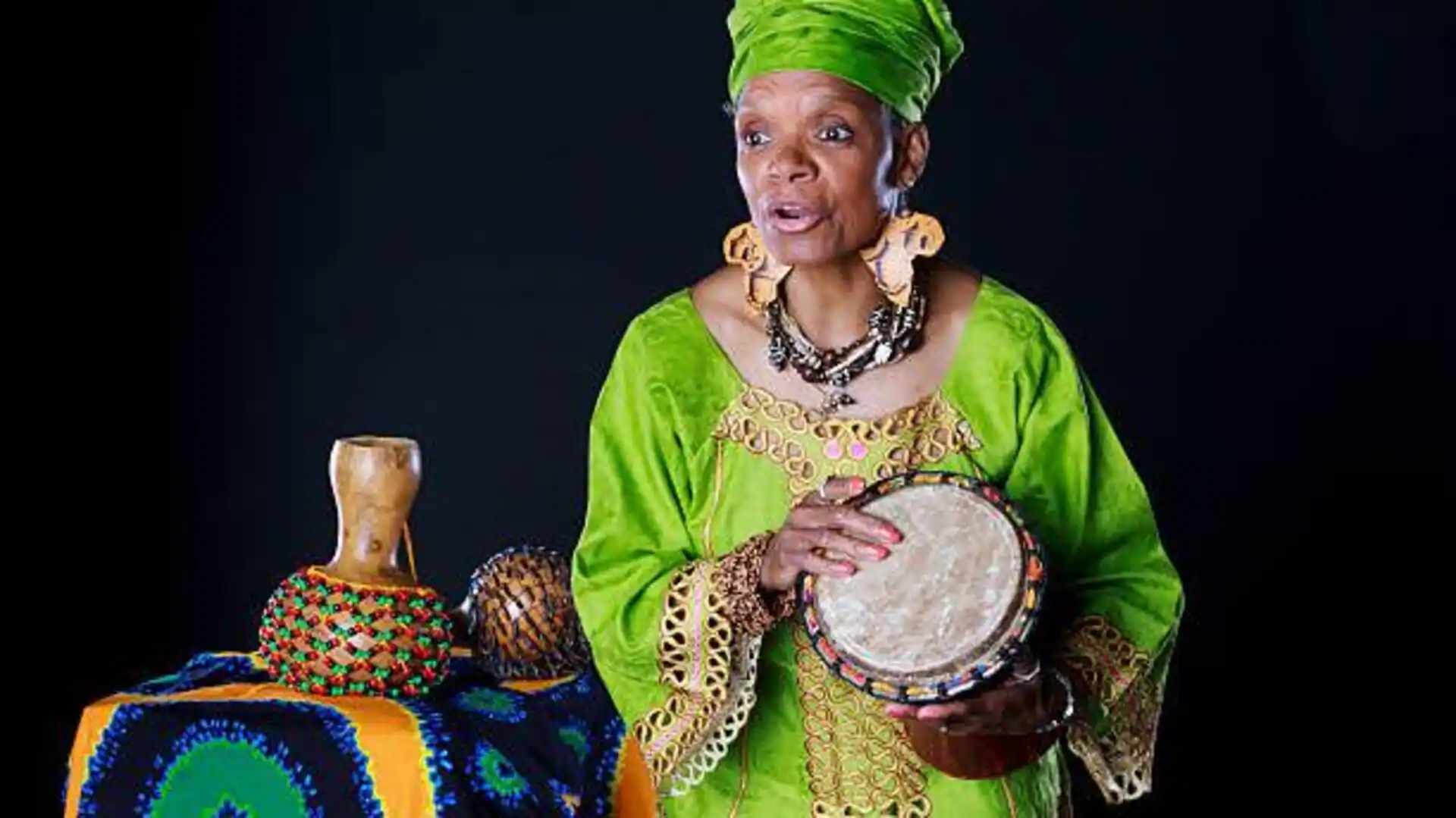

In the age of glowing screens, instant messaging, and streaming platforms, the ancient art of oral storytelling faces unprecedented challenges. For millennia, oral legends have been the heartbeat of human culture, threading together communities, preserving wisdom, and entertaining generations. From the epic poems of ancient civilizations to local folktales whispered around fires, these narratives shaped identities, morals, and collective memory. But now, in an era dominated by digital immediacy, questions arise: Are oral legends dying? And if so, what does that mean for humanity’s connection to its past, imagination, and community?
The Nature of Oral Legends
Oral legends are more than just stories; they are vessels of history, belief, and cultural identity. Unlike written texts, oral legends are fluid. They adapt to each storyteller’s style, the audience’s reactions, and the surrounding social context. This malleability makes them alive in a way that printed words rarely achieve. A single tale might exist in hundreds of variations, reflecting local customs, contemporary anxieties, or even political climates. When someone recounts a legend, they are participating in a dialogue with history itself, adding their own voice to an ongoing narrative.
Consider, for instance, the way heroic figures emerge in oral tradition. Heroes are rarely static; their virtues and flaws shift depending on the needs of the community. In one region, a hero might be celebrated for courage in battle; elsewhere, cunning and diplomacy take center stage. Oral legends are inherently democratic: they belong not to a single author but to everyone who tells them, shaping and reshaping collective imagination.
The Digital Disruption
Enter the digital age. Technology has changed not only how we communicate but also what we value in communication. Attention spans have shortened, and the preference for quick consumption—tweets, short videos, memes—can make the slow rhythm of oral storytelling feel archaic. Oral legends, which often require patience, imagination, and active listening, struggle to compete with the instant gratification of digital media.
Yet the digital era is not entirely a death knell for oral traditions. On the contrary, technology offers both threats and opportunities. Podcasts, video platforms, and social media have created new avenues for storytelling. In some cases, legends that might have vanished are being recorded, uploaded, and shared globally. The story of a mountain spirit from a remote village can now reach audiences thousands of miles away. However, the medium often alters the essence: storytelling is no longer a communal, interactive experience but a passive, consumable product.
The Decline of Communal Storytelling
Historically, oral legends thrived in communal settings. Around a fire, in village squares, or during ritual ceremonies, storytelling was a participatory act. Listeners contributed through laughter, gasps, questions, or reinterpretations. This interaction ensured that legends were living entities, constantly evolving. The digital environment, however, promotes solitary consumption. While one can watch a storytelling video online, the nuanced feedback loop between teller and audience—the emotional resonance, the improvisation—is often absent. This loss of interactivity is critical: it transforms dynamic folklore into static content.
Moreover, oral legends often carry ethical, social, and environmental lessons. The way these lessons were communicated—through rhythm, repetition, and metaphor—made them memorable. In a digital format, these subtleties can be flattened. Algorithms favor content that is catchy, short, and universally palatable, sometimes stripping away the local specificity that gives oral legends their depth.
Memory, Imagination, and the Mind

One of the most profound losses in the decline of oral legends is the effect on human imagination and memory. Listening to stories engages the brain in ways that reading or watching rarely replicate. Oral storytelling stimulates auditory processing, mental visualization, and empathetic reasoning. The act of reconstructing the narrative in the mind strengthens memory pathways, imagination, and cognitive flexibility. When legends are reduced to text snippets, voiceovers, or animated videos, the mental engagement diminishes. The listener becomes a passive recipient rather than an active participant.
Furthermore, oral legends serve as mnemonic devices. Epic tales, with their repetitive structures and patterned rhymes, help communities remember genealogies, laws, and historical events. Losing this oral tradition means losing a cognitive toolkit that humans have honed for millennia. Digital storage might preserve the story, but it cannot preserve the mental exercise that storytelling once demanded.
Adaptation or Extinction?
The question then becomes: Can oral legends survive in the digital era, or are they destined for extinction? History suggests that legends are remarkably adaptable. New media forms can absorb the essence of oral storytelling while transforming its delivery. Animated films, interactive games, and podcasts have incorporated elements of oral legend, often reaching wider audiences than ever before. For instance, narrative-driven podcasts encourage listeners to imagine characters and worlds, echoing the cognitive engagement of traditional storytelling.
Nevertheless, adaptation carries trade-offs. When legends are formatted for digital virality, they risk simplification. Cultural specificity can be sacrificed for broad appeal, moral lessons can be diluted, and the improvisational richness of live storytelling can vanish. There is also the challenge of attention: competing with a constant barrage of digital distractions, oral legends may struggle to retain relevance for younger generations.
Cultural Homogenization
The digital age fosters global connectivity, but it also accelerates cultural homogenization. Legends that once reflected local environments, languages, and customs may be reshaped to fit a more universal narrative. While this can promote cross-cultural appreciation, it may also erode the very uniqueness that makes oral legends valuable. When a story about a forest spirit in northern Europe is adapted for global consumption, elements tied to local ecology, dialect, and ritual may be lost. The legend survives, but its soul may not.
The Role of Education
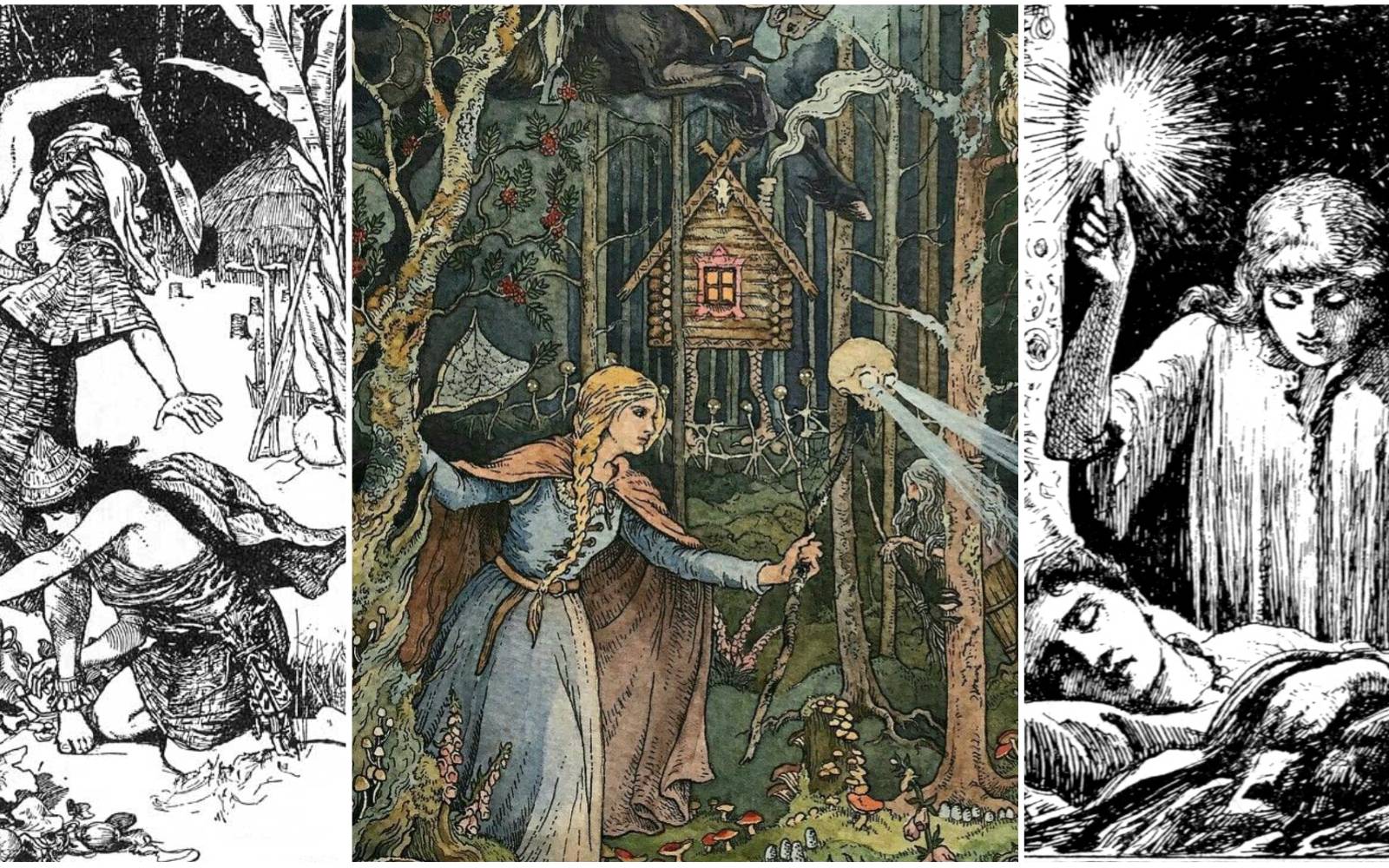
Education plays a crucial role in preserving oral legends. Schools, museums, and community programs can integrate oral storytelling into curricula, not merely as entertainment but as a study of language, culture, and ethics. Encouraging students to retell stories, analyze narrative structures, and perform local legends can bridge the gap between tradition and modernity. Technology can be a tool here, but the focus must remain on active participation rather than passive consumption.
For instance, students could record interviews with local elders, create digital storytelling projects, or adapt legends into short films. Such practices do more than preserve stories; they nurture a sense of identity, cultural continuity, and creative expression.
Oral Legends as Resistance
In many regions, oral legends are also a form of resistance. They preserve histories and perspectives that official records might ignore or suppress. Legends can encode political critique, social norms, or ethical codes in a way that is accessible to all members of a community. In the digital age, these narratives face both opportunity and danger. Social media can amplify marginalized voices, yet it can also dilute or commodify subversive content. The survival of oral legends may depend on balancing accessibility with authenticity.
The Emotional Dimension
There is also an emotional dimension to consider. Oral legends are shared experiences, binding communities through empathy, humor, fear, and awe. The physical presence of a storyteller, the cadence of voice, the suspense in pauses, the shared gasps—these are hard to replicate online. Digital media may provide stories, but it rarely provides the same emotional resonance. In this sense, the decline of oral legends is not merely cultural; it is psychological. We lose a form of human connection that has nourished societies for millennia.
Reimagining Oral Legends in the Digital Era
To prevent oral legends from dying, we must embrace reimagination rather than mere preservation. This involves creating hybrid spaces where digital technology amplifies, rather than replaces, oral storytelling. Virtual reality, interactive platforms, and collaborative online spaces could allow multiple participants to engage in dynamic storytelling, preserving the communal element. AI tools could assist storytellers in documenting and experimenting with narratives, but human creativity must remain central.
Another approach is micro-storytelling. Short, episodic legends can capture attention in a fast-paced world while preserving the essence of oral tradition. By blending tradition with innovation, oral legends can evolve without losing their core qualities: adaptability, cultural specificity, and communal engagement.
The Future of Oral Legends
Ultimately, oral legends are unlikely to disappear entirely—they are too deeply woven into human cognition, culture, and emotion. However, they will transform, and their survival will depend on conscious effort. Communities, educators, storytellers, and digital innovators must collaborate to ensure that oral legends remain living entities rather than relics. The challenge is not only technological but philosophical: how to maintain intimacy, authenticity, and participation in a world that favors speed, consumption, and uniformity.
As we navigate this digital age, oral legends remind us of the enduring power of human imagination and collective memory. They connect us to our ancestors, to our environment, and to one another. Preserving them is not merely about nostalgia—it is about safeguarding a vital mode of thinking, feeling, and being human.
Conclusion
Are oral legends dying in the digital age? The answer is nuanced. Traditional forms of storytelling, with fireside intimacy and communal participation, face undeniable pressures. Yet legends are remarkably resilient, capable of adapting to podcasts, virtual reality, and social media while maintaining their essence. The future of oral legends lies in hybridization—combining ancient techniques with modern platforms, preserving interactivity, emotional resonance, and cultural specificity.
Oral legends are more than stories; they are living memories, cognitive exercises, and moral compasses. Their survival depends on our willingness to value imagination, community, and the human voice in an increasingly digital world. If we succeed, oral legends will not die—they will thrive, echoing across centuries in new and unexpected forms.