





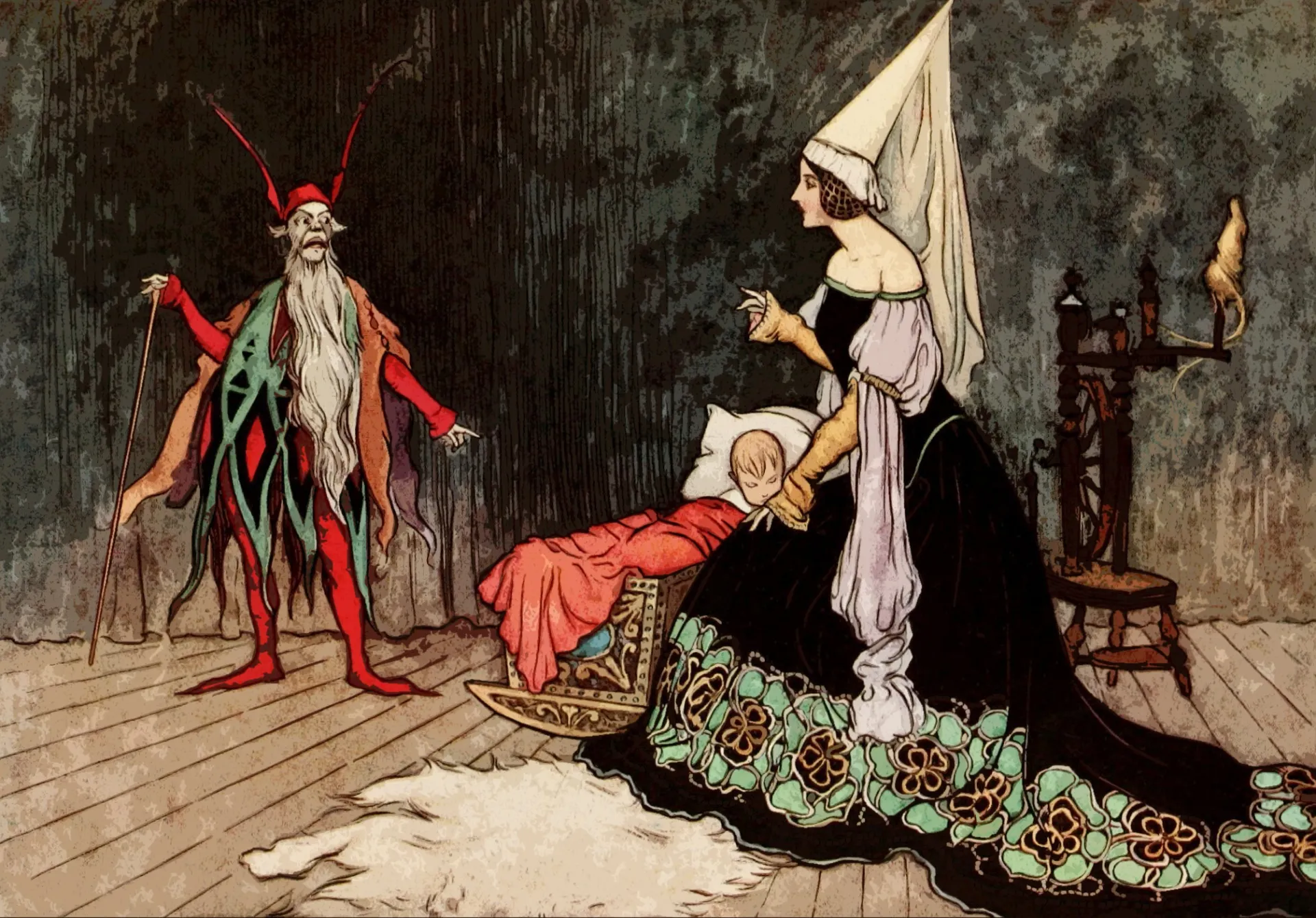

Fairy tales are among the earliest stories many of us encounter. From the moment children hear tales of princes, witches, and magical forests, they are introduced to a universe where right and wrong, courage and cowardice, kindness and cruelty play out in vivid, unforgettable ways. At first glance, these stories may appear to be nothing more than whimsical entertainment: talking animals, magical objects, and miraculous transformations. But beneath their surface lies a surprisingly sophisticated moral framework. Fairy tales are not merely fantasies; they are ethical laboratories, miniature worlds where readers and listeners can explore complex questions of human behavior safely and imaginatively.
The Historical Roots of Morality in Storytelling
Long before formal education systems existed, humans relied on stories to transmit values and societal norms. Folktales, myths, and legends functioned as communal guidelines for behavior. Fairy tales, in particular, often emerged from oral traditions, passed from one generation to another. These stories were adaptive, absorbing local customs, cultural taboos, and moral lessons along the way.
Consider the Grimm Brothers, whose 19th-century collections preserved tales that were already centuries old. Despite their seemingly dark and fantastical elements, many of these stories conveyed clear moral messages. For example, in “Hansel and Gretel,” the children’s cleverness and resilience are rewarded, while greed and cruelty are punished. This illustrates a basic ethical principle: virtuous behavior is socially and personally beneficial, while unethical actions have consequences.
Ethics Through Consequences and Rewards
One of the clearest ways fairy tales teach ethics is through consequences and rewards. In real life, ethical lessons are often abstract, difficult for children to grasp in a tangible way. Fairy tales simplify these lessons through narrative causality: good deeds lead to positive outcomes, and bad deeds lead to punishment.
Take “Cinderella” as an example. Cinderella’s kindness, patience, and humility contrast sharply with the cruelty and envy of her stepsisters. The story ensures that moral behavior is linked directly to tangible rewards—the prince’s love and social elevation—while immoral behavior results in social shame and personal loss. By embedding ethical lessons within narrative outcomes, fairy tales make morality concrete and memorable.
This mechanism works because humans, from a young age, are drawn to stories with clear patterns. Children intuitively understand that actions have consequences. By experiencing these consequences vicariously through characters, young readers internalize ethical norms without needing explicit instruction.
Archetypes as Ethical Guides
Fairy tales often rely on archetypes—recurring character types that embody particular moral qualities. Heroes represent courage, resilience, and integrity; villains embody selfishness, deceit, and malice; mentors provide wisdom and guidance. These archetypes simplify moral reasoning, offering children accessible models for ethical reflection.
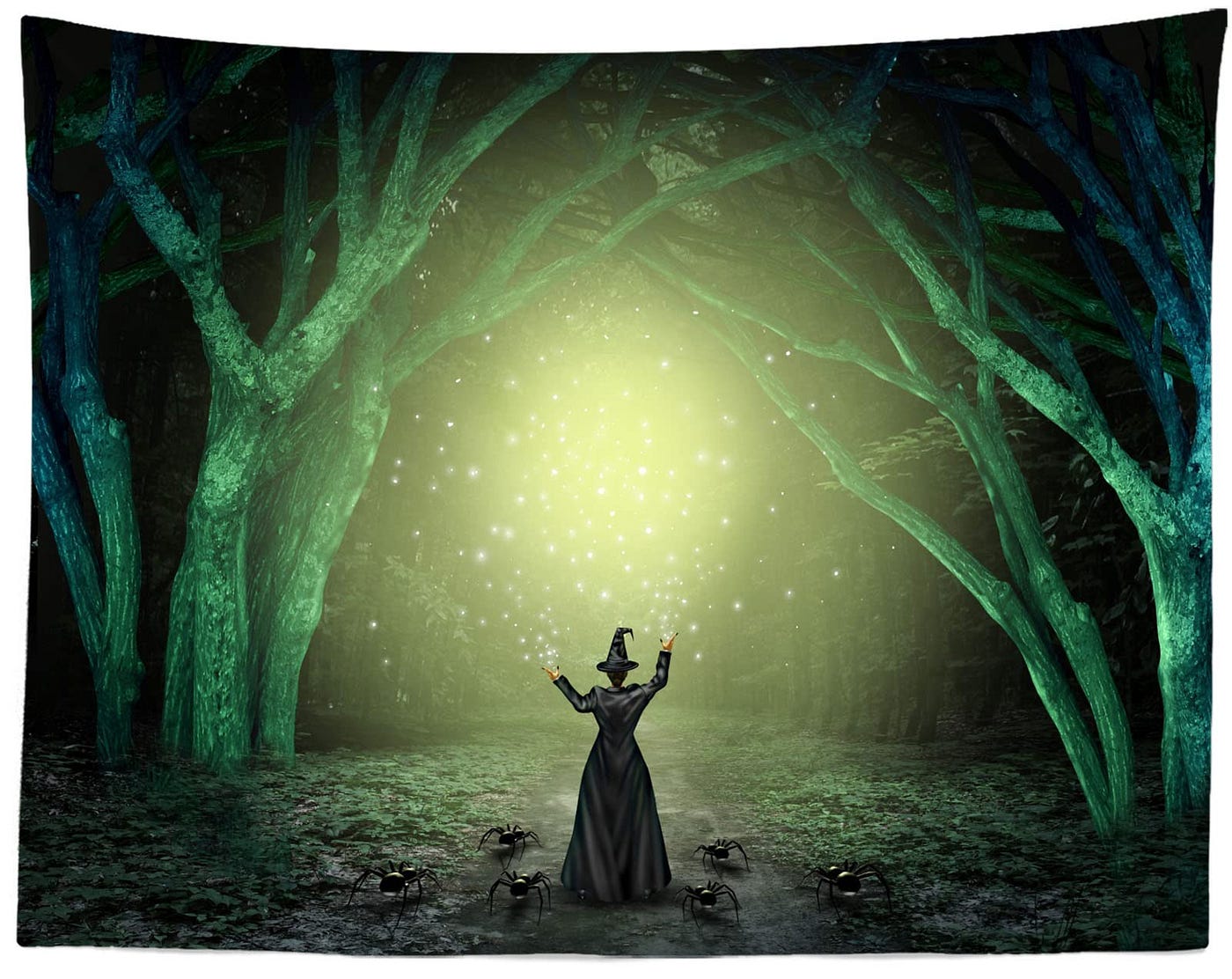
Consider the archetype of the “wise elder” or “mentor,” such as the fairy godmother in Cinderella. This character embodies ethical guidance, offering tools and advice that empower the protagonist to act rightly. Such figures reinforce the idea that seeking help, learning from experience, and making morally informed choices are desirable behaviors.
Villains, in contrast, are cautionary figures. In many fairy tales, their flaws—greed, pride, cruelty—lead to their downfall. By observing these outcomes, readers learn that ethical missteps have consequences not only for others but also for themselves. These archetypes serve as moral shorthand, enabling children and even adults to navigate complex ethical landscapes with clarity and imagination.
Moral Ambiguity and Ethical Reflection
While many fairy tales present clear moral dichotomies, some stories introduce ethical ambiguity. Characters may face difficult choices, moral dilemmas, or situations in which right and wrong are not immediately obvious. Such stories encourage reflection and critical thinking rather than rote moral learning.
For instance, in “Beauty and the Beast,” the Beast’s outward appearance initially conflicts with his inner virtue. Beauty must navigate her fear and prejudice to recognize true moral worth. This teaches a subtler lesson: ethical discernment requires judgment, empathy, and the willingness to see beyond superficial appearances. Fairy tales, therefore, are not limited to simple moral binaries; they cultivate nuanced ethical reasoning and emotional intelligence.
Social Ethics and Collective Responsibility
Beyond individual behavior, fairy tales also convey social ethics, emphasizing responsibilities toward family, community, and society. Many stories feature characters whose actions affect others, demonstrating that morality is relational, not merely personal.
For example, in “The Little Red Riding Hood,” the protagonist’s journey through the forest is fraught with potential danger. The story illustrates how vigilance, adherence to guidance, and awareness of social rules are necessary for personal safety and communal well-being. Similarly, tales of cooperative quests or communal problem-solving highlight the importance of empathy, collaboration, and social trust.
Fairy tales subtly embed cultural expectations of responsibility, teaching that ethical behavior extends beyond self-interest. By dramatizing the ripple effects of moral and immoral actions, these stories prepare children to navigate social complexity and cultivate a sense of accountability.
Ethics, Empathy, and Emotional Development
One of the most powerful contributions of fairy tales to ethical education is the development of empathy. Through identification with characters, readers experience a wide range of emotions, including fear, hope, guilt, and joy. This emotional engagement fosters moral imagination, allowing individuals to understand the perspectives and feelings of others.
When a child reads about a character suffering due to injustice or cruelty, they are invited to feel compassion. When a protagonist demonstrates courage or kindness, readers are encouraged to admire and emulate these traits. Unlike abstract moral instruction, fairy tales allow ethical lessons to be internalized emotionally, which research shows enhances long-term moral development.
The Role of Fantasy in Ethical Exploration
Fantasy is not merely decorative in fairy tales; it plays a crucial ethical function. By displacing moral dilemmas into imaginary worlds, fairy tales create a safe space for experimentation. Children can explore consequences, test judgments, and imagine alternative actions without real-world risk.
Magic, talking animals, and enchanted objects often serve as ethical catalysts. A magical mirror may reveal truth, a cursed forest may symbolize moral trials, and a talking animal may provide guidance or caution. These fantastical elements heighten engagement while reinforcing ethical lessons, making morality both captivating and memorable.
Cross-Cultural Ethical Themes
Interestingly, the ethical principles embedded in fairy tales are remarkably consistent across cultures, even when the stories themselves differ in plot or style. Themes of honesty, kindness, courage, justice, and the triumph of good over evil recur globally.
For instance, the Japanese tale of Momotaro, the Peach Boy, emphasizes bravery, teamwork, and loyalty, mirroring the ethical lessons of European heroic tales. African folktales featuring clever animals often reward intelligence, fairness, and communal responsibility, echoing the ethical frameworks found in Western stories. This universality suggests that fairy tales tap into shared human values, providing a foundation for cross-cultural moral understanding.
Critiques and Ethical Complexity
It is important to acknowledge that not all fairy tales are ethically straightforward. Some narratives reinforce problematic stereotypes, gender roles, or hierarchical social structures. For example, traditional tales often privilege passive female virtues while glorifying male heroism. Modern scholars and educators critically examine these elements, prompting adaptations that preserve ethical lessons while addressing outdated social norms.
Nevertheless, even these critiques reveal an important ethical insight: the stories we tell—and how we interpret them—shape moral development. By engaging with fairy tales critically, readers learn to question authority, challenge injustice, and refine their own ethical frameworks. Fairy tales, therefore, not only teach morality directly but also foster the skills for ethical reasoning in a complex world.
Fairy Tales and Modern Moral Education
In contemporary education, fairy tales continue to serve as ethical tools. Teachers use these stories to spark discussion about honesty, empathy, fairness, and courage. Literature programs often integrate fairy tales with questions such as:
- What would you have done differently in the story?
- Why did the character act as they did?
- How do the story’s outcomes reflect moral principles?
These discussions encourage critical thinking and moral reflection, demonstrating that fairy tales are not relics of the past but dynamic instruments for ethical education.
Conclusion: The Hidden Curriculum of Fairy Tales
Fairy tales are far more than fanciful entertainment. They function as moral laboratories, allowing readers to explore the consequences of actions, understand ethical archetypes, and cultivate empathy. Through consequence-driven plots, archetypal characters, ethical dilemmas, and fantastical scenarios, these stories embed morality in ways that are both accessible and engaging.
Moreover, fairy tales teach that ethics is not only about personal behavior but also about social responsibility, empathy, and critical judgment. Even in stories that seem simple or whimsical, the hidden curriculum of morality is ever-present, subtly shaping the ethical sensibilities of generations.
In essence, fairy tales are secret ethical tutors. They train the imagination to recognize virtue, to anticipate consequences, and to understand the complex web of human relationships. By doing so, they prepare young minds not only to navigate the challenges of childhood but also to engage thoughtfully with the ethical complexities of adult life.
Fairy tales may enchant us with magic, adventure, and transformation, but their enduring power lies in something even more magical: their ability to teach ethics without ever appearing to do so.