







Introduction: The Quiet Power of One Frame
Can a single image tell a thousand stories? The question sounds poetic, almost rhetorical, yet it touches a deeply technical, psychological, cultural, and artistic reality. Images are among the most efficient carriers of meaning ever created by humans. Long before writing systems existed, images were already recording hunts, rituals, fears, and dreams on cave walls. Today, in an era of instant sharing and shrinking attention spans, images have become even more dominant. We scroll past hundreds of them daily, often without conscious thought, yet some images stop us. They slow us down. They stay with us. They invite interpretation, emotion, memory, and debate.
An image does not speak in sentences, yet it communicates across languages. It does not argue logically, yet it persuades. It does not explain itself, yet it demands explanation. This paradox is what gives images their enduring power. A single image can be documentation and fiction, evidence and metaphor, fact and feeling—all at once.
This article explores how and why a single image can indeed tell a thousand stories. We will examine the mechanics behind visual storytelling, the role of perception and cognition, the influence of culture and context, and the professional principles that allow images to communicate with clarity and depth. Along the way, we will see that images do not merely show reality; they actively shape it.
1. Seeing Is Not Passive: How the Brain Reads Images
When we look at an image, we are not simply receiving visual information. We are actively constructing meaning. Vision is an interpretive process, not a mechanical one.
The human brain processes images faster than text. This is not a metaphor—it is a biological fact. Visual signals reach the brain and are interpreted in milliseconds. But speed does not equal simplicity. The brain immediately begins sorting shapes, identifying patterns, detecting faces, and assessing emotional cues. Color, contrast, motion (or implied motion), and spatial relationships are all analyzed almost simultaneously.
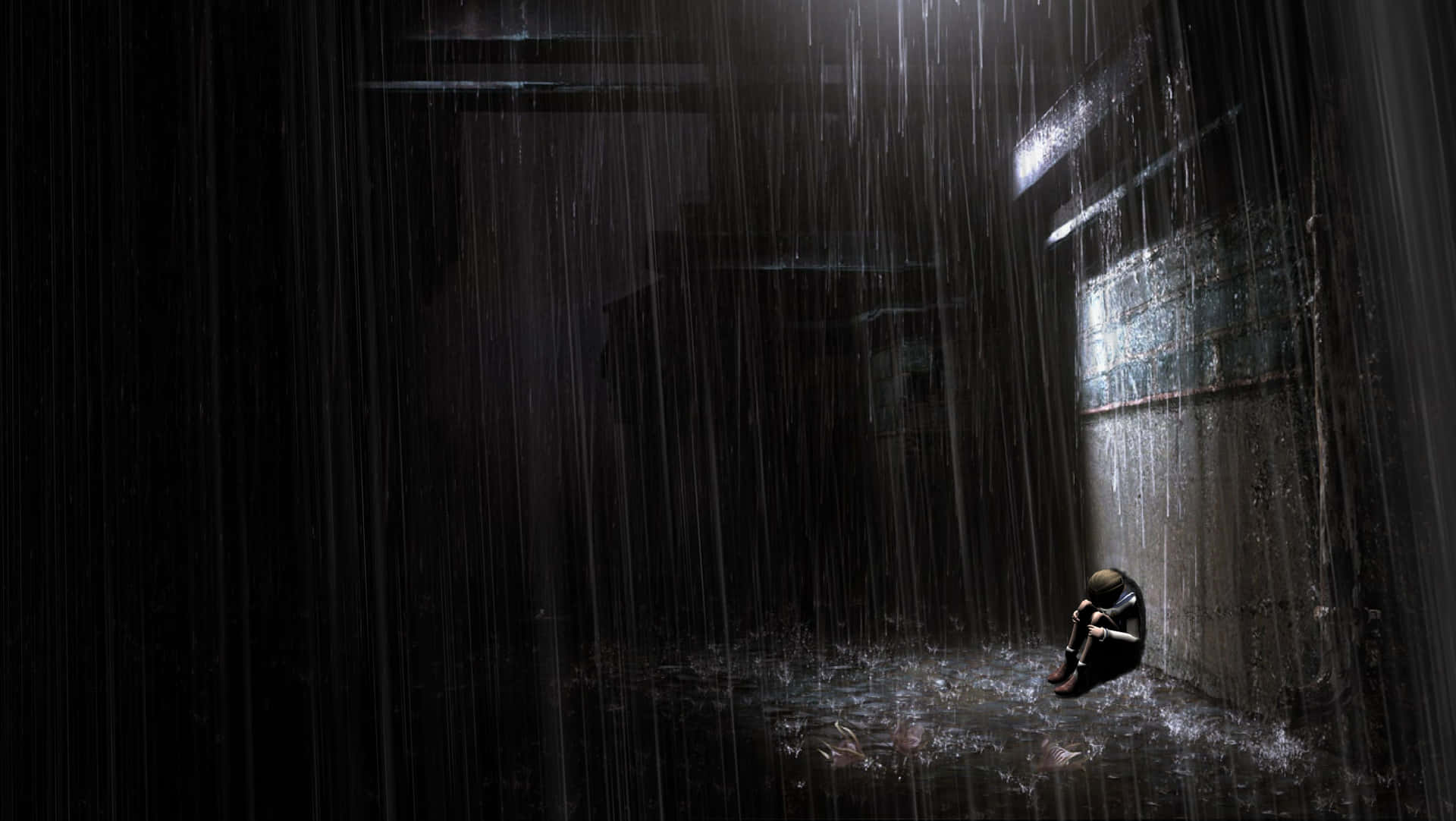
What makes this process remarkable is how much inference is involved. When you see a photograph of a person standing alone at a bus stop in the rain, you do not just see a person, a bus stop, and rain. You may infer loneliness, patience, exhaustion, or hope. None of these emotions are literally visible, yet they feel real.
This is because images activate prior knowledge and personal memory. The brain fills gaps automatically. An image is less like a statement and more like a trigger. It starts a chain reaction of associations that differs slightly—or dramatically—from viewer to viewer.
This cognitive flexibility is the first reason a single image can contain countless stories.
2. Compression of Meaning: Why Images Carry So Much Information
Images are dense. A well-composed image can compress time, space, emotion, and narrative into a single frame. Where a paragraph explains sequentially, an image presents everything at once.
Consider the elements that can coexist in one image:
- Subject and environment
- Foreground, midground, and background
- Light and shadow
- Gesture and posture
- Symbolic objects
- Color temperature and tonal contrast
Each of these elements can carry independent meaning, yet they interact with one another. A child holding a balloon means something different in a crowded city than in an empty field. The balloon itself may suggest joy, fragility, or loss, depending on context.
This compression makes images powerful but also ambiguous. Ambiguity is not a weakness; it is an invitation. It allows viewers to enter the image with their own experiences. Words tend to narrow interpretation. Images tend to expand it.
Professionally, this is why images are so effective in journalism, advertising, education, and art. They can communicate layered messages without overwhelming the audience.
3. Time Frozen: Images as Narrative Pauses
Unlike video or text, images freeze time. This freeze creates a unique narrative tension. We are always aware that something happened before the image and something will happen after it.
This awareness invites storytelling. When we see a photograph of a runner crossing a finish line, we imagine the training, the fatigue, the setbacks, and the competition that led to that moment. When we see a cracked teacup on a table, we may imagine an argument, an accident, or years of quiet use.
The stillness of an image is deceptive. It is full of implied motion. A raised hand suggests an imminent action. A turning head suggests attention shifting. A door half-open suggests entry or escape.
In this way, images function like narrative punctuation marks. They are pauses loaded with possibility.
4. Emotion Without Explanation: The Affective Strength of Images
Images can make us feel before we understand. This emotional immediacy is one of their defining characteristics.
Facial expressions, body language, and environmental cues can trigger empathy almost instantly. We do not need to know someone’s name, history, or language to sense fear, joy, or sadness. This is partly biological and partly learned, but it is universal enough to transcend cultural boundaries.
Professional image-makers—photographers, designers, illustrators—understand this deeply. They use composition and lighting not just to show subjects, but to guide emotional response. Soft light can create intimacy. Harsh contrast can create tension. Wide empty spaces can evoke isolation.
Emotion is what turns an image from information into experience. Once emotion is involved, storytelling begins naturally in the viewer’s mind.
5. Context Is the Invisible Frame
An image never exists alone. Context surrounds it like an invisible frame.
The same image can tell radically different stories depending on where and how it is seen. A photograph displayed in a museum invites contemplation. The same photograph on a news website invites judgment. On social media, it invites reaction, remixing, and reinterpretation.
Context includes:
- Cultural background
- Historical moment
- Caption or lack of caption
- Platform and audience
- Personal experience of the viewer
A raised fist can symbolize resistance, unity, or aggression depending on context. A smile can be read as warmth, politeness, or concealment.
This contextual flexibility is another reason images are endlessly interpretable. They are not fixed messages; they are adaptable signals.
6. Cultural Lenses: One Image, Many Worlds
Culture shapes how we read images. Symbols that feel obvious in one culture may be opaque or misleading in another.
Color is a classic example. White can symbolize purity in some cultures and mourning in others. Red can mean luck, danger, celebration, or warning. Even gestures are not universal. Eye contact, posture, and personal space vary widely in meaning.
Yet images still communicate across cultures because they operate on multiple levels. Even if symbolic meaning changes, emotional and situational cues often remain accessible.
This layered communication allows a single image to host multiple cultural narratives simultaneously. Each viewer brings their own interpretive lens, enriching the image rather than diminishing it.
7. The Professional Craft Behind Powerful Images
While images invite subjective interpretation, they are not accidental. Powerful images are usually the result of deliberate choices.
Professionals consider:
- Framing: What is included and excluded
- Perspective: Eye-level, low-angle, or high-angle views
- Timing: The decisive moment
- Color palette: Harmony or contrast
- Visual hierarchy: Where the eye goes first
These choices guide interpretation without dictating it. The goal is not to control the viewer, but to lead them.
A well-crafted image respects the intelligence of its audience. It provides enough structure to communicate clearly, and enough openness to invite participation.
8. Images as Evidence and as Interpretation
Images often carry an aura of truth. “Seeing is believing” remains a powerful idea. Yet images are not neutral. They reflect choices, limitations, and intentions.
A photograph can document reality, but it can also frame reality selectively. What lies outside the frame can be as important as what lies inside it. Lighting, angle, and moment can all influence perception.
Understanding this dual nature—image as evidence and image as interpretation—is essential for visual literacy. It allows viewers to appreciate images without surrendering critical thinking.
A single image can tell many stories, but none of them are the whole story.
9. Memory, Imagination, and the Afterlife of Images
Some images linger long after we stop looking at them. They resurface in memory, dreams, and conversations. Over time, they may even change in our minds.
Memory is not a perfect archive. It reshapes images, blending them with other experiences. An image you saw once can gain new meaning years later because you have changed.
This evolving relationship gives images a kind of afterlife. They continue to tell new stories as long as someone remembers them.
10. The Ethical Dimension of Visual Storytelling
With great power comes responsibility. Images can inform, but they can also manipulate. They can humanize, but they can also stereotype. They can inspire empathy, or they can exploit emotion.
Ethical visual storytelling requires awareness of impact. Who is represented? Who is missing? Whose story is being told, and who is telling it?
Professionals must balance clarity with respect, emotion with accuracy, and storytelling with accountability.
A single image can tell a thousand stories, but not all stories deserve to be told in the same way.
11. Images in the Age of Abundance
We live in a time of visual overload. Cameras are everywhere. Images are endless. Paradoxically, this makes meaningful images more valuable, not less.
When everything is visible, attention becomes the rare resource. Images that succeed today are not necessarily louder or more dramatic. They are often quieter, more precise, and more thoughtful.
They respect the viewer’s time and intelligence. They offer depth instead of noise.
In this environment, the question is no longer whether an image can tell a thousand stories, but whether we are willing to stop and listen.
12. Why the Question Still Matters
So, can a single image tell a thousand stories? Yes—but not because it contains a thousand answers. It does so because it invites a thousand questions.
Images are mirrors and windows. They reflect who we are and show us who we might become. They connect private emotion with shared experience. They turn moments into meaning.
The stories do not live inside the image alone. They emerge in the space between the image and the viewer. That space is dynamic, personal, and endlessly creative.
As long as humans see, feel, remember, and imagine, a single image will never tell just one story.