




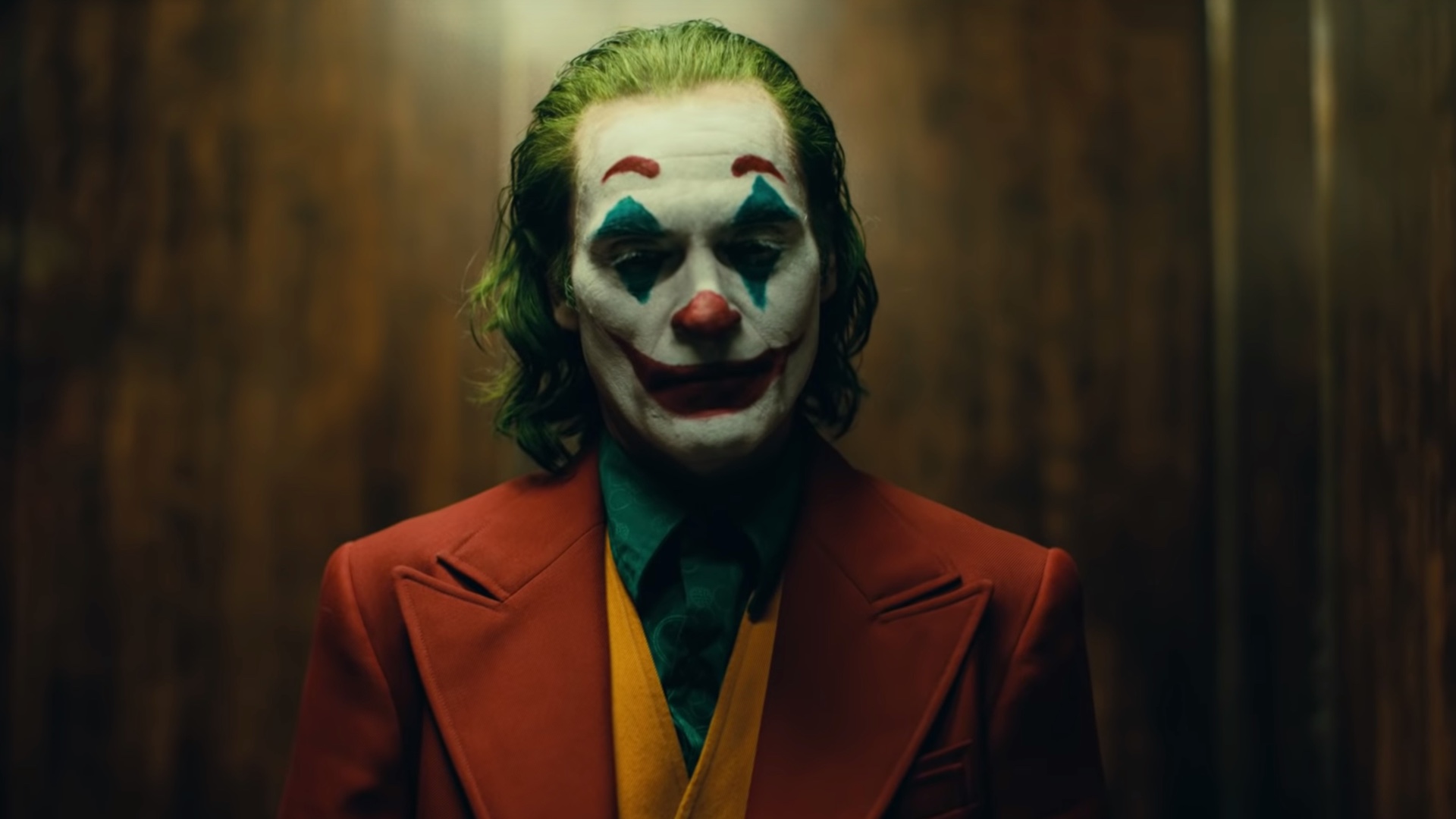

At first glance, the question feels almost rebellious. Stories have trained us well. We know where inspiration is supposed to live. It belongs to the hero: the brave soul who answers the call, defeats the darkness, and restores order. The villain, by contrast, is the obstacle, the cautionary tale, the moral warning sign flashing red at the edge of the narrative road.
And yet, again and again, audiences find themselves leaning forward not when the hero speaks, but when the villain does. We quote them. We analyze them. We sympathize with them, sometimes against our own better judgment. We leave the theater thinking less about how the hero won, and more about whether the villain was right.
This is not a coincidence, nor is it a failure of storytelling. It is a signal that inspiration is more complex than moral correctness, and that human beings are often moved more deeply by struggle than by victory. A villain’s story, under certain conditions, can be not only compelling but profoundly inspiring—sometimes more so than the hero’s.
To understand why, we need to rethink what inspiration actually means, how narratives shape our inner lives, and why darkness, paradoxically, can illuminate truths that light alone cannot.
Rethinking Inspiration: Beyond Moral Approval
In everyday language, “inspiring” is often treated as a synonym for “good” or “virtuous.” An inspiring person is someone we should imitate. An inspiring story is one that teaches us how to live correctly. By this definition, villains should never inspire us at all.
But that definition is too narrow for how inspiration actually works.
Psychologically, inspiration is a state of heightened motivation and insight. It does not necessarily tell us what to do; it shows us what is possible. It expands the perceived boundaries of human capacity—emotionally, intellectually, or existentially. A story can inspire us by provoking thought, revealing hidden truths, or forcing us to confront uncomfortable aspects of ourselves.
Under this broader definition, moral approval becomes optional. A villain does not need to be right to be inspiring. They only need to be revealing.
And villains, almost by design, reveal what heroes often conceal.
The Structural Advantage of the Villain
From a narrative standpoint, villains often enjoy structural advantages that heroes do not.
Heroes typically begin with a moral baseline. Even when flawed, they are aligned with the story’s ethical center. Their journey is about growth within a known framework: courage over fear, compassion over cruelty, responsibility over selfishness. The arc is uplifting, but also predictable.
Villains, on the other hand, begin at the edges—of society, of morality, of sanity. Their motivations must be explained, justified, or at least made intelligible. This necessity gives them depth. We are invited into their past, their wounds, their reasoning. We see not just what they do, but why they believe it must be done.
In practical terms, this means villains often receive:
- Clear, personal motivations rooted in trauma or injustice
- A coherent worldview that challenges the status quo
- Strong agency and decisiveness
- A sense of inevitability or tragic momentum
Heroes react. Villains initiate.
This imbalance alone can make a villain’s story feel more dynamic, more psychologically rich, and more relevant to real human experience.
Villains and the Courage to Act
One of the most quietly inspiring traits villains often possess is courage—not moral courage, but existential courage.
Villains tend to act without asking permission. They reject social consensus. They are willing to be hated, feared, or misunderstood in pursuit of their goals. While their goals may be destructive or unethical, the sheer force of their commitment can be arresting.
In contrast, heroes frequently hesitate. They doubt themselves. They seek guidance, reassurance, or destiny’s approval. These traits make them relatable, but they also dilute the sense of agency.
For audiences living in systems where action feels constrained—by bureaucracy, social norms, economic pressure—the villain’s refusal to comply can feel strangely liberating. It represents a fantasy of autonomy: the idea that one could act decisively, even at great cost.
This does not mean viewers want to become villains. It means they recognize, in the villain’s defiance, a part of themselves that feels suppressed.
The Villain as a Mirror
Perhaps the most powerful way a villain inspires is by functioning as a mirror.
Heroes often represent who we want to be. Villains represent who we fear we might become—or who we already are, in fragments we prefer not to examine.
A well-written villain exposes uncomfortable truths:
- That suffering can twist good intentions into cruelty
- That ideals, when absolutized, can justify harm
- That resentment can feel rational when pain is ignored
- That intelligence and morality are not the same thing
When a villain articulates these truths clearly, audiences experience a jolt of recognition. Not agreement, but understanding.
This understanding can be transformative. It invites self-examination. It forces us to ask: under different circumstances, with enough pressure, could I make similar choices? Where is my own line—and how solid is it?
Inspiration, in this sense, comes from awareness rather than aspiration.
Tragic Villains and the Power of Lost Potential
Tragedy has always been one of the deepest sources of inspiration in human storytelling, and villains are often tragic figures at their core.

A tragic villain is not evil by nature but shaped by loss, betrayal, or systemic failure. Their story is not about corruption alone, but about wasted potential. We see what they could have been—and what the world, or their own choices, prevented them from becoming.
This sense of loss resonates deeply. It reminds us that:
- Outcomes are not guaranteed
- Circumstances matter
- Small interventions can have massive consequences
A hero’s success may inspire us to try harder. A villain’s tragedy may inspire us to pay attention—to injustice, to suffering, to the quiet moments where a life can still be redirected.
In a world increasingly aware of structural inequality and psychological trauma, these stories feel painfully relevant.
Villains Who Question the Moral Order
Heroes usually operate within the moral framework of their world. Villains challenge it.
Some of the most compelling villains do not simply oppose the hero; they expose contradictions in the society the hero is trying to protect. They ask questions the narrative cannot easily dismiss:
- Who benefits from the current system?
- Whose suffering is considered acceptable?
- Is peace maintained by justice, or by suppression?
- What happens when laws protect harm rather than prevent it?
When villains raise these questions, they often force heroes—and audiences—into uncomfortable territory. The hero may still win, but the victory feels incomplete. Something remains unresolved.
This unresolved tension is fertile ground for inspiration. It pushes viewers beyond passive consumption and into critical thinking. It suggests that the world is not neatly divided into right and wrong, and that moral responsibility does not end with defeating a single antagonist.
Inspiration here is intellectual rather than emotional, but no less powerful.
The Aesthetic of Villainy
We should not underestimate the role of aesthetics.
Villains are often given sharper dialogue, more striking visual design, and stronger thematic symbolism. Their presence is theatrical, deliberate, and memorable. They speak in monologues that articulate philosophy rather than platitudes. They dress in ways that signal identity rather than conformity.
This aesthetic intensity contributes to their inspirational pull. It communicates confidence, clarity, and purpose. Even when the content is disturbing, the form is compelling.
Humans are drawn to coherence. A villain who knows exactly who they are—even if they are wrong—can feel more solid than a hero still figuring themselves out.
Villains and the Myth of Self-Made Identity
Another reason villain stories resonate is that they often center on self-authorship.
Heroes are frequently chosen. They are selected by prophecy, destiny, lineage, or circumstance. Their journey is meaningful, but it is also framed as inevitable.
Villains choose themselves.
They reject the roles assigned to them and create new identities, often in direct opposition to social expectations. This act of self-definition can be perversely inspiring, especially in cultures that emphasize individuality and self-expression.
The danger, of course, is that self-authorship without ethical grounding becomes tyranny. But the initial impulse—the refusal to be defined by others—is one many people recognize and admire.

When Heroes Become Symbols and Villains Stay Human
As stories grow larger, heroes often become symbols. They represent ideals: hope, justice, freedom, balance. Symbols are powerful, but they are also abstract.
Villains, by contrast, often remain stubbornly human. They feel anger, jealousy, grief, and desire with raw intensity. Their emotions are messy and unfiltered.
This emotional immediacy creates intimacy. We may admire the hero, but we understand the villain.
Inspiration thrives on understanding. When a story helps us understand human emotion more deeply—even dark emotion—it equips us to navigate our own lives with greater awareness.
The Risk and Responsibility of Villain Inspiration
It is important to acknowledge the risk in finding villains inspiring.
There is a fine line between understanding and endorsement. Stories that glamorize cruelty or justify harm without consequence can blur moral boundaries in unhealthy ways. Especially for younger or more vulnerable audiences, this can be dangerous.
However, the solution is not to flatten villains into caricatures. It is to contextualize them. To show consequences. To allow complexity without celebration.
When done responsibly, villain-focused narratives can foster empathy without excusing harm, and insight without imitation.
Real Life Is Closer to Villain Stories Than Hero Stories
One uncomfortable truth is that most people do not experience life as a heroic arc.
We are not always rewarded for doing the right thing. We are shaped by systems we did not choose. We carry wounds that influence our behavior long after the original harm has passed. We make compromises, rationalize mistakes, and live with regret.
Villain stories often acknowledge these realities more honestly than heroic ones. They depict failure, bitterness, and moral ambiguity not as exceptions, but as structural features of human life.
For many readers and viewers, this honesty is deeply validating. It says: your struggle does not make you weak or broken. It makes you human.
That recognition can be profoundly inspiring.
Inspiration as Warning, Not Blueprint
One of the most mature ways a villain’s story inspires is as a warning.
A warning is not a prohibition; it is an invitation to reflection. By watching how a character’s pain curdles into cruelty, or how conviction hardens into fanaticism, we are prompted to examine our own trajectories.
Where am I holding onto resentment?
Which beliefs am I refusing to question?
What lines am I telling myself I would never cross?
In this sense, the villain’s story inspires growth through prevention rather than aspiration. It encourages us to intervene earlier in our own lives, to choose differently while choice is still available.
When the Villain Outgrows the Story
Sometimes, a villain becomes more inspiring simply because the hero does not evolve.
In long-running franchises or mythic structures, heroes can become static—trapped by their symbolic roles. Villains, introduced later or given reinvention, may reflect more contemporary anxieties and ideas.
As society changes, audiences may find the villain’s questions more relevant than the hero’s answers. This does not mean the villain is right; it means the story’s moral center has failed to keep pace with reality.
In these cases, the villain’s inspiration is a critique—not just of the fictional world, but of the narrative itself.
The Paradox of Darkness and Growth
Human psychology has long recognized that growth often comes through confrontation rather than comfort.
Villain stories confront us with:
- The consequences of neglect
- The fragility of morality under pressure
- The cost of ignoring pain
- The seductive logic of extremism
These confrontations can be painful, but they are also illuminating. They push us to articulate our values more clearly, to defend them more thoughtfully, and to recognize where they might fail.
Heroes reassure us. Villains challenge us.
Both are necessary. But challenge, more often than reassurance, is what drives transformation.
So, Can a Villain’s Story Be More Inspiring?
Yes—but not because villains are better than heroes, or because darkness is superior to light.
A villain’s story can be more inspiring because it is often more honest about struggle, more daring in its questions, and more reflective of the fractured world we actually inhabit.
It inspires not by offering a model to imitate, but by demanding that we think, feel, and choose more carefully.
In a sense, the most inspiring villain stories do not ask us to admire the villain. They ask us to understand ourselves.
And sometimes, that is the most heroic journey of all.