






Imagine stepping off a winding cobblestone path into a place where the world seems to have paused. The air carries a faint scent of old timber and freshly turned soil, the sound of distant bells echoes softly, and every building, every street, seems to whisper stories from centuries past. This is not a scene from a fantasy novel. Across the globe, tucked away from the modern frenzy, there are villages that appear frozen in time, waiting for curious travelers to wander through their quiet streets and discover their secrets.
The idea of a “village frozen in time” is more than just a romantic notion. It represents a blend of history, architecture, culture, and human experience that resists the fast-forward pace of modern life. In this article, we will explore what makes such villages so captivating, why they endure, and how you can seek them out. Along the way, we’ll dive into architectural marvels, local traditions, and natural landscapes that all contribute to the magical aura of these timeless places.
The Allure of Timeless Villages
What makes a village feel frozen in time? Several elements contribute to this perception:
1. Architecture That Defies Modern Trends
Timeless villages often preserve structures built hundreds of years ago. Think of stone cottages with steep thatched roofs, narrow alleyways lined with irregular cobblestones, or wooden balconies adorned with cascading flowers. Unlike cities constantly reshaped by new architectural trends, these villages retain their original character, allowing visitors to literally walk through history.
Many villages have strict preservation laws to prevent modern construction from disrupting the visual harmony. This creates a living museum of architectural styles—from medieval timber-framed houses in Europe to adobe dwellings in Latin America. In these places, even minor details like door handles, lamp posts, and window shutters tell a story about the people who once lived there.
2. Slow-Paced Life
Time in these villages seems to move differently. Markets open late, and streets remain quiet in the afternoons. People greet each other by name, and artisans practice crafts passed down through generations. The pace allows visitors to savor small moments—a cup of locally brewed tea at sunrise, the rhythmic clatter of wooden wheels on cobblestones, or the aroma of freshly baked bread drifting from an oven.
This slow pace contrasts sharply with the hurried rhythm of cities, where life often feels like a continuous stream of notifications, deadlines, and traffic jams. Here, there’s space to breathe, observe, and reflect.
3. Strong Community Bonds
Frozen-time villages are often characterized by tightly knit communities. Residents share responsibilities, traditions, and celebrations. Seasonal festivals, communal meals, and rituals bind people together, creating a social cohesion that’s increasingly rare in modern urban environments. Visitors often remark on the warmth and hospitality of villagers, who treat outsiders not as mere tourists but as temporary neighbors.
4. Connection to Nature
Many timeless villages exist in harmony with their surroundings. Rolling hills, crystal-clear rivers, and lush forests are not backdrops—they’re part of the village’s identity. Residents rely on the land for food, water, and inspiration, fostering a relationship with nature that urban life often obscures. Whether it’s terraced fields, flower-filled meadows, or tree-lined lanes, the natural environment reinforces the feeling that these villages are untouched by time.
Notable Villages That Seem Frozen in Time
Let’s explore some archetypes and examples of villages around the world that embody this frozen-in-time charm:
1. European Medieval Villages
Europe is dotted with villages that have preserved their medieval character. Narrow streets wind between stone houses, ancient churches tower above central squares, and fortifications still guard old town centers. Examples include:
- Rothenburg ob der Tauber, Germany: Famous for its perfectly preserved medieval walls, half-timbered houses, and cobbled streets, it’s like walking inside a storybook.
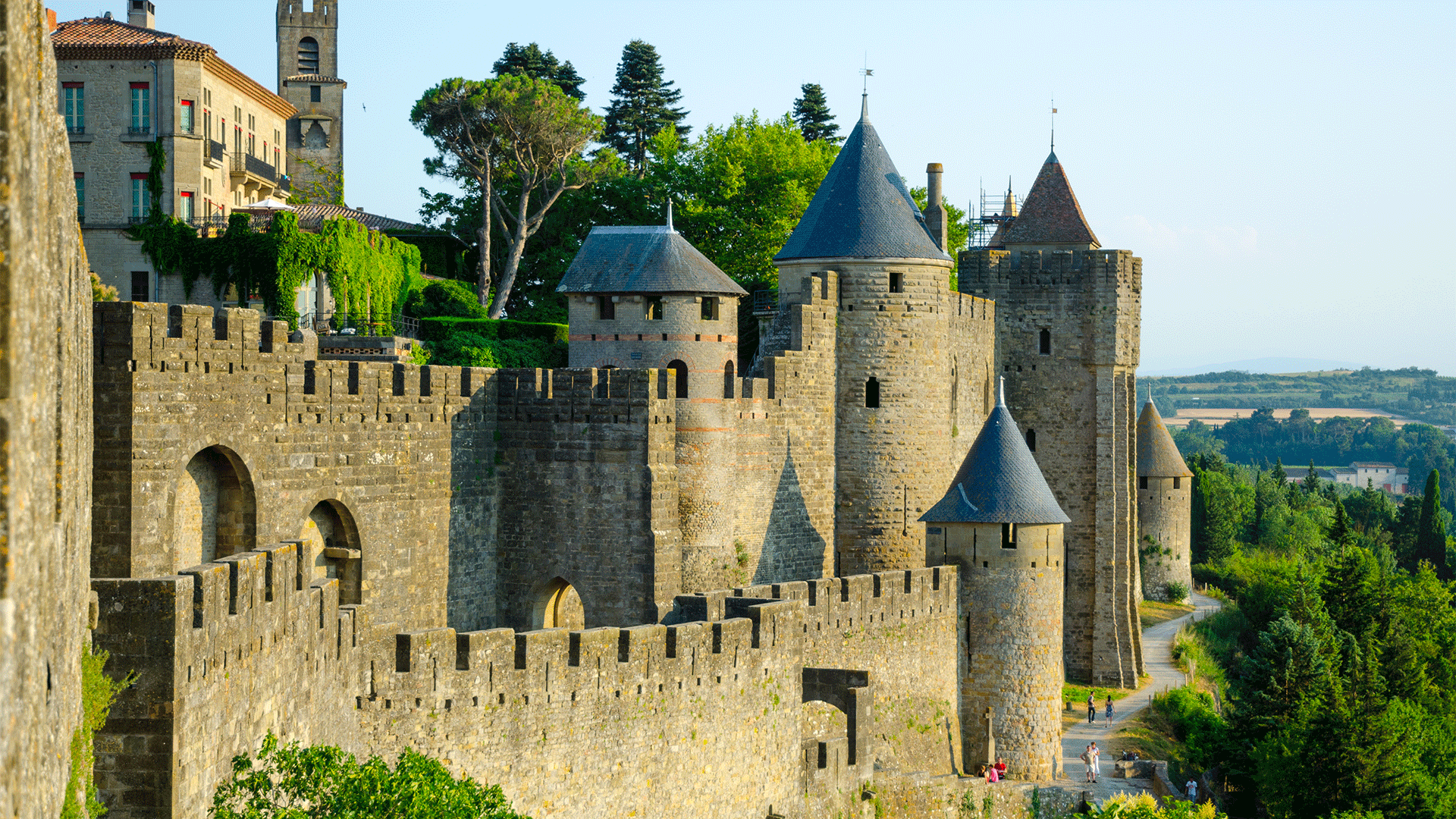
- Carcassonne, France: A fortified town where the past is not just remembered—it’s built into every wall, turret, and gate.
- Hallstatt, Austria: Nestled by a serene lake and surrounded by mountains, Hallstatt’s pastel-colored houses appear untouched for centuries.
These villages offer not only visual beauty but also cultural experiences: traditional crafts, seasonal festivals, and local culinary specialties that have been maintained for generations.
2. Japanese Edo-Era Towns
Japan offers villages that transport visitors back to the Edo period (1603–1868). Wooden machiya townhouses, narrow lanes, and carefully maintained gardens create a serene atmosphere:
- Shirakawa-go: Famous for its gassho-zukuri farmhouses with steep thatched roofs designed to withstand heavy snowfall.
- Takayama: Preserves its old town streets with merchants’ houses, sake breweries, and traditional markets.
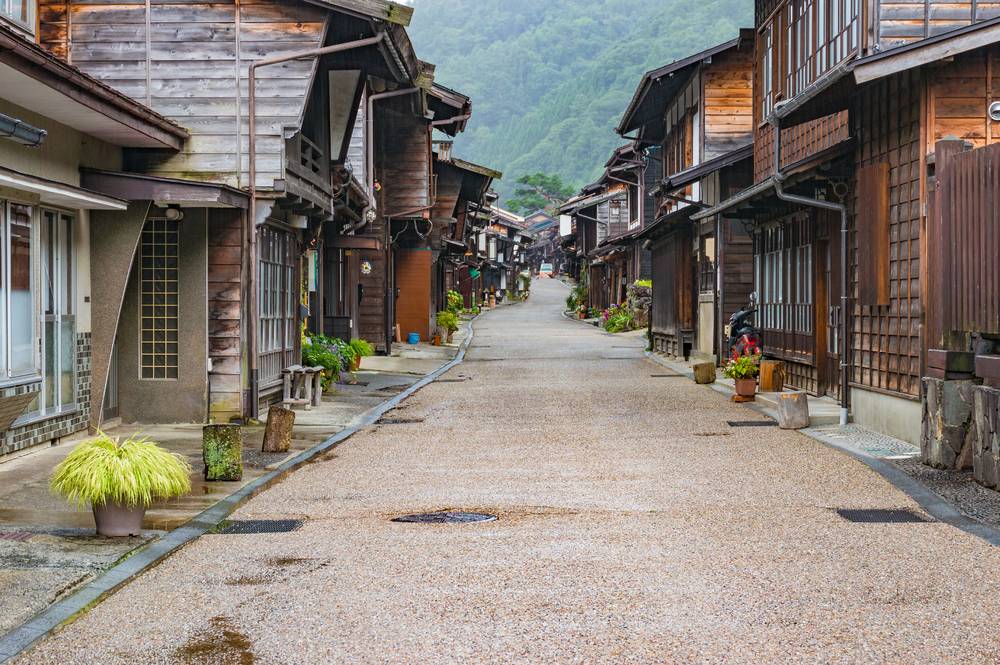
- Kiso Valley: Offers post towns like Tsumago and Magome along the historic Nakasendo route, where travelers once journeyed between Edo (Tokyo) and Kyoto.
The authenticity of these towns lies in their preservation of daily life, not just architecture. Artisans, farmers, and shopkeepers continue practices that have been honed over centuries.
3. Latin American Villages
In South and Central America, villages built during colonial times still retain their original charm. Many are painted in vibrant colors and situated in dramatic natural landscapes:
- Colonia del Sacramento, Uruguay: Cobblestone streets, colonial houses, and a picturesque lighthouse evoke the 17th century.
- Villa de Leyva, Colombia: The enormous central plaza and stone buildings make it feel like stepping into a bygone era.
- San Miguel de Allende, Mexico: Colonial architecture, colorful facades, and cobbled streets blend with local traditions and artisan crafts.
These villages highlight the interplay between European colonial influence and indigenous culture, producing a unique aesthetic frozen in historical richness.
4. Remote Mountain and Coastal Villages
Isolation has helped some villages resist modern influences. High in the mountains or perched on rugged coasts, these villages retain both architecture and traditional lifestyles:
- Albarracín, Spain: Surrounded by medieval walls and dramatic cliffs, life here is slow and scenic.
- Giethoorn, Netherlands: A canal village where boats replace cars, creating a serene, timeless waterway life.
- Reine, Norway: A fishing village in the Lofoten Islands with wooden rorbu cabins and dramatic fjord views.
The geography often dictates the lifestyle, preserving a rhythm that’s increasingly rare elsewhere.
Why Some Villages Remain “Frozen”
Several factors contribute to a village appearing frozen in time:
Preservation Policies and Heritage Programs
Governments and organizations worldwide recognize the cultural and economic value of preserving historic villages. UNESCO World Heritage status, local conservation laws, and cultural grants help maintain traditional architecture and practices.
Economic Factors
Ironically, some villages remain untouched because they are economically isolated. Limited access, challenging terrain, or small populations prevent large-scale development. While this can limit modern conveniences, it also preserves the original character.
Cultural Pride
Communities that value their history actively resist modernization that could erode their identity. Local festivals, artisanal crafts, and culinary traditions are celebrated and passed down, keeping history alive in daily life.
Experiencing a Village Frozen in Time
Visiting such a village is more than sightseeing. It’s a chance to engage with history, culture, and human connection in a way that modern cities often don’t allow.

1. Walking Tours and Storytelling
Guided or self-guided walks let visitors appreciate architectural details and learn stories of residents from past centuries. Even simple activities—like crossing an old stone bridge or visiting a centuries-old bakery—become memorable experiences.
2. Participating in Traditions
Some villages welcome visitors to join in local customs, whether it’s a harvest festival, a tea ceremony, or a folk music performance. Participation transforms a passive visit into an immersive experience.
3. Exploring Nature
Many timeless villages are gateways to stunning landscapes. Hiking trails, lake walks, and mountain paths allow travelers to connect with both history and nature simultaneously.
4. Sampling Local Cuisine
Food often embodies history. Recipes passed down for generations, using local ingredients and traditional cooking methods, allow visitors to taste the heritage of a village in each bite.
Challenges of Preservation
Maintaining villages frozen in time isn’t without difficulty:
- Tourism Pressure: Popular villages can become overcrowded, leading to commercialization that erodes authenticity.
- Aging Populations: Many villages struggle with declining, aging populations, making it hard to sustain traditional practices.
- Climate Change: Rising temperatures, floods, or landslides threaten centuries-old buildings and landscapes.
Successful preservation requires a delicate balance between welcoming visitors and protecting heritage.
The Psychology of Timeless Villages
Why are we so drawn to these villages? Psychologists suggest that humans are naturally attracted to places that offer a sense of continuity and stability. Timeless villages provide a respite from rapid change, offering a mental and emotional anchor. Walking through them can evoke nostalgia, even for a past we never personally experienced.
The aesthetic beauty of harmonious architecture, natural landscapes, and slow rhythms also stimulates a sense of well-being, reducing stress and enhancing creativity. In a world dominated by screens, notifications, and constant movement, these villages provide a rare space for reflection.
Planning Your Journey
If you want to discover a village frozen in time:
- Research: Look for heritage lists, UNESCO sites, and travel blogs.
- Choose Off-Peak Seasons: Experience serenity and avoid crowds.
- Respect Local Life: Observe traditions, avoid disturbing residents, and support local businesses.
- Stay Longer: Even a few days allow you to absorb the rhythm and culture.
- Bring Curiosity: Ask questions, explore alleys, and embrace small details.
The reward is a journey that feels both personal and historical—a chance to step outside the modern rush and inhabit a world preserved through centuries.
Conclusion
The concept of a village frozen in time is more than nostalgia; it’s a celebration of human creativity, cultural continuity, and harmonious living. These villages remind us that while the modern world accelerates forward, there are pockets where history, architecture, and tradition continue to thrive.
Stepping into one is like entering a living story, where every corner offers a fragment of the past, and every moment invites contemplation. Whether perched in the European hills, nestled in Japanese valleys, or hugging the coastlines of Latin America, these villages offer travelers a rare gift: the chance to experience time itself in suspended beauty.
So, is there a village frozen in time waiting for you? Perhaps it’s closer than you think, patiently standing between history and today, ready to share its stories if you take the time to wander its quiet streets.